
Posted by TJ Hopkins on Apr 21st 2026
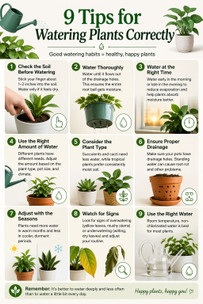
9 Tips for Watering Plants Correctly
Watering your plants might seem simple, but doing it the right way can make the difference between thriving greenery and struggling, wilted leaves. Whether you're caring for houseplants, garden vegetables, or flowers, proper watering habits are essential for healthy growth.
Here are 9 practical tips to help you water your plants the right way.
1. Check the Soil Before Watering
Before reaching for the watering can, test the soil. Stick your finger about 1–2 inches into the soil. If it feels dry, it’s time to water. If it still feels moist, wait a bit longer. Overwatering is one of the most common mistakes plant owners make.
2. Water Thoroughly
When you do water, do it deeply. Water until it starts draining out of the bottom of the pot. This ensures the entire root system gets moisture—not just the surface.
3. Water at the Right Time
The best time to water plants is early in the morning or later in the evening. This reduces evaporation and allows plants to absorb water more effectively, especially during hot weather.
4. Use the Right Amount of Water
Different plants have different needs. A small herb plant won’t need as much water as a large tomato plant. Adjust your watering based on:
- Plant type
- Pot size
- Weather conditions
- Soil type
5. Consider the Plant Type
Not all plants like the same conditions.
- Succulents and cacti prefer dry soil and minimal watering
- Tropical plants thrive in consistently moist soil
Knowing your plant type helps prevent overwatering or underwatering.
6. Ensure Proper Drainage
Always use pots with drainage holes. Standing water can lead to root rot, mold, and other problems. If water can’t escape, your plant’s roots can suffocate.
7. Adjust with the Seasons
Plants need more water during active growing seasons (spring and summer) and less during fall and winter when growth slows down. Pay attention to seasonal changes and adjust your routine.
8. Watch for Signs of Stress
Your plants will tell you when something’s wrong:
- Overwatering: yellow leaves, soft stems, moldy soil
- Underwatering: wilting, dry or crispy leaves
Use these signals to fine-tune your watering schedule.
9. Use the Right Water
Room temperature water is best. If possible, avoid heavily chlorinated water. Letting tap water sit out for 24 hours can help reduce chlorine levels.
Final Tip: Water Deeply, Not Frequently
It’s better to water your plants thoroughly and less often than to give them small amounts of water every day. Deep watering encourages strong root growth and healthier plants overall.
Happy Plants, Happy You
With the right watering habits, your plants will grow stronger, look better, and last longer. A little attention goes a long way—so take your time, observe your plants, and adjust as needed.