
Posted by TJ Hopkins on Sep 6th 2026
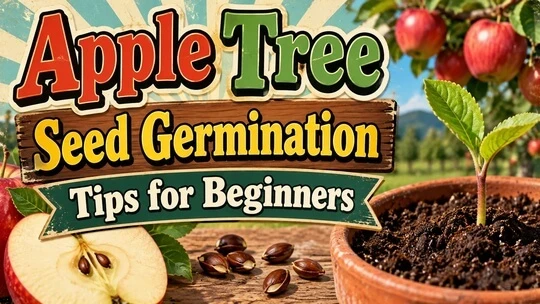
Apple Tree Seed Germination Tips for Beginners
Growing an apple tree from seed is a fun and rewarding gardening project. It allows you to watch the entire life cycle of a tree, beginning with a small seed taken from an apple.
Apple seeds require a period of cold, moist conditions before they can germinate. This process is called cold stratification. With proper preparation, patience, and care, beginners can successfully sprout apple seeds at home.
Will Apple Seeds Grow Into Apple Trees?
Yes, viable apple seeds can grow into apple trees. However, a seed-grown tree will not usually produce apples identical to the fruit from which the seed was collected.
Most apple varieties are created through cross-pollination. Every seed contains a unique combination of characteristics from two parent trees. A seed from a sweet red apple might eventually produce fruit with a different color, flavor, size, or texture.
Seed-grown apple trees are excellent for educational projects, ornamental planting, wildlife habitat, experimentation, and use as potential rootstock. The surprise of discovering what kind of fruit the mature tree produces is also part of the fun.
Collecting Apple Seeds
Begin with seeds taken from a ripe, healthy apple. Apples from local orchards or farmers markets may provide seeds that are better adapted to your regional climate, although store-bought apples can also contain viable seeds.
Cut the apple open carefully and remove several undamaged seeds. Healthy mature apple seeds are generally dark brown rather than pale or white.
Collect more seeds than the number of trees you want to grow because some seeds may not germinate.
Cleaning the Seeds
Rinse the seeds with clean water to remove any remaining fruit pulp or juice. Apple residue can encourage mold to develop while the seeds are being stratified.
After rinsing, place the seeds on a paper towel and allow their surfaces to dry. They do not need to become completely dried out before the next step.
How to Cold-Stratify Apple Seeds
Cold stratification recreates the cool, damp conditions that apple seeds experience outdoors during winter. Most apple seeds need approximately 60 to 90 days of cold stratification before planting.
Follow these steps:
- Moisten a clean paper towel with water. It should feel damp but should not be dripping wet.
- Place the apple seeds on one half of the paper towel.
- Fold the other half over the seeds.
- Put the folded paper towel inside a resealable plastic bag or covered container.
- Label the container with the seed type and starting date.
- Place it in the refrigerator at approximately 34°F to 41°F.
- Check the seeds every one to two weeks for moisture, mold, or early sprouting.
Keep the paper towel slightly damp throughout the stratification period. If it begins to dry, add a small amount of water. Too much moisture can reduce airflow and encourage mold.
Do not place the seeds in the freezer. Freezing can damage seeds that have not been prepared for extremely low temperatures.
Preventing Mold During Stratification
Clean seeds, fresh paper towels, and moderate moisture will help prevent mold. Avoid sealing excessively wet seeds inside the bag.
If a small amount of mold appears, gently rinse the affected seeds and replace the paper towel with a clean, damp one. Discard any seeds that become soft, severely discolored, or rotten.
Opening the container briefly during regular inspections can also introduce fresh air.
When Are Apple Seeds Ready to Plant?
Apple seeds may be ready for planting after completing approximately 60 to 90 days of cold treatment. Some seeds will crack open and produce a small white root while they are still in the refrigerator.
Handle sprouted seeds carefully. The emerging root is fragile and can be damaged easily.
Seeds that have not visibly sprouted may still be planted after completing their cold-stratification period. Germination times naturally vary between individual seeds.
Planting Stratified Apple Seeds
Fill small pots or seed-starting containers with a clean, well-draining seed-starting mix. Containers should have drainage holes to prevent water from collecting around the seeds.
Plant each seed approximately ½ inch deep and cover it lightly with the growing mix. If a root has already emerged, carefully position the root downward.
Water gently until the soil is evenly moist. Place the containers in a warm, bright location. A temperature of approximately 65°F to 75°F is suitable for germination.
Light and Water Requirements
Keep the soil consistently moist but never waterlogged. Check the containers regularly and water when the surface begins to feel slightly dry.
Once seedlings appear, provide plenty of bright light. A sunny window may work, but seedlings can become thin and stretched if the light is insufficient. A grow light placed above the seedlings can encourage compact, sturdy growth.
If using a humidity dome, remove it or begin providing additional ventilation once the seedlings emerge. Constantly high humidity can contribute to fungal problems.
How Long Do Apple Seeds Take to Germinate?
After cold stratification, apple seeds may germinate within approximately one to four weeks. Some seeds can take longer, particularly if their cold treatment was incomplete or their growing conditions fluctuate.
Do not discard an unsprouted seed too quickly. Continue providing warmth and moderate moisture for several additional weeks.
Caring for Young Apple Seedlings
When the seedlings develop several true leaves, begin feeding them with a diluted, balanced fertilizer if the seed-starting mix contains little nutrition. Avoid applying strong fertilizer to very young plants.
Seedlings growing close together should be transplanted into separate pots. Handle each seedling by its leaves or surrounding soil instead of pulling on the delicate stem.
Rotate indoor containers every few days so the seedlings receive light evenly. Good airflow can strengthen young growth and reduce fungal issues.
Moving Apple Seedlings Outdoors
Apple seedlings grown indoors must gradually adjust to outdoor conditions. This process is called hardening off.
After the danger of severe frost has passed, place the seedlings outdoors in a protected, shaded location for a short period. Gradually increase their exposure to sunlight, wind, and outdoor temperatures over seven to fourteen days.
Avoid immediately placing tender indoor seedlings in full sun. Sudden exposure can scorch their leaves.
Choosing a Planting Location
Apple trees perform best in a location receiving at least six to eight hours of direct sunlight per day. Choose an area with fertile, well-draining soil and adequate space for the tree’s mature size.
Avoid low areas where water remains after rain. Apple roots need moisture, but consistently saturated soil can cause root problems.
When transplanting, position the seedling at approximately the same depth at which it was growing in its container. Water thoroughly after planting and add mulch around the tree to conserve moisture. Keep mulch several inches away from the trunk.
How Long Until a Seed-Grown Apple Tree Produces Fruit?
Apple trees grown from seed may require approximately six to ten years, and sometimes longer, before producing fruit. Their eventual height, growth habit, disease resistance, and fruit quality can be difficult to predict.
Commercial apple trees are usually grafted because grafting preserves the characteristics of a known variety and often produces fruit sooner. Growing from seed is a slower and more experimental process.
Common Apple Seed Germination Mistakes
Beginners can improve their results by avoiding these common mistakes:
- Skipping the cold-stratification period
- Allowing the paper towel or soil to dry completely
- Keeping the seeds excessively wet
- Using containers without drainage holes
- Planting seeds too deeply
- Providing too little light after germination
- Moving indoor seedlings directly into strong sunlight
- Expecting the new tree to produce the same apples as its parent
Final Thoughts
Germinating apple seeds requires patience, but the process itself is relatively simple. Clean the seeds, provide 60 to 90 days of cold and moist conditions, plant them in well-draining soil, and give the young seedlings plenty of light.
Every seed-grown apple tree is genetically unique. Although its future fruit cannot be predicted, raising a tree from a tiny seed can be an enjoyable gardening experience for beginners of all ages.