
Posted by TJ Hopkins on Jul 13th 2026
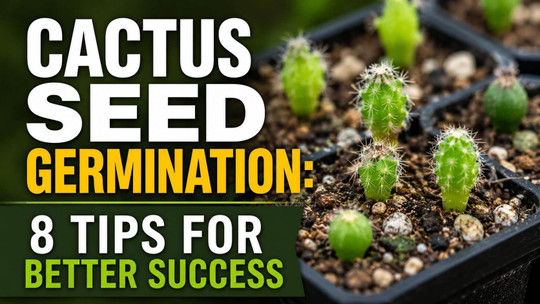
Cactus Seed Germination: 8 Tips for Better Success
Growing cacti from seed is a rewarding way to produce unique plants while watching their development from the earliest stages. Although cactus seeds are often tiny and slow-growing, they can germinate successfully when provided with warmth, moisture, light, and a clean growing environment.
Unlike many common garden plants, young cactus seedlings are delicate and may need consistent humidity for several months. The key is creating stable conditions without allowing the growing medium to become waterlogged.
Use these eight cactus seed germination tips to improve your results and grow healthy seedlings.
1. Start With Fresh, High-Quality Cactus Seeds
Seed quality can have a major effect on germination. Fresh cactus seeds generally have a better chance of sprouting than seeds that have been stored improperly or exposed to excessive heat and moisture.
Purchase seeds from a reliable source and check the seed packet for any species-specific germination instructions. Some cactus species germinate quickly, while others may take several weeks or longer.
Because cactus seeds are often extremely small, handle them carefully. Opening the packet over a clean sheet of white paper can make the seeds easier to see and prevent them from being lost.
2. Use a Fine, Well-Draining Growing Mix
Cactus seedlings need a growing medium that holds some moisture while allowing excess water to drain freely. Heavy garden soil may remain wet for too long and can increase the risk of mold, algae, and seedling rot.
A suitable cactus seed-starting mix may include:
- 50% fine seed-starting soil or finely screened potting mix
- 50% perlite, pumice, or fine horticultural sand
Mix the ingredients thoroughly and remove large pieces of bark, wood, or other debris. The surface should be relatively smooth so the tiny seeds remain in contact with the growing medium.
Moisten the mixture before sowing. It should feel evenly damp but should not release excess water when gently squeezed.
3. Use Clean Containers and Growing Materials
Young cactus seedlings can be vulnerable to fungal problems. Starting with clean containers and fresh growing medium may help reduce contamination.
Wash previously used pots or seed trays before planting. Containers should have drainage holes to prevent water from collecting around the roots.
You can also moisten the growing medium with hot water before planting and allow it to cool completely. This may help reduce certain unwanted organisms. Avoid planting seeds until the mixture has returned to room temperature.
4. Sow Cactus Seeds on the Surface
Most cactus seeds should be planted directly on the surface of the growing medium. Since many species benefit from light during germination, avoid burying the seeds deeply.
Sprinkle the seeds as evenly as possible across the surface. For very small seeds, gently tap the packet or use a folded piece of paper to distribute them.
Press the seeds lightly against the soil without covering them. Larger cactus seeds may be covered with an extremely thin layer of fine sand, but always follow the instructions for the particular species you are growing.
Leave some space between seeds when possible. Crowded seedlings may have reduced airflow and can be more difficult to transplant later.
5. Maintain Consistent Humidity
Consistent moisture is especially important during cactus seed germination. Even though mature cacti tolerate dry conditions, newly germinated seedlings should not be allowed to dry out.
Place a clear humidity dome over the seed tray or place the container inside a clear plastic bag. This creates a humid environment and reduces moisture loss.
Check the growing medium regularly. It should remain lightly moist but never soggy. If additional water is needed, use a fine mist sprayer or add water carefully from the bottom of the container.
Avoid heavy overhead watering because it may wash tiny seeds away or bury them too deeply.
6. Provide Warm Temperatures
Warm soil temperatures can encourage faster and more consistent germination. Many cactus species germinate well when daytime temperatures remain between approximately 70°F and 85°F.
A seedling heat mat may be helpful in cool rooms. Use a thermostat when possible to prevent the growing medium from becoming excessively hot.
Some cactus species may benefit from slightly cooler nighttime temperatures. This natural temperature change can resemble conditions found in their native environments.
Always research the individual cactus species because ideal germination temperatures can vary.
7. Give Seedlings Bright, Indirect Light
Cactus seeds and young seedlings need light, but intense direct sunlight can quickly overheat a covered container and damage delicate growth.
Place the seed tray near a bright window that receives filtered light. A grow light can also provide consistent illumination.
If using grow lights, position them according to the manufacturer’s recommendations. Watch the seedlings carefully:
- Tall, thin, or stretched seedlings may need more light.
- Pale, yellow, or reddish seedlings may be receiving excessive light or experiencing stress.
- Healthy seedlings are generally compact and gradually develop their natural green color.
Increase light exposure slowly as the seedlings mature.
8. Be Patient and Acclimate Seedlings Gradually
Cactus germination times vary widely. Some seeds may begin sprouting within one or two weeks, while others may take several weeks or months.
Do not discard the growing container simply because germination is uneven. Continue providing stable warmth, moisture, and light as long as the growing medium remains healthy and free from serious mold problems.
After the seedlings are established, gradually introduce fresh air by opening the humidity dome for short periods. Increase ventilation over several days or weeks rather than removing the cover suddenly.
Young cactus seedlings should also be introduced to drier conditions gradually. Allowing the growing medium to dry too quickly may damage their small root systems.
Common Cactus Seed Germination Problems
Mold on the Growing Medium
Small amounts of surface mold may develop when humidity is high. Increase ventilation slightly and remove heavily affected material when possible.
Avoid overwatering and make sure the growing medium drains properly.
Green Algae on the Soil
Algae usually develops when the surface remains continuously wet and receives strong light. Although a small amount may not immediately harm seedlings, heavy growth can interfere with airflow and compete for space.
Reducing excess moisture and gradually increasing ventilation may help.
Seeds Are Not Germinating
Poor germination may result from old seeds, temperatures that are too cool, inconsistent moisture, excessive planting depth, or species-specific dormancy requirements.
Continue providing suitable conditions before assuming the seeds are no longer viable. Some cactus species naturally germinate slowly and unevenly.
Seedlings Are Turning Brown or Collapsing
Seedling collapse may be caused by excessive moisture, fungal disease, poor airflow, overheating, or sudden exposure to intense sunlight.
Remove severely affected seedlings and adjust the growing conditions to protect healthy plants.
How Long Do Cactus Seeds Take to Germinate?
Many cactus seeds begin germinating within approximately 7 to 30 days under favorable conditions. However, germination time depends on the cactus species, seed freshness, temperature, moisture, and light.
Some seeds may take several months to sprout. Uneven germination is normal, even when all seeds come from the same packet.
When Should Cactus Seedlings Be Transplanted?
Avoid transplanting cactus seedlings too early. Young seedlings are extremely small and have delicate root systems.
Many growers leave seedlings in their original container for six months to a year or longer. Transplant when the plants are large enough to handle safely, have developed visible spines or mature growth, and are beginning to crowd one another.
Use small containers with drainage holes and a well-draining cactus growing mix. Handle the roots carefully and avoid exposing newly transplanted seedlings to intense sunlight.
Final Thoughts
Growing cacti from seed requires patience, but creating the right environment can greatly improve germination success. Use a fine, well-draining growing medium, sow seeds near the surface, maintain consistent humidity, provide warm temperatures, and protect young seedlings from intense sunlight.
Remember that cactus seedlings have different needs than mature plants. Keep them lightly moist during their early growth and gradually introduce more airflow, stronger light, and drier conditions as they become established.
With proper care and time, tiny cactus seeds can develop into healthy, long-lived plants that may continue growing for decades.