
Posted by TJ Hopkins on Oct 22nd 2026
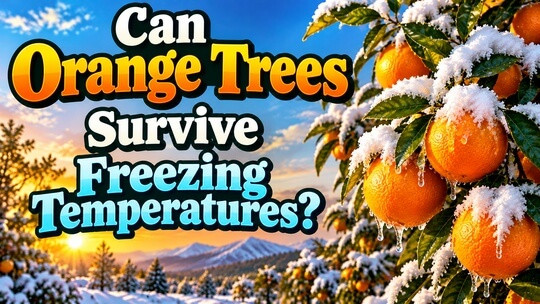
Can Orange Trees Survive Freezing Temperatures?
Orange trees are known for their bright, juicy fruit, glossy green leaves, and ability to thrive in warm, sunny climates. But what happens when winter arrives and temperatures drop below freezing? Can orange trees survive freezing temperatures, or will cold weather permanently damage them?
The answer depends on several factors, including the variety of orange tree, its age, overall health, how cold the temperature gets, and how long the freezing conditions last. While orange trees are not naturally suited for extremely cold climates, some established trees can survive brief periods of freezing weather with proper protection.
Understanding how cold affects orange trees can help gardeners protect their citrus trees, prevent frost damage, and successfully grow oranges in regions that experience occasional winter freezes.
How Cold Can Orange Trees Tolerate?
Most sweet orange trees (Citrus × sinensis) grow best in warm climates where temperatures rarely fall below freezing. Although mature trees can tolerate brief exposure to temperatures around 28°F, prolonged freezing conditions can cause serious damage.
The severity of cold damage depends on how quickly temperatures fall, how long they remain below freezing, and whether the tree has gradually adapted to cooler weather.
General Temperature Guidelines for Orange Trees:
-
40°F to 50°F: Orange trees generally tolerate these temperatures, although growth slows considerably.
-
32°F: Freezing conditions begin, and frost may become a concern, especially for tender new growth.
-
28°F to 32°F: Young leaves, blossoms, developing fruit, and tender branches may suffer damage.
-
25°F to 28°F: Significant damage to foliage, fruit, and smaller branches becomes increasingly likely.
-
20°F to 25°F: Severe damage may occur, particularly to young trees and exposed branches.
-
Below 20°F: Major damage or death becomes increasingly likely, especially during prolonged freezes.
These temperature ranges are approximate. A healthy, mature orange tree may survive a short freeze that would seriously damage a newly planted tree.
Can Orange Trees Survive Temperatures Below 32°F?
Yes, orange trees can survive temperatures below 32°F, particularly when freezing conditions last only a few hours.
A brief overnight frost does not necessarily kill an established orange tree. In fact, mature trees growing in favorable locations may recover from minor leaf damage without long-term problems.
However, extended periods of freezing temperatures are much more dangerous. When temperatures remain below freezing for several hours, ice formation within plant tissues can damage cells, branches, leaves, and fruit.
Orange trees growing in containers, newly planted trees, and trees experiencing drought or other stress are generally more vulnerable to freezing conditions.
What Happens When Orange Trees Freeze?
Freezing temperatures can damage orange trees in several ways. The severity of the damage depends on the temperature, duration of exposure, and condition of the tree.
Leaf Damage
One of the earliest signs of freezing injury is damage to the leaves. Leaves may curl, wilt, develop brown patches, or become dry and brittle after exposure to freezing temperatures.
In some cases, damaged leaves remain attached for several weeks before falling from the tree.
Branch Damage
When temperatures drop significantly below freezing, small branches and tender shoots may suffer damage. Severely injured branches may eventually turn brown, dry out, and die.
Fruit Damage
Oranges are especially vulnerable to freezing conditions. Cold temperatures can damage the internal fruit tissues, affecting flavor, texture, and storage quality.
Fruit may initially appear normal on the outside even when freezing has damaged the inside.
Trunk Damage
Severe freezes can injure the bark and underlying tissues of orange trees. Young trees with thin bark are especially susceptible.
Damage to the trunk can interfere with the movement of water and nutrients throughout the tree.
Which Orange Trees Are the Most Cold Hardy?
Not all orange varieties have the same tolerance for cold weather. Some varieties perform better in areas that experience occasional frost, although no common sweet orange variety is reliably hardy through severe northern winters.
1. Hamlin Orange
Hamlin orange trees are widely grown for their sweet fruit and relatively early harvest season. They are sometimes considered a practical choice for areas with occasional light freezes.
Like other sweet oranges, Hamlin trees still require protection during significant cold weather.
2. Valencia Orange
Valencia oranges are popular for their excellent juice quality and sweet flavor. Mature Valencia trees can tolerate brief periods of mild freezing temperatures, but prolonged cold can damage their foliage and fruit.
Because Valencia oranges often remain on the tree for an extended period, winter freezes can be particularly concerning.
3. Navel Orange
Navel oranges are known for their sweet, seedless fruit and easy peeling. These trees grow best in warm climates and can experience damage when exposed to freezing temperatures.
Established Navel orange trees may survive brief light freezes, but they should be protected when colder conditions are expected.
4. Blood Orange
Blood orange trees produce distinctive fruit with reddish flesh and a rich, sweet flavor. Cooler weather can help develop their characteristic pigmentation, but freezing temperatures can still damage the trees.
Blood oranges should not be considered substantially more cold hardy than ordinary sweet oranges.
5. Trifoliate Orange
Trifoliate orange (Poncirus trifoliata) is significantly more cold hardy than true sweet orange trees. Established plants can survive winter temperatures well below freezing, sometimes approaching -10°F to -20°F under favorable conditions.
However, trifoliate orange is a different species, and its extremely sour, bitter fruit is not comparable to the sweet oranges commonly sold in grocery stores.
Trifoliate orange is often used as a rootstock for citrus trees because of its cold tolerance and other desirable growing characteristics.
How to Protect Orange Trees from Freezing Temperatures
Protecting orange trees before freezing weather arrives can significantly reduce the risk of winter damage.
1. Cover Orange Trees Before a Freeze
Frost blankets, horticultural fleece, and breathable fabric can help protect orange trees from freezing temperatures.
For the best protection, drape the material over the tree and extend it to the ground to help trap warmth rising from the soil.
Avoid placing plastic directly against the leaves because it can contribute to cold injury where it touches the foliage.
Remove or ventilate coverings when temperatures warm to prevent overheating.
2. Water the Soil Before Freezing Weather
Moist soil generally stores and releases more heat than extremely dry soil.
Watering the ground before an expected freeze can help moderate temperature changes around the root zone.
However, avoid overwatering or leaving the soil waterlogged, particularly when temperatures are already freezing.
3. Apply Mulch Around the Roots
A layer of organic mulch can help insulate the soil and reduce sudden temperature fluctuations around the roots.
Pine bark, wood chips, and shredded leaves are suitable materials.
Spread approximately 2 to 4 inches of mulch around the root zone, keeping it several inches away from the trunk to reduce the risk of moisture-related problems.
4. Move Potted Orange Trees Indoors
Container-grown orange trees are easier to protect because they can be moved indoors when freezing weather approaches.
Place potted orange trees near a bright window or under a suitable grow light where they receive adequate sunlight.
An enclosed porch, greenhouse, or other protected location may also work if temperatures remain safely above freezing.
5. Protect Young Orange Trees
Young orange trees are particularly vulnerable to cold damage because their trunks and branches have not fully matured.
Use frost cloth, temporary protective structures, or appropriate trunk protection to reduce exposure to freezing temperatures.
Trees planted near south-facing walls may benefit from additional warmth, although this does not eliminate the risk of severe freeze damage.
Can Orange Trees Grow in Northern States?
Orange trees can be grown in northern states, but they generally cannot survive outdoors year-round in areas with harsh winters.
States such as Vermont, New Hampshire, Maine, Minnesota, Wisconsin, and Michigan regularly experience winter temperatures far below the tolerance of sweet orange trees.
Gardeners in these regions can still grow orange trees successfully by using containers and bringing them indoors during the colder months.
Dwarf orange trees are especially suitable for container gardening because their smaller size makes them easier to move and maintain.
During summer, container-grown orange trees can be placed outdoors in a sunny location. When nighttime temperatures begin approaching freezing, they should be moved to a protected indoor environment.
With sufficient sunlight, proper watering, and suitable growing conditions, container-grown orange trees can remain healthy for many years.
Can You Grow Orange Trees from Seeds?
Yes, orange trees can be grown from seeds, making them an interesting project for gardeners who enjoy growing fruit trees from the beginning.
Orange seeds typically germinate best in warm, moist conditions.
Basic Steps for Growing Orange Trees from Seeds:
-
Remove seeds from a fresh, ripe orange.
-
Rinse the seeds thoroughly to remove any remaining fruit pulp.
-
Plant the seeds approximately 1/2 inch deep in a well-draining seed-starting mix.
-
Keep the soil consistently moist but not waterlogged.
-
Maintain temperatures around 70°F to 85°F to encourage germination.
-
Place seedlings in a bright location once they emerge.
-
Transplant seedlings into larger containers as their root systems develop.
Fresh orange seeds may germinate within two to six weeks under favorable conditions, although germination times vary.
Orange trees grown from seeds can take several years to produce fruit, and the resulting fruit may not be identical to the parent orange.
For gardeners living in cold climates, starting orange seeds indoors provides greater control over growing conditions and helps protect young seedlings from freezing temperatures.
How Long Does It Take an Orange Tree to Recover from Freeze Damage?
Recovery from freezing temperatures depends on the extent of the damage.
Orange trees exposed to mild frost may recover within several weeks once warmer weather returns. Trees suffering more extensive branch damage may require an entire growing season or longer to recover.
Some trees may appear dead immediately after a severe freeze but later produce new growth from surviving branches or the trunk.
Signs an Orange Tree May Recover:
-
Branches remain flexible rather than dry and brittle.
-
Scratching a small area of bark reveals green, living tissue.
-
New buds begin developing as temperatures warm.
-
Healthy shoots emerge from surviving branches.
-
The trunk remains firm without extensive bark damage.
Avoid immediately removing all damaged branches after a freeze. Waiting until new growth appears makes it easier to identify which sections are still alive.
If new shoots emerge from below the graft union, they may belong to the rootstock rather than the original orange variety.
Should You Prune Orange Trees After a Freeze?
Pruning immediately after freezing weather is generally not recommended.
Cold-damaged branches may look dead even when some internal tissues remain alive. Removing branches too early can eliminate sections that might otherwise recover.
Wait until spring growth begins and the risk of additional freezes has passed before performing major corrective pruning.
Once healthy new growth becomes visible, remove dead branches using clean, sharp pruning tools.
Avoid heavy fertilization immediately after a freeze because damaged trees may not be capable of using additional nutrients effectively.
Allow the tree to recover naturally before encouraging vigorous new growth.
What USDA Growing Zones Are Best for Orange Trees?
Sweet orange trees are generally best suited to USDA Hardiness Zones 9 through 11, depending on the variety and local growing conditions.
USDA Zone 9: Orange trees can grow successfully in many locations, although occasional winter freezes may require protective measures.
USDA Zone 10: Generally provides favorable conditions for growing orange trees, with fewer freezing events.
USDA Zone 11: Offers warm conditions that are typically well suited for citrus cultivation.
USDA Zones 8 and Below: Growing sweet oranges outdoors year-round becomes increasingly risky. Container gardening, greenhouses, and other protected growing environments are generally better options.
USDA Hardiness Zones are based on average annual extreme minimum temperatures. They do not guarantee that an orange tree will survive every winter, particularly when unusual cold events occur.
Can Orange Trees Survive Snow?
Orange trees can sometimes survive brief snowfall, especially when air temperatures remain close to freezing and the snow melts quickly.
Snow itself is not necessarily the greatest danger. The more serious concern is prolonged exposure to low temperatures.
A light snowfall accompanied by temperatures around 30°F may cause little damage to a mature, protected tree.
However, heavy snow can break branches, and extremely cold temperatures can damage the tree's living tissues.
Orange trees are not adapted to the prolonged snow cover and subfreezing temperatures commonly experienced in northern climates.
For this reason, snow-covered orange trees should not be assumed to be cold hardy simply because they survive one winter storm.
Frequently Asked Questions About Orange Trees and Freezing Weather
Will an orange tree die at 32°F?
Not necessarily. A healthy, mature orange tree can often survive brief exposure to 32°F without serious damage. Longer freezes and lower temperatures create greater risks.
Can orange trees survive 25°F?
Some established orange trees may survive a short period at 25°F, but significant damage to leaves, fruit, and branches is possible. Young trees are especially vulnerable.
Can orange trees survive 20°F?
Temperatures around 20°F can cause severe damage or kill sweet orange trees, particularly when freezing conditions persist for several hours.
Can a frozen orange tree come back to life?
Yes. Orange trees with surviving roots, trunks, or branches may produce new growth when warmer weather returns. Recovery depends on the severity of the freeze.
Should I cover my orange tree when temperatures reach 30°F?
Yes. Covering orange trees before temperatures reach 30°F is a sensible precaution, particularly for young trees, container-grown plants, and trees carrying fruit.
Can orange trees grow indoors during winter?
Yes. Orange trees can grow indoors during winter when provided with sufficient sunlight, suitable temperatures, good drainage, and appropriate watering. Dwarf varieties are especially practical for indoor growing.
Final Thoughts: Can Orange Trees Survive Freezing Temperatures?
Orange trees can survive brief periods of freezing temperatures, but they are not naturally adapted to extremely cold winters. Most established sweet orange trees can tolerate occasional light frost, while prolonged temperatures below approximately 28°F increase the risk of serious damage.
The best way to protect orange trees is to prepare before freezing weather arrives. Frost blankets, proper watering, root-zone mulch, and protected growing locations can all help reduce cold-related damage.
Gardeners in northern states can still enjoy growing orange trees by planting them in containers and moving them indoors during winter.
Whether you are growing orange trees from seeds, maintaining a mature citrus tree, or experimenting with container gardening, understanding their cold tolerance is essential for long-term success.
With the right care and winter protection, orange trees can remain healthy and productive even in locations where occasional freezing temperatures occur.