
Posted by TJ Hopkins on Sep 12th 2026
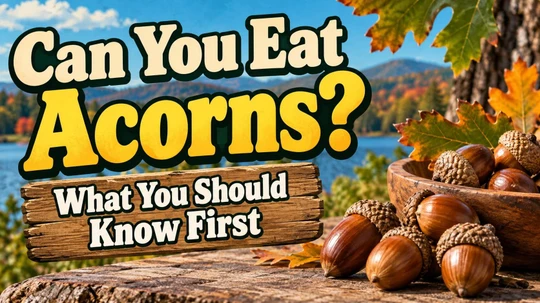
Can You Eat Acorns? What You Should Know First
Acorns are best known as the nuts that squirrels gather beneath oak trees, but people have also used them as food for thousands of years. When correctly identified and carefully prepared, acorns can be ground into flour, added to baked goods, made into porridge, or roasted for use in other recipes.
However, acorns should not be eaten raw or directly from the ground. They naturally contain bitter compounds called tannins that must be removed before the nuts are suitable for eating.
Are Acorns Edible?
Yes, acorns from true oak trees can generally be eaten after proper preparation. Oaks belong to the Quercus genus and produce many different kinds of acorns. Their size, shape, flavor, and tannin content vary depending on the oak species.
Acorns from white oak species often contain fewer tannins and may taste milder. Red and black oak acorns frequently contain more tannins, so they may require additional soaking or boiling.
Even low-tannin acorns must be processed before they are eaten.
Why Shouldn’t You Eat Raw Acorns?
Raw acorns contain tannins that give them an extremely bitter, dry, and unpleasant taste. Consuming a large quantity of unprocessed acorns may cause stomach irritation, nausea, constipation, or other digestive problems.
Tannins are water-soluble, which means much of their bitterness can be removed through repeated soaking or boiling. This process is commonly called leaching.
Never assume that an acorn is ready to eat simply because it does not taste extremely bitter. Proper identification and preparation remain important.
Identify the Tree First
Only gather acorns when you are certain they came from an oak tree. An acorn typically has a smooth or slightly textured nut attached to, or separated from, a scaly cup-shaped cap.
Oak leaves may have rounded or pointed lobes, although leaf shapes differ considerably among species. Examine the leaves, bark, buds, and acorns before identifying a tree.
Avoid gathering nuts when you cannot confidently identify the tree. A local tree guide, forester, extension office, or experienced forager can help confirm the species.
Choose Fresh, Healthy Acorns
Collect mature acorns that have naturally fallen from healthy trees. Good acorns usually feel firm and heavy for their size.
Avoid acorns that are:
- Moldy, blackened, or unusually discolored
- Soft, shriveled, or badly cracked
- Damaged by insects
- Covered with an unpleasant-smelling substance
- Collected near treated lawns, polluted roadsides, or contaminated soil
A small round hole in the shell often indicates that an acorn weevil larva has been feeding inside the nut.
You can place acorns in a bowl of water as an initial sorting method. Many damaged or hollow acorns will float, while sound acorns often sink. The float test is helpful but not perfect, so every nut should still be inspected after shelling.
How to Prepare Acorns for Eating
Begin by rinsing the acorns and removing their shells. A nutcracker, small hammer, or sturdy knife may be used carefully to open them. Remove any thin skin that comes away easily, and discard kernels showing mold, decay, insects, or an unusual odor.
The shelled nutmeat can then be chopped or ground into smaller pieces. Smaller pieces allow water to reach more of the nut, helping the tannins leave more quickly.
There are two common ways to leach acorns.
Cold-Water Leaching
Cold-water leaching works especially well when you plan to turn the acorns into flour.
Place the chopped or ground acorn meat in a container and cover it completely with cool water. Refrigerate it during soaking to reduce the risk of spoilage.
Change the water at least once or twice each day. Continue this process until the acorns no longer taste bitter or leave a dry, puckering feeling in your mouth. Depending on the species and size of the pieces, this may take several days or longer.
Once the bitterness is gone, drain the acorns thoroughly.
Hot-Water Leaching
Hot-water leaching can remove tannins more quickly.
Place the shelled acorn pieces in boiling water. As the water turns dark brown, drain it and immediately transfer the acorns to a fresh pot of boiling water. Continue boiling and changing the water until the nuts have lost their bitterness.
Keep the replacement water hot. Moving hot acorns into cold water may affect their texture and make the process less effective.
Hot-water leaching may produce a darker, more crumbly nut that works well in certain cooked dishes.
Drying the Prepared Acorns
After leaching, spread the drained acorn pieces in a thin layer. Dry them in a food dehydrator or in an oven at its lowest suitable temperature. Stir or turn the pieces occasionally so they dry evenly.
The acorns must be completely dry before long-term storage or grinding. Remaining moisture can encourage mold.
Dried acorns may be chopped, roasted, or ground into flour. Because acorns contain natural oils, store the finished product in an airtight container in the refrigerator or freezer to help prevent it from becoming rancid.
What Do Acorns Taste Like?
Properly prepared acorns have a mild, earthy, and nutty flavor. Their exact taste depends on the oak species, growing conditions, and preparation method.
Some acorns have a flavor resembling chestnuts, while others remain slightly bitter even after extended leaching. Roasting can deepen their flavor and add a pleasant toasted quality.
Ways to Use Acorns
Prepared acorns can be used in several ways:
- Grind dried acorns into flour for pancakes, breads, muffins, and cookies
- Mix acorn flour with wheat flour in baked recipes
- Add chopped roasted acorns to cereal or other dishes
- Cook coarsely ground acorns into a warm porridge
- Use acorn meal to add a rich, nutty flavor to recipes
Acorn flour does not contain gluten, so it does not behave like wheat flour. When baking, it is often easier to combine it with another type of flour unless the recipe was specifically developed for acorns.
Important Safety Tips
Try only a small amount the first time you eat properly prepared acorns. People can react differently to unfamiliar foods, and anyone with a tree-nut allergy should consult a qualified medical professional before trying them.
Do not eat acorns that taste strongly bitter after processing. Continued bitterness may indicate that additional leaching is needed.
Discard any batch that develops mold, slime, fermentation, or an unpleasant odor. Keep soaking acorns refrigerated, use clean containers, and handle them with clean equipment.
Pregnant people, young children, and anyone with a medical condition or dietary restriction should seek professional guidance before adding foraged foods to their diet.
Can You Eat Acorns Straight From the Tree?
No. Fresh acorns should be identified, shelled, inspected, leached, cooked or dried, and stored correctly before they are eaten.
Processing acorns takes time, but it transforms an intensely bitter wild nut into a useful ingredient. The preparation process is not optional.
Final Thoughts
Acorns can be edible, nutritious, and surprisingly versatile, but they are not a ready-to-eat snack. Begin with correctly identified oak acorns, discard damaged nuts, and remove the tannins through repeated soaking or boiling.
If you are new to gathering wild foods, work with an experienced forager or tree expert before preparing your first batch. Careful identification, thorough leaching, and clean handling are the keys to enjoying acorns safely.