
Posted by TJ Hopkins on Jul 11th 2026
Can You Plant Sprouted Potatoes? Here’s How to Do It
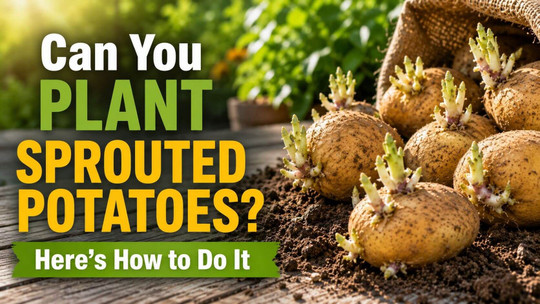
Have you ever reached into your pantry and discovered that your potatoes have started growing small white, green, or purple sprouts? Instead of immediately throwing them away, you may be able to plant them and grow an entirely new crop of potatoes.
Sprouted potatoes can often be planted successfully as long as they are still firm and show no signs of serious rot or disease. In fact, the sprouts—often called “eyes”—are the beginning of new potato plants. With proper preparation, suitable soil, and consistent care, an old potato may produce several new potatoes by the end of the growing season.
Here is how to determine whether your sprouted potatoes are suitable for planting and how to grow them successfully in the garden or containers.
Can You Plant Potatoes That Have Sprouted?
Yes, you can plant sprouted potatoes. Each sprout grows from an eye on the potato and has the potential to develop into a leafy potato plant.
However, not every sprouted potato should be planted. Choose potatoes that are still relatively firm and have healthy-looking sprouts. Avoid planting potatoes that are extremely soft, moldy, slimy, badly shriveled, or giving off an unpleasant odor.
Long, pale sprouts are usually caused by storage in a dark location. They can still grow, but they are fragile and should be handled carefully. Short, thick sprouts with green or purple coloring are generally stronger and easier to plant.
Grocery Store Potatoes vs. Certified Seed Potatoes
Although sprouted grocery store potatoes may grow, certified seed potatoes are generally the more reliable choice for starting a garden.
Certified seed potatoes are produced specifically for planting and are inspected for certain diseases. Grocery store potatoes may have been treated with sprout inhibitors, although a potato that is already actively sprouting may still grow. Store-bought potatoes can also carry diseases that may remain in garden soil and affect future potato crops.
If you decide to experiment with sprouted grocery store potatoes, consider growing them in a large container rather than planting them directly in an established vegetable garden.
When Should You Plant Sprouted Potatoes?
Potatoes are cool-season vegetables and are usually planted in early spring. Wait until the soil is workable and no longer excessively wet.
The ideal soil temperature for planting is approximately 45°F to 55°F. Potato plants tolerate cool conditions, but young growth may be damaged by a hard freeze.
In many climates, potatoes are planted about two to four weeks before the average last spring frost. Gardeners in areas with long growing seasons may also plant a second crop later in the year.
How to Prepare Sprouted Potatoes for Planting
Small potatoes can usually be planted whole. Larger potatoes may be cut into several planting pieces to produce more plants.
Follow these preparation steps:
- Examine each potato and discard any that are moldy, rotten, slimy, or badly damaged.
- If the potato is larger than a golf ball, cut it into pieces approximately 1½ to 2 inches wide.
- Make sure every piece has at least one or two healthy sprouts or visible eyes.
- Leave the cut pieces in a cool, dry, well-ventilated location for one to three days.
- Allow the cut surfaces to dry and develop a protective layer before planting.
Drying the cut surfaces may help reduce the risk of decay after the potatoes are placed in cool soil.
Avoid breaking off healthy sprouts while handling the potatoes. If the sprouts are long and delicate, support them gently during planting.
Choosing the Best Location
Potatoes grow best in a location that receives at least six to eight hours of direct sunlight each day.
Choose loose, fertile, well-draining soil. Heavy, compacted soil can make it difficult for tubers to expand and may result in smaller or misshapen potatoes.
Before planting, loosen the soil to a depth of approximately 8 to 12 inches. Mix in finished compost or other well-aged organic matter to improve soil structure.
Avoid planting potatoes in areas where potatoes, tomatoes, peppers, or eggplants were recently grown. These plants belong to the same family and may share certain soil-borne diseases.
How to Plant Sprouted Potatoes in the Ground
Dig a trench approximately 4 to 6 inches deep.
Place each potato or seed piece into the trench with the sprouts pointing upward. Space the potatoes approximately 10 to 12 inches apart. Leave about 2½ to 3 feet between rows to provide room for growth and hilling.
Cover the potatoes with approximately 3 to 4 inches of loose soil. Water gently after planting to settle the soil around them.
If the sprouts are especially long, carefully lay them at a slight angle rather than forcing them straight upward. Cover them gently to avoid breaking them.
How to Grow Sprouted Potatoes in Containers
Potatoes grow well in containers, grow bags, large buckets, and other deep planters.
Choose a container that is at least 15 to 20 gallons and has several drainage holes. Larger containers generally provide more room for roots and developing potatoes.
Add approximately 6 inches of loose potting mix to the bottom. Place two or three sprouted potatoes or seed pieces on the soil with the sprouts facing upward.
Cover them with approximately 3 to 4 inches of potting mix and water thoroughly.
As the plants grow, gradually add more soil or potting mix around the stems. Leave the upper leaves exposed so the plants can continue receiving sunlight.
Do not overcrowd the container. Too many plants competing for limited space may produce fewer and smaller potatoes.
Watering Potato Plants
Potatoes grow best with consistent moisture, particularly when the plants begin producing flowers and developing tubers underground.
Provide approximately 1 to 2 inches of water per week, including rainfall. Water deeply enough to moisten the root zone rather than applying small amounts every day.
Avoid allowing the soil to alternate repeatedly between extremely dry and overly wet conditions. Uneven watering may contribute to cracked or misshapen potatoes.
Container-grown potatoes may require more frequent watering because potting mix dries faster than garden soil. Check the soil regularly, especially during warm or windy weather.
Why You Should Hill Potato Plants
Hilling is the process of adding soil around the lower stems as potato plants grow.
When the plants reach approximately 6 to 8 inches tall, mound several inches of loose soil around their bases. Leave the upper leaves uncovered.
Repeat the process as the plants continue growing. The final hills may reach approximately 8 to 12 inches high.
Hilling helps keep developing potatoes covered. Potatoes exposed to sunlight may turn green and produce increased levels of solanine, a naturally occurring compound that can be harmful when consumed in sufficient amounts.
Mulching with clean straw may also help retain moisture, suppress weeds, and protect shallow tubers from sunlight.
Should You Remove the Original Sprouts?
Healthy sprouts should generally be left attached because they will develop into the stems and leaves of the new potato plant.
If the sprouts are extremely long, thin, tangled, or damaged, they may break during planting. Handle them carefully rather than removing them unnecessarily.
If a sprout breaks off, the potato may still grow from another eye. However, preserving healthy sprouts may give the plant a faster start.
How Long Do Potatoes Take to Grow?
The time required depends on the potato variety and growing conditions.
Early potato varieties may be ready in approximately 60 to 80 days. Midseason and late-season varieties may require 90 to 120 days or longer.
Weather, soil fertility, sunlight, moisture, and plant health can all affect growth and harvest time.
When to Harvest Potatoes
For small, tender “new potatoes,” carefully harvest a few tubers shortly after the plants begin flowering.
For mature potatoes, wait until the foliage turns yellow, dries out, and begins to die back naturally. Stop watering about one to two weeks before harvesting if conditions allow.
Use a garden fork or shovel to loosen the soil several inches away from the plant. Lift carefully to avoid cutting or puncturing the potatoes.
Allow freshly harvested potatoes to dry briefly in a shaded, well-ventilated location. Avoid leaving them in direct sunlight for extended periods.
Common Problems When Growing Sprouted Potatoes
Potato Pieces Rot Before Growing
Rot is often caused by overly wet, cold, or poorly drained soil. Allow cut potatoes to dry before planting and avoid keeping the soil waterlogged.
Sprouts Break During Planting
Long sprouts are delicate. Handle the potatoes by the tuber rather than lifting them by the sprouts.
Plants Grow but Produce Few Potatoes
Poor production may result from excessive nitrogen, overcrowding, insufficient sunlight, inconsistent watering, or planting too late in hot weather.
Potatoes Turn Green
Green coloring develops when tubers are exposed to sunlight. Add more soil or mulch around the plants to keep all developing potatoes completely covered.
Leaves Develop Spots or Begin Dying Early
Potatoes are susceptible to several fungal and bacterial diseases. Avoid overhead watering when possible, provide adequate spacing, and remove badly affected plant material.
Can You Plant Very Wrinkled Sprouted Potatoes?
A slightly wrinkled potato may still grow if it remains reasonably firm and has healthy sprouts.
However, a potato that is extremely soft, hollow, leaking, moldy, or badly deteriorated is unlikely to produce a strong plant and should not be planted.
Can You Plant a Whole Sprouted Potato?
Yes. Small sprouted potatoes can be planted whole.
Planting whole potatoes may reduce the risk of decay because there are no exposed cut surfaces. Large potatoes can be divided into multiple pieces as long as each section contains at least one healthy eye or sprout.
Final Thoughts
Sprouted potatoes do not always have to go to waste. If they are still firm, healthy, and free from mold or rot, they may be planted in the garden, a raised bed, or a large container.
Prepare larger potatoes by cutting them into pieces with healthy sprouts, allow the cut surfaces to dry, and plant them in loose, well-draining soil. Provide full sun, consistent moisture, and regular hilling as the plants grow.
With a little patience and proper care, those forgotten potatoes in the pantry may develop into healthy plants and provide a fresh homegrown harvest.