
Posted by TJ Hopkins on Jul 2nd 2026
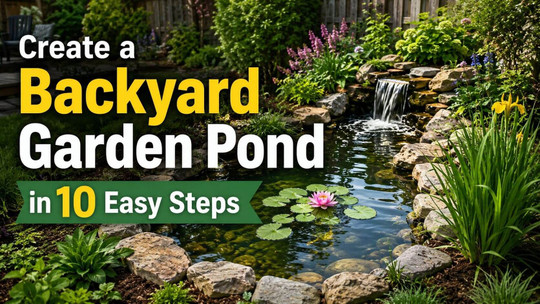
Create a Backyard Garden Pond in 10 Easy Steps
A backyard garden pond can completely transform an ordinary outdoor space into a peaceful retreat filled with the soothing sounds of flowing water and the beauty of aquatic plants. Whether you want a small wildlife pond, a decorative water feature, or a koi pond, building one is easier than you might think. With a little planning and the right materials, you can create a beautiful pond that will provide years of enjoyment.
Why Build a Backyard Garden Pond?
A garden pond offers much more than visual appeal. It can:
- Create a relaxing outdoor environment
- Attract birds, butterflies, frogs, and beneficial wildlife
- Increase your home's curb appeal
- Support colorful aquatic plants
- Provide a habitat for koi or goldfish
- Add the peaceful sound of moving water with a waterfall or fountain
Step 1: Choose the Perfect Location
Select a location that receives about 4 to 6 hours of sunlight per day. Too much sun encourages algae growth, while too much shade limits flowering aquatic plants.
Avoid placing your pond:
- Directly under large trees
- Near areas with heavy runoff
- Over underground utility lines
- In low spots that collect stormwater
A location visible from your patio or deck lets you enjoy your pond every day.
Step 2: Decide on the Pond Size and Shape
Determine how large you want your pond before digging.
Popular pond styles include:
- Natural free-form ponds
- Circular ponds
- Kidney-shaped ponds
- Formal rectangular ponds
If you plan to keep koi, aim for:
- At least 3 feet deep
- 500 gallons or larger
For decorative water gardens, smaller ponds often work well.
Step 3: Mark and Dig the Pond
Use a garden hose, rope, or landscape paint to outline the pond.
As you dig:
- Create planting shelves around the edges
- Remove rocks and roots
- Slope the sides gently
- Make the deepest section in the center
Smooth the soil to protect the liner.
Step 4: Install the Underlayment and Pond Liner
Cover the excavation with:
- Pond underlayment
- Old carpet (optional)
- Geotextile fabric
Next, install a durable EPDM pond liner, allowing several extra inches around the edges.
Fill the pond with a few inches of water to help the liner settle before trimming.
Step 5: Add Rocks and Edging
Natural stone gives the pond a finished appearance.
Popular edging materials include:
- Flat fieldstone
- River rock
- Boulders
- Slate
Hide the liner completely with rocks for a natural look.
Step 6: Install the Pump and Waterfall
A circulating pump keeps the water healthy and oxygenated.
You can also add:
- Waterfall kits
- Bubbling fountains
- Stream features
- Biological filters
- UV clarifiers
Moving water helps reduce mosquitoes and algae while creating relaxing sounds.
Step 7: Fill the Pond
Finish filling the pond with clean water.
If using city water:
- Add a dechlorinator
- Allow the pond to circulate for several days before adding fish
Test the water if you plan to keep koi or goldfish.
Step 8: Add Aquatic Plants
Plants naturally filter water and provide shade for fish.
Excellent pond plants include:
- Water lilies
- Lotus
- Pickerel weed
- Blue flag iris
- Water lettuce
- Water hyacinth (where permitted)
- Corkscrew rush
- Sweet flag
- Hornwort
- Anacharis
Aim for approximately 50–70% surface coverage with floating plants to help reduce algae.
Step 9: Introduce Fish (Optional)
If you'd like fish in your pond, wait until the pond has been running for several days.
Popular choices include:
- Koi
- Comet goldfish
- Shubunkins
Avoid overcrowding, and always use a quality pond filter.
Step 10: Maintain Your Pond
Regular maintenance keeps your pond beautiful year-round.
Simple maintenance includes:
- Remove fallen leaves
- Trim dead aquatic plants
- Clean the pump filter
- Top off water as needed
- Test water quality occasionally
- Divide overgrown plants every few years
With just a little maintenance, your pond will remain healthy and attractive for many seasons.
Backyard Garden Pond Tips
For the best results:
- Install a waterfall for natural oxygenation.
- Include both shallow and deep planting shelves.
- Use native aquatic plants whenever possible.
- Add underwater lighting for nighttime enjoyment.
- Incorporate large rocks and boulders for a natural appearance.
- Consider installing an automatic water fill valve if your climate experiences frequent evaporation.
Final Thoughts
Creating a backyard garden pond is one of the most rewarding landscaping projects you can tackle. Whether you're building a peaceful water garden filled with lilies or a larger pond designed for colorful koi, careful planning and quality materials will ensure long-lasting success. Once complete, your pond will become a beautiful focal point that attracts wildlife, enhances your landscape, and provides a relaxing escape just steps from your back door.