
Posted by TJ Hopkins on Sep 12th 2026
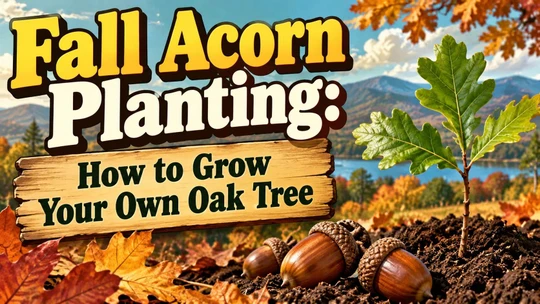
Fall Acorn Planting: How to Grow Your Own Oak Tree
Growing an oak tree from an acorn is a rewarding fall project that anyone can try. Oaks provide shade, beauty, wildlife habitat, and food for birds and small animals. With the right acorn and a little patience, you can grow a tree that may live for generations.
Choose the Right Time to Collect Acorns
Early to mid-fall is usually the best time to collect acorns. Look beneath healthy, mature oak trees after the acorns begin falling naturally.
Choose acorns that are:
- Firm and fully developed
- Brown or tan rather than green
- Free from cracks, holes, and mold
- Heavy for their size
- Collected soon after falling
Small round holes may indicate that an acorn weevil has damaged the seed. Leave badly damaged or unusually lightweight acorns behind.
Whenever possible, gather several acorns because some may not germinate.
Identify the Type of Oak
Knowing whether the parent tree belongs to the white oak group or red oak group will help you choose the correct planting method.
White oak acorns usually mature in one growing season and may begin producing roots soon after falling. These acorns are best planted promptly in the fall.
Red oak acorns generally require a period of cold, moist conditions before they can germinate. Planting them outdoors in the fall allows winter weather to provide this treatment naturally.
If you cannot identify the exact species, planting fresh acorns outdoors during fall is often the simplest approach.
Remove the Acorn Caps
The cap can usually be twisted or pulled away easily from a mature acorn. Removing it is optional, but it makes inspecting the seed easier.
Do not remove or damage the brown outer shell. This shell protects the living seed inside.
Check the Acorns for Damage
Inspect every acorn carefully. Discard any that are soft, moldy, cracked, badly discolored, or filled with holes.
You can also place the acorns in a bowl of water for several minutes. Healthy acorns often sink, while damaged or dried-out acorns frequently float. However, the float test is not perfect. A firm, freshly collected acorn may still be worth planting even if it floats.
Choose a Planting Location
Oak trees need room to develop broad crowns and strong root systems. Before planting directly in the ground, consider the tree’s mature size.
Select a location that has:
- Full sun or light partial shade
- Well-drained soil
- Plenty of overhead space
- Adequate distance from buildings and utility lines
- Protection from frequent mowing or foot traffic
Avoid planting a future large oak directly beneath power lines or too close to foundations, driveways, septic systems, or sidewalks.
How to Plant Acorns Directly Outside
Planting acorns outdoors in the fall allows nature to provide the seasonal temperature changes they need.
Prepare the soil by removing grass, weeds, and surface debris. Loosen a small area of soil before planting.
Place each acorn approximately one to two inches deep. The exact depth can vary with acorn size and soil conditions. Positioning the acorn on its side allows the root and shoot to develop naturally.
Cover it gently with soil and water the area thoroughly. Keep the soil lightly moist, but never constantly soggy.
Plant more than one acorn in each general area if you want to improve your chances of success. The weaker seedlings can be removed or transplanted later.
Protect Acorns From Wildlife
Squirrels, chipmunks, deer, mice, and other animals may find planted acorns before they germinate.
Covering the planting area with a small piece of wire mesh can discourage digging. Secure the mesh carefully and remove or adjust it once the seedling begins emerging.
Mark the planting location with a stake so it is not accidentally disturbed during spring cleanup.
Planting Acorns in Containers
Growing acorns in pots gives you more control and makes it easier to monitor germination.
Choose a deep container with drainage holes because young oak trees quickly develop long taproots. Tree-growing pots, tall nursery containers, or other deep pots are better than shallow trays.
Fill the container with a loose, well-draining growing mix. Plant one acorn approximately one inch deep, cover it lightly, and water until the mix is evenly moist.
Place fall-planted containers outdoors in a protected location where they will experience natural winter temperatures. A layer of wire mesh can help keep animals from digging in the pots.
Do not allow the growing mix to become completely dry, but avoid keeping it waterlogged.
Cold-Stratifying Red Oak Acorns Indoors
Red oak acorns can be cold-stratified in a refrigerator when immediate outdoor planting is not possible.
Place the acorns in a plastic bag with slightly damp peat moss, sand, or a folded paper towel. The material should feel moist but should not drip water when squeezed.
Keep the bag in the refrigerator for approximately 30 to 90 days. The necessary period varies by oak species. Check the bag regularly for mold, excessive moisture, or developing roots.
Never store acorns in a freezer. Freezing can damage or kill the seed.
Plant any acorn that begins producing a root. Handle the new root carefully because it breaks easily.
What to Expect in Spring
Some acorns produce roots during fall or winter but do not send a visible shoot above the soil until spring. Others remain inactive until temperatures begin warming.
Keep the planting area moderately moist during extended dry periods. Be patient and avoid digging up the acorn repeatedly to check its progress.
Once a seedling emerges, it should begin developing its first leaves. New oak leaves may look delicate or unusually colored before they mature.
Caring for a Young Oak Seedling
Young oak seedlings need consistent care during their first growing season.
Water deeply whenever the upper soil begins drying, especially during hot or rainless weather. Deep watering encourages roots to grow downward. Avoid frequent shallow watering or soil that remains saturated.
Remove weeds and grass from around the seedling so they do not compete for moisture and nutrients. A light layer of mulch can help conserve moisture, but keep it several inches away from the stem.
Protect the seedling from deer, rabbits, string trimmers, lawn mowers, and foot traffic. A small tree guard or wire cage may be helpful.
Oak seedlings growing in healthy soil usually do not need heavy fertilizer. Too much fertilizer can encourage weak, rapid growth.
When to Transplant a Potted Oak
A container-grown oak should be transplanted before it becomes severely root-bound. Fall or early spring is often suitable, depending on the local climate.
Choose the permanent location carefully because oaks do not appreciate repeated transplanting once their roots become established.
Dig a hole that is wider than the root system but no deeper than the soil level in the container. Remove the seedling carefully and avoid bending or breaking its taproot.
Place it at the same depth it was growing in the pot. Refill the hole with the original soil, water thoroughly, and apply a light layer of mulch around the planting area.
Common Acorn-Growing Mistakes
Avoid these common problems:
- Collecting old, dried, or insect-damaged acorns
- Allowing stored acorns to dry completely
- Planting in poorly drained soil
- Using containers that are too shallow
- Damaging the developing taproot
- Forgetting to protect planted acorns from animals
- Planting a large oak too close to structures
- Overwatering young seedlings
- Giving up before spring arrives
How Long Does It Take to Grow an Oak Tree?
A healthy acorn may germinate during its first spring, although timing depends on the species and growing conditions. Seedlings often grow slowly while establishing their root systems.
An oak will not become a large shade tree overnight. Growing one from an acorn is a long-term project, but that is part of what makes it meaningful. The small seedling you care for today could eventually become a beautiful tree enjoyed by wildlife, family members, and future generations.
Final Thoughts
Fall is one of the best times to begin growing an oak tree from an acorn. Start with fresh, healthy seeds, plant several to improve your chances, and protect them from hungry wildlife.
With proper planting, steady moisture, and patience, an ordinary acorn can become a strong oak tree that transforms the landscape for decades to come.