
Posted by TJ Hopkins on Oct 16th 2026
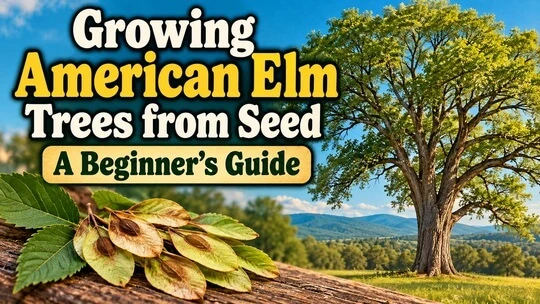
Growing American Elm Trees from Seed: A Beginner's Guide
The American Elm Tree (Ulmus americana) is one of North America's most recognizable and beautiful native shade trees. Known for its tall, graceful shape, arching branches, and broad canopy, the American Elm has been a favorite along streets, in parks, and across residential landscapes for generations. Growing American Elm Trees from seed is a rewarding way to establish these impressive trees while helping preserve an important native species.
Although American Elms have faced serious challenges from Dutch elm disease, they remain valuable trees throughout much of the United States and Canada. With proper seed collection, planting techniques, and early care, gardeners can successfully grow American Elm seedlings at home.
This beginner's guide explains everything you need to know about collecting American Elm seeds, preparing them for planting, germinating them, and caring for young seedlings.
1. Getting to Know the American Elm Tree
The American Elm is a fast-growing deciduous tree native to eastern and central North America. Mature trees are famous for their distinctive vase-shaped crowns, which create wide areas of shade.
American Elm Tree Characteristics:
-
Botanical Name: Ulmus americana
-
Common Name: American Elm
-
Tree Type: Deciduous shade tree
-
Mature Height: 60–80 feet, sometimes taller
-
Mature Spread: 40–70 feet or more
-
USDA Hardiness Zones: 2–9, depending on local conditions
-
Sunlight Requirements: Full sun to partial shade
-
Soil Preferences: Moist, fertile, well-drained soil
-
Growth Rate: Fast under favorable conditions
-
Native Range: Eastern and central North America
American Elms naturally grow along rivers, streams, floodplains, and moist woodlands. However, they can adapt to various soil types once established.
Their attractive shape, relatively fast growth, and ability to provide substantial shade make them appealing for large properties and naturalized landscapes.
2. When to Collect American Elm Seeds
One of the most important things to understand about American Elm seeds is that they mature much earlier than the seeds of many other trees.
American Elm Trees generally produce seeds during spring, usually between April and June, depending on the climate and location.
Unlike acorns or maple seeds that often mature later in the growing season, American Elm seeds develop shortly after the tree flowers.
Signs That American Elm Seeds Are Ready to Collect:
-
Seeds have developed into flat, papery, oval-shaped structures called samaras.
-
The seeds have changed from bright green to pale green, yellowish, or light brown.
-
Mature seeds begin falling naturally from the tree.
-
The papery seed covering feels relatively dry.
-
Seeds contain a developed center rather than an empty, papery shell.
The best time to collect seeds is when they are mature but still fresh.
American Elm seeds generally lose viability relatively quickly when stored under ordinary conditions. For the best germination results, plant freshly collected seeds as soon as possible.
3. Understanding American Elm Seeds
American Elm seeds are small, lightweight, and surrounded by thin, papery wings that help them travel in the wind.
These winged seeds are called samaras.
Each samara usually contains a single seed near its center. The surrounding papery material allows the seed to float away from the parent tree and settle in nearby soil.
In nature, American Elm seeds often germinate shortly after falling onto moist ground during spring.
Unlike many tree species that require a long winter chilling period, freshly collected American Elm seeds generally do not require cold stratification before planting.
This makes American Elm one of the easier native shade trees to start from fresh seeds.
4. Do American Elm Seeds Need Cold Stratification?
Cold stratification is a process that exposes seeds to cool, moist conditions to help break dormancy.
Many tree species, including certain oaks, maples, and other hardwoods, benefit from specific pretreatments before germination.
However, freshly harvested American Elm seeds are different.
Fresh American Elm seeds generally do not need cold stratification.
When seeds are mature, viable, and planted soon after collection, they can germinate without a prolonged chilling treatment.
Seeds that have been dried or stored for extended periods may respond differently, and germination success can decline with improper storage.
For beginners, the simplest approach is to obtain fresh American Elm seeds and plant them immediately.
5. Choosing the Best Soil for American Elm Seeds
American Elm seeds germinate best in a growing medium that holds consistent moisture without becoming waterlogged.
A loose, well-draining seed-starting mix is ideal.
Recommended Seed-Starting Materials:
-
High-quality seed-starting soil
-
Coconut coir for moisture retention
-
Perlite to improve drainage and aeration
-
Fine compost in small amounts, if properly finished
-
Clean containers with drainage holes
A simple mixture of approximately two parts seed-starting mix and one part perlite works well for many growers.
Avoid heavy garden soil that becomes compacted when wet. Dense soil can limit oxygen around developing roots and increase the risk of fungal problems.
American Elm seedlings develop delicate roots during their earliest growth stages, so a light growing medium makes establishment easier.
6. How to Germinate American Elm Tree Seeds
Germinating American Elm seeds is relatively straightforward when you provide the right combination of moisture, warmth, light, and suitable soil.
Follow these steps to get started.
Step 1: Prepare Your Planting Containers
Choose small nursery pots, seed-starting trays, or other containers with drainage holes.
Fill each container with a lightly moistened seed-starting mixture.
Gently level the surface without pressing the soil down too firmly.
Step 2: Plant the American Elm Seeds
Place the seeds directly onto the surface of the moist growing medium.
Press them gently into the soil to ensure good contact.
Cover the seeds with only a very thin layer of fine soil or vermiculite, approximately 1/8 inch deep or less.
Avoid burying the seeds too deeply. Their small size means they have limited stored energy for pushing through thick layers of soil.
Step 3: Water Carefully
Use a spray bottle or gentle watering method to moisten the growing medium.
The soil should remain consistently moist but never saturated.
Strong streams of water can displace the small seeds or bury them too deeply.
Step 4: Provide Suitable Temperatures
Place the containers in a bright location with temperatures around 65–75°F.
These moderate temperatures are generally favorable for germinating fresh American Elm seeds.
Avoid placing containers near heating vents or in areas with extreme temperature fluctuations.
Step 5: Maintain Consistent Moisture
Check the growing medium daily.
Do not allow the surface to dry completely during germination.
A clear humidity dome can help retain moisture, but provide ventilation and remove the dome once seedlings begin emerging.
Step 6: Watch for Germination
Fresh, viable American Elm seeds can germinate relatively quickly under favorable conditions.
Typical Germination Time: Approximately 1–3 weeks.
Some seeds may sprout sooner, while others may take longer depending on seed freshness, temperature, moisture, and growing conditions.
Not every seed will germinate, especially when seed quality or storage conditions are uncertain.
7. How Much Sunlight Do American Elm Seedlings Need?
Young American Elm seedlings need adequate light to develop sturdy stems and healthy leaves.
Immediately after germination, provide bright light while protecting tender seedlings from excessive heat and harsh midday sunlight.
If growing indoors, a quality grow light can provide more consistent illumination than a dim windowsill.
Helpful Lighting Tips:
-
Provide bright, indirect light immediately after germination.
-
Gradually introduce seedlings to direct sunlight.
-
Avoid sudden exposure to intense afternoon sun.
-
Rotate indoor containers to encourage even growth.
-
Watch for thin, stretched stems, which may indicate insufficient light.
As seedlings become established, they can gradually adjust to stronger sunlight.
Mature American Elm Trees generally perform best in full sun.
8. Watering Young American Elm Seedlings
Proper watering is one of the most important parts of growing American Elm Trees from seed.
Young seedlings have small root systems and can dry out quickly, particularly in shallow containers.
However, excessive moisture can encourage root rot and damping-off disease.
Best Watering Practices:
-
Keep the soil evenly moist during early growth.
-
Allow the upper surface to begin drying slightly between waterings once seedlings are established.
-
Always use containers with drainage holes.
-
Avoid leaving pots standing in water.
-
Water gently to prevent disturbing young roots.
The goal is consistent moisture without soggy conditions.
As the seedlings develop larger root systems, they will become better equipped to handle brief periods between waterings.
9. When to Transplant American Elm Seedlings
American Elm seedlings can grow quickly when provided with adequate light, moisture, and nutrients.
Once seedlings develop several true leaves and a healthy root system, they may be ready for larger containers.
Avoid transplanting immediately after germination because the young roots are extremely delicate.
Signs Your Seedlings Are Ready for Transplanting:
-
Several sets of true leaves have developed.
-
Roots are beginning to reach the sides or bottom of the container.
-
Seedlings are growing steadily.
-
Plants are large enough to handle without damaging the stems.
-
The original container is becoming crowded.
When transplanting, gently lift each seedling while keeping as much of the root system intact as possible.
Place the seedling into a slightly larger pot filled with a well-draining growing medium.
Water thoroughly after transplanting and protect the plant from intense sunlight for a short adjustment period.
10. Growing American Elm Trees Outdoors
Once American Elm seedlings become established, they can eventually be moved outdoors.
Before planting them permanently, young trees should be gradually acclimated to outdoor conditions.
This process is known as hardening off.
Begin by placing seedlings outdoors in a sheltered, partially shaded location for a few hours each day.
Gradually increase their exposure to sunlight, wind, and outdoor temperatures over approximately 7–14 days.
After hardening off, choose a suitable planting location.
Ideal Outdoor Planting Conditions:
-
Full sun for the best long-term growth
-
Moist but well-drained soil
-
Plenty of room for the mature canopy
-
Adequate distance from buildings and overhead power lines
-
Protection from lawn equipment and browsing animals
-
Sufficient space for the developing root system
American Elms can eventually become very large trees, so selecting the right location is essential.
A small seedling may look harmless near a house or driveway, but a mature American Elm can develop a massive trunk and extensive canopy.
11. How Fast Do American Elm Trees Grow?
American Elm Trees are considered fast-growing shade trees under favorable conditions.
Once established, healthy young trees may grow approximately 2–3 feet per year, although actual growth depends on soil quality, moisture, sunlight, genetics, and climate.
Seedlings typically grow more slowly during their earliest stages as they establish roots.
During the first growing season, focus on developing a healthy root system rather than encouraging excessive height.
Providing consistent moisture, suitable soil, and adequate sunlight will help support strong development.
With proper care, American Elm seedlings can eventually become impressive shade trees that enhance the landscape for decades.
12. Protecting American Elm Seedlings From Pests and Diseases
Although American Elm Trees are hardy and adaptable, young seedlings can experience problems from insects, fungal diseases, and environmental stress.
One of the most serious threats to mature American Elms is Dutch elm disease.
This fungal disease has killed millions of American Elm Trees across North America.
Dutch elm disease is primarily spread by elm bark beetles and through root connections between neighboring trees.
Growing American Elms from seed does not automatically produce disease-resistant trees.
Seedlings from susceptible parent trees may also be susceptible to Dutch elm disease.
Ways to Protect Young American Elm Trees:
-
Start with healthy seeds from reputable sources.
-
Use clean planting containers and growing media.
-
Avoid overwatering seedlings.
-
Provide good air circulation.
-
Inspect leaves and stems regularly.
-
Protect outdoor seedlings from deer, rabbits, and rodents.
-
Avoid damaging the bark of young trees.
-
Consider disease-resistant American Elm cultivars when long-term landscape survival is a priority.
Some American Elm selections have demonstrated improved resistance or tolerance to Dutch elm disease, although no tree is completely immune.
For homeowners planting a prominent shade tree, disease resistance is an important consideration.
13. Can You Grow American Elm Trees Indoors?
American Elm seeds can be started indoors successfully.
Indoor seed starting allows gardeners to control moisture, temperature, and lighting during the earliest stages of development.
However, American Elm Trees are not suitable as permanent indoor houseplants.
They are large deciduous trees that require seasonal changes, outdoor conditions, and sufficient growing space.
Starting seeds indoors during spring can be convenient, especially in colder climates.
Once seedlings become strong enough and outdoor conditions are suitable, they should gradually be moved outside.
If seedlings are grown in containers through their first winter, protect their roots from extreme freezing temperatures and prevent the growing medium from drying out completely.
14. Common American Elm Seed Germination Problems
Even when following proper planting instructions, gardeners may encounter a few challenges.
Seeds Are Not Germinating
Old or improperly stored seeds are a common reason for poor germination.
American Elm seeds can lose viability quickly under unsuitable storage conditions.
Whenever possible, use freshly collected seeds.
Excessive watering, poor drainage, and compacted soil can cause seeds to deteriorate.
Use a loose seed-starting medium and maintain moisture without saturation.
Seedlings Fall Over
Seedlings that suddenly collapse near the soil surface may be experiencing damping-off, a fungal disease associated with overly wet conditions and poor air circulation.
Avoid overcrowding, use clean containers, and provide adequate ventilation.
Seedlings Become Tall and Thin
Weak, stretched seedlings often indicate insufficient light.
Move the plants to a brighter location or use a suitable grow light.
Leaves Turn Yellow
Yellow leaves may result from overwatering, poor drainage, nutrient deficiencies, or environmental stress.
Check soil moisture and drainage before applying fertilizer.
15. Best Time of Year to Plant American Elm Seeds
Spring is generally the best time to plant freshly harvested American Elm seeds.
Because the seeds naturally mature and disperse during spring, planting them soon after collection follows their natural growing cycle.
In many northern states, seeds may become available during May or June.
In warmer southern regions, seed production can occur earlier.
Seasonal Planting Guide:
-
Early Spring: Prepare containers and seed-starting materials.
-
Mid to Late Spring: Collect mature seeds and plant immediately.
-
Early Summer: Care for newly germinated seedlings.
-
Mid to Late Summer: Transplant established seedlings into larger containers as needed.
-
Fall: Prepare young trees for winter dormancy and protect container-grown roots.
-
Winter: Keep dormant seedlings protected from extreme conditions and monitor moisture.
Planting fresh seeds during their natural dispersal period generally provides the simplest approach for beginners.
16. Why Grow American Elm Trees From Seed?
Growing American Elm Trees from seed offers several advantages for gardeners, conservation enthusiasts, and anyone interested in native trees.
American Elms provide shade, contribute to native ecosystems, and offer habitat for various insects and wildlife.
Starting trees from seed also allows gardeners to observe the entire development process, from a tiny winged seed to a young sapling.
Benefits of Growing American Elm Trees:
-
Supports the propagation of a native North American tree species.
-
Provides opportunities to grow multiple seedlings affordably.
-
Encourages an appreciation for native tree conservation.
-
Creates potential shade trees for large properties.
-
Supports wildlife and local ecosystems.
-
Offers a rewarding gardening project for beginners.
Seed-grown American Elms also contribute to genetic diversity, which is important for the long-term conservation of native tree populations.
However, genetic diversity should not be confused with guaranteed Dutch elm disease resistance.
Final Thoughts: Growing American Elm Trees From Seed
Growing American Elm Trees from seed is an enjoyable and rewarding project for beginners and experienced gardeners alike.
These beautiful native shade trees are known for their graceful branching structure, fast growth, and impressive mature size.
The most important factor in successful American Elm seed germination is starting with fresh, viable seeds.
Unlike many other hardwood trees, freshly collected American Elm seeds generally do not require cold stratification. They can often germinate within just a few weeks when planted in moist, well-draining soil under favorable temperatures.
By providing proper moisture, adequate sunlight, careful transplanting, and protection during the early growing stages, gardeners can raise healthy American Elm seedlings.
Although Dutch elm disease remains a serious concern, growing American Elms from seed can help support continued interest in this remarkable native tree.
With patience and proper care, a tiny American Elm seed has the potential to grow into a magnificent shade tree that can be appreciated for generations.