
Posted by TJ Hopkins on Aug 16th 2026
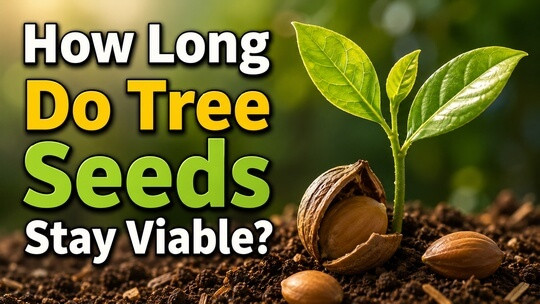
How Long Do Tree Seeds Stay Viable?
If you have a collection of tree seeds sitting in a drawer, refrigerator, or storage container, you may wonder whether they are still worth planting. Tree seeds can remain viable anywhere from a few months to many years, depending on the species and how the seeds are stored.
Some tree seeds quickly lose their ability to germinate after they mature, while others are naturally designed to survive long periods of dormancy. Temperature, moisture, seed maturity, and storage conditions all play an important role in determining how long tree seeds remain viable.
Understanding seed longevity can help you decide whether older seeds are worth planting and how to properly store newly collected seeds for future growing seasons.
What Does Seed Viability Mean?
Seed viability refers to whether a seed is still alive and capable of germinating under suitable conditions.
A seed may look perfectly healthy on the outside but no longer contain a living embryo capable of producing a seedling. As seeds age, their germination rate generally declines.
For example, a fresh batch of seeds might have an 80% germination rate. After several years of storage, that same batch could have a significantly lower germination rate even though some of the seeds remain viable.
How Long Do Tree Seeds Usually Stay Viable?
There is no single lifespan that applies to every type of tree seed. Depending on the species, tree seeds may remain viable for:
- A few weeks or months for short-lived seeds that cannot tolerate drying.
- 1–3 years for many commonly grown tree species under reasonable storage conditions.
- 3–5 years or longer for seeds that tolerate drying and are properly refrigerated.
- 10 years or more for certain species stored under carefully controlled conditions.
The biggest difference is often whether the species produces seeds that tolerate drying.
Orthodox vs. Recalcitrant Tree Seeds
Tree seeds can broadly be divided into different groups according to how they respond to drying and storage.
Orthodox Seeds
Orthodox seeds tolerate drying and can often be stored at cool temperatures for extended periods.
Many conifers and other tree species produce seeds that fall into this category. When sufficiently dry and stored properly, some can remain viable for several years.
Examples may include seeds from:
- Pine
- Spruce
- Fir
- Birch
- Alder
- Some maple species
Exact storage life varies considerably among individual species.
Recalcitrant Seeds
Recalcitrant seeds are very different. They generally cannot be dried extensively without damaging or killing the embryo.
These seeds often need to remain moist and may have relatively short storage lives.
Examples include seeds from some species of:
- Oak
- Chestnut
- Buckeye
- Horse chestnut
Acorns are a particularly good example. You should not assume that an acorn can simply be dried and stored like a packet of vegetable seeds.
Factors That Affect How Long Tree Seeds Remain Viable
Several environmental and biological factors determine how quickly seeds lose viability.
1. Temperature
Temperature is one of the most important factors.
For seeds that tolerate dry storage, cool temperatures generally help slow the biological processes responsible for seed deterioration. Refrigerated seeds can therefore remain viable much longer than seeds stored in a hot garage, greenhouse, or shed.
Avoid repeatedly exposing stored seeds to major temperature fluctuations.
2. Moisture
Moisture can either preserve or destroy seeds depending on the species.
Dry-storable seeds generally keep better when their moisture content is reduced before storage. Excess moisture can encourage mold and premature germination.
Recalcitrant seeds are the exception because allowing them to become excessively dry can kill them.
This is why identifying the tree species before storing its seeds is so important.
3. Seed Maturity
Seeds collected before they are fully mature may have poor viability from the beginning.
Whenever possible, collect seeds when the fruits, cones, pods, or nuts have reached the appropriate stage of maturity for that particular species.
4. Storage Container
For dry-storable seeds, sealed containers help protect them from changes in humidity.
Depending on the species and storage method, useful containers can include:
- Sealed glass jars
- Plastic containers with tight-fitting lids
- Resealable seed-storage bags
- Moisture-resistant seed envelopes placed inside sealed containers
Always label stored seeds.
Include the species name and collection date so you don't have to guess how old they are later.
5. Initial Seed Quality
Storage cannot improve poor-quality seeds.
Seeds damaged by insects, disease, improper harvesting, or environmental conditions may have low viability even when they are relatively fresh.
Start with mature, healthy seeds whenever possible.
Does Refrigerating Tree Seeds Make Them Last Longer?
For many dry-storable tree seeds, refrigeration can significantly improve storage life compared with keeping them at room temperature.
A refrigerator provides the cool environment that helps slow seed deterioration.
However, refrigeration should not be confused with cold stratification.
Seed storage is intended to preserve seeds until you are ready to use them.
Cold stratification is a germination treatment designed to imitate winter conditions and help break dormancy.
A tree seed might spend months or years in refrigerated storage and then require a separate period of moist cold stratification before planting.
Can You Freeze Tree Seeds?
Some properly dried orthodox tree seeds can tolerate freezing and may be stored at subfreezing temperatures for long-term preservation.
However, freezing is not appropriate for every species.
Seeds containing too much moisture can be damaged by freezing, and many recalcitrant seeds do not tolerate conventional freezer storage.
For home growers, properly refrigerated storage is often simpler unless you know the specific storage requirements of the species.
How to Store Tree Seeds at Home
Before storing tree seeds, determine whether the species tolerates drying.
For seeds suitable for dry storage:
- Clean away fruit pulp, debris, wings, or other unnecessary material when appropriate.
- Allow the seeds to reach the appropriate storage moisture level for the species.
- Place them in a labeled, moisture-resistant container.
- Write the tree species and collection date on the label.
- Store the container in a cool, stable location, typically a refrigerator when appropriate.
- Check stored seeds periodically for moisture, mold, or other problems.
For moisture-sensitive seeds such as many acorns, follow species-specific storage instructions instead of drying them.
How Can You Tell If Old Tree Seeds Are Still Viable?
The most dependable practical method is a germination test.
Take a small sample from your seed batch and provide the correct germination conditions for that particular species. This may include scarification, warm stratification, cold stratification, or another dormancy treatment.
If you test 10 seeds and six successfully germinate, your sample has approximately a 60% germination rate.
A low germination percentage doesn't necessarily mean you should throw the entire batch away. You may simply need to plant more seeds to compensate.
What About the Float Test?
You may have heard that placing seeds in water can determine whether they are viable.
Seeds that sink are sometimes assumed to be viable, while floating seeds are assumed to be dead.
Unfortunately, the float test is not universally reliable.
Some perfectly viable seeds naturally float, while some nonviable seeds can sink. Seed structure varies enormously among tree species.
A species-appropriate germination test is usually much more useful.
Do Old Tree Seeds Take Longer to Germinate?
Sometimes, but age isn't necessarily the reason.
Tree seeds naturally have widely different germination requirements. Some germinate quickly after sowing, while others contain dormancy mechanisms that delay germination.
Depending on the species, seeds may require:
- Cold stratification
- Warm stratification
- Warm followed by cold stratification
- Scarification
- Soaking
- Light exposure
- Specific temperature conditions
An old seed that doesn't immediately germinate isn't automatically dead. It may simply be dormant.
Should You Throw Away Old Tree Seeds?
Usually, there is little reason to discard older tree seeds without testing them first.
If they have been stored under reasonably good conditions and show no obvious signs of decay, try germinating a sample.
When working with older seeds, sowing more seeds than usual can compensate for reduced viability.
For example, if you would normally sow 20 fresh seeds, you might sow considerably more from an older batch if you expect the germination percentage to have declined.
Tree Seeds That Need Special Attention
Large nuts and seeds deserve particular attention because storage requirements vary considerably among species.
Oak acorns are an excellent example. Many oak species produce moisture-sensitive acorns that should not be allowed to dry excessively.
Other tree seeds may remain dormant for extended periods while tolerating much drier storage.
Never assume that storage instructions for one tree species apply to another.
Tips for Keeping Tree Seeds Viable Longer
Following a few basic practices can help protect your seed collection:
- Collect mature, healthy seeds.
- Identify the tree species before choosing a storage method.
- Keep dry-storable seeds cool and protected from excess humidity.
- Don't allow moisture-sensitive seeds to dry excessively.
- Protect seeds from insects and rodents.
- Avoid hot storage locations.
- Label every container with the species and collection date.
- Research species-specific requirements before freezing seeds.
- Test older seed batches before discarding them.
The Bottom Line
So, how long do tree seeds stay viable?
The answer can range from only a few months to many years.
Tree species, seed type, moisture content, temperature, and storage conditions all influence longevity. Properly stored dry-tolerant seeds may remain viable for several years or longer, while moisture-sensitive seeds can lose viability much more quickly if stored incorrectly.
If you've discovered an old container of tree seeds, don't automatically assume they're dead. Research the germination requirements for the species, test a sample, and give them a chance to grow.
You might be surprised by how much life is still waiting inside an old seed.