
Posted by TJ Hopkins on Sep 6th 2026
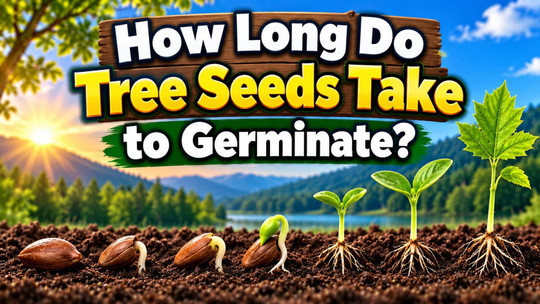
How Long Do Tree Seeds Take to Germinate?
Growing a tree from seed is an exciting project, but it requires patience. Some tree seeds sprout in only a few weeks, while others may take several months—or even until the following spring—to germinate.
The exact amount of time depends on the tree species, the freshness of the seeds, and whether they need special preparation before planting.
Average Tree Seed Germination Times
Tree seeds generally fall into a few broad germination ranges:
- Fast-germinating seeds: Approximately 1–4 weeks
- Moderate-germinating seeds: Approximately 4–12 weeks
- Slow or dormant seeds: Several months to more than one year
Even seeds from the same tree may not germinate at exactly the same time. Staggered germination is a natural survival strategy that prevents every seedling from emerging under the same unfavorable conditions.
Germination Times for Common Tree Seeds
The following are general estimates. Germination can vary depending on the seed source and growing conditions.
- Maple: Approximately 2–8 weeks after the required treatment
- Oak: Approximately 2–8 weeks, depending on the species
- Pine: Approximately 2–6 weeks after pretreatment
- Spruce: Approximately 2–6 weeks after pretreatment
- Birch: Approximately 2–4 weeks
- Redbud: Approximately 2–8 weeks after scarification and stratification
- Dogwood: Approximately 1–3 months after stratification
- Apple and crabapple: Approximately 2–6 weeks after stratification
- Black walnut: Often germinates in spring after fall planting
- American chestnut: Approximately 2–6 weeks after cold stratification
- Magnolia: Approximately 1–3 months after stratification
- Honey locust: Approximately 1–4 weeks after scarification
These estimates usually refer to the time between the completion of pretreatment and the appearance of a sprout. The full process can take much longer when several months of stratification are required.
Why Do Some Tree Seeds Take So Long?
Many tree seeds are naturally dormant when they fall from the parent tree. Dormancy prevents them from sprouting immediately before winter or during a short period of favorable weather.
A dormant seed may need one or more environmental signals before it can germinate. These may include:
- A period of cold, moist conditions
- A period of warm, moist conditions
- Softening or opening of a hard seed coat
- Exposure to light
- Consistent moisture
- A particular soil temperature
These natural requirements help the seed germinate during a season when the young tree has a better chance of surviving.
What Is Cold Stratification?
Cold stratification recreates the cool, damp conditions that seeds experience outdoors during winter. It is commonly needed by trees native to temperate climates.
The seeds are usually mixed with slightly damp sand, peat moss, or another suitable medium and placed in a refrigerator. Depending on the species, cold stratification may last anywhere from about 30 to 120 days.
The medium should remain moist but not soaking wet. Excess water can encourage mold or cause the seeds to rot.
Some species need a warm, moist period before cold stratification. Always check the requirements for the particular type of tree you are growing.
What Is Scarification?
Scarification weakens a hard seed coat so that water can reach the embryo inside. It may be necessary for trees such as redbud, honey locust, black locust, and Kentucky coffeetree.
Common scarification methods include:
- Gently rubbing the seed coat with sandpaper
- Carefully nicking the outer coating
- Soaking the seeds in hot or warm water
The goal is to weaken the seed coat without damaging the embryo. After scarification, many seeds begin swelling as they absorb water.
Conditions That Affect Germination Time
Even properly prepared seeds may germinate slowly if their growing environment is unsuitable.
Temperature
Every tree species has a preferred germination temperature. Many seeds germinate well under moderately warm conditions, but some prefer cooler temperatures.
Soil that is too cold may delay germination. Excessive heat can dry the growing medium or damage the seed.
Moisture
Tree seeds need steady moisture to germinate. The growing medium should feel damp but never waterlogged.
Allowing a seed to dry after it has begun absorbing water may stop germination. Keeping it too wet can reduce oxygen around the seed and encourage rot.
Seed Freshness
Fresh, properly stored seeds generally germinate more reliably than old or poorly stored seeds. However, storage life varies widely among tree species.
Acorns, chestnuts, and some other large seeds can lose viability if they are allowed to dry out. Many pine, spruce, and birch seeds can remain viable longer when stored correctly.
Planting Depth
Planting too deeply can prevent a young seedling from reaching the surface. As a general guideline, cover a seed with soil approximately one to two times its thickness.
Very small seeds may need to be pressed onto the surface or covered only lightly. Check the sowing directions for the individual species.
Light
Some seeds germinate better when exposed to light, while others prefer darkness. Tiny seeds are frequently surface-sown because burying them too deeply blocks light and makes emergence difficult.
When Should You Start Checking for Sprouts?
Begin checking the container regularly as soon as the seeds are planted. Some prepared tree seeds may start germinating within one or two weeks.
Watch for:
- A root emerging from the seed
- The seed coat splitting
- A curved stem pushing through the soil
- The first seed leaves beginning to open
Remove any humidity covering gradually after seedlings emerge, and provide bright light so they do not become thin or stretched.
What If the Seeds Do Not Germinate?
Do not discard tree seeds too quickly. Many species germinate irregularly, and a few seeds may sprout long after the others.
If nothing appears, consider the following possibilities:
- The seeds still need more time
- Stratification was too short
- The seeds dried out
- The growing medium remained too wet
- The temperature was unsuitable
- The seeds were planted too deeply
- A hard seed coat was not properly scarified
- The seeds were old or no longer viable
Continue providing suitable conditions unless the seeds have clearly rotted. In some cases, placing the seeds through another natural winter cycle may encourage germination the following spring.
Is Fall or Spring Planting Better?
Fall planting is often the simplest choice for cold-hardy native tree seeds. Outdoor conditions provide natural cold stratification through the winter, allowing the seeds to emerge in spring.
However, outdoor containers should be protected from rodents, flooding, and severe drying. Hardware cloth or another breathable cover can help keep animals from digging up the seeds.
Indoor planting provides more control, but the grower must reproduce the seed’s natural dormancy requirements correctly.
Be Patient With Tree Seeds
Tree seed germination is rarely an instant process. While certain seeds may sprout within a few weeks, others must pass through months of carefully controlled conditions before they are ready to grow.
Research the requirements of your particular species, provide the correct pretreatment, and keep the growing medium consistently moist. With patience and proper care, a seemingly inactive seed can eventually become a healthy young tree.