
Posted by TJ Hopkins on Aug 23rd 2026
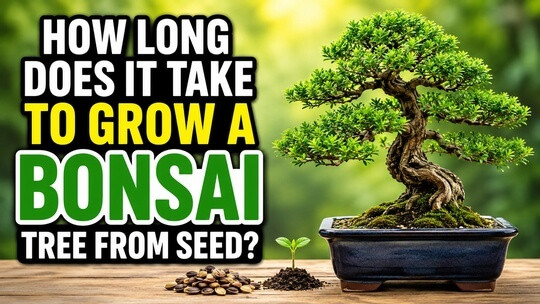
How Long Does It Take to Grow a Bonsai Tree from Seed?
Growing a bonsai tree from seed is one of the most rewarding ways to create a bonsai, but it requires patience. Unlike purchasing an established bonsai tree, starting from seed allows you to control the tree's development from the very beginning.
So, how long does it actually take to grow a bonsai tree from seed? In most cases, it takes approximately 5 to 10 years to develop a young tree that begins to have the appearance of a traditional bonsai. Creating a mature, highly refined bonsai can take 10 to 20 years or longer, depending on the tree species, growing conditions, and training methods.
The good news is that the process itself is part of the enjoyment. Each year brings new opportunities to shape, prune, and develop your tree.
How Long Does a Bonsai Tree Take to Grow From Seed?
There isn't one exact timeline for every bonsai tree. Bonsai is a method of growing and training trees rather than a particular species, so growth rates vary considerably.
A general timeline looks something like this:
- 0–1 year: Seeds germinate and develop into young seedlings.
- 1–3 years: Seedlings establish stronger trunks, branches, and root systems.
- 3–5 years: Early bonsai training and shaping can become more noticeable.
- 5–10 years: The tree can begin developing the proportions and appearance associated with bonsai.
- 10+ years: Continued pruning, wiring, root work, and training can produce a more mature and refined bonsai.
Some fast-growing species may develop considerably faster, while slow-growing trees can require many additional years.
Does Bonsai Grow Slowly From Seed?
A bonsai tree isn't necessarily genetically smaller or slower growing simply because it is being grown as a bonsai.
When started from seed, the young tree initially grows much like a normal seedling of its species. Its eventual compact appearance comes from careful cultivation techniques such as pruning, root management, wiring, and growing it in a controlled container.
In fact, growers frequently allow young trees to grow relatively freely during their first several years. Allowing vigorous growth helps the trunk become thicker faster.
Trying to keep a one-year-old seedling extremely small can actually slow down the development of a convincing bonsai.
How Long Do Bonsai Seeds Take to Germinate?
Germination time depends heavily on the species.
Some seeds may germinate within several weeks, while others require months of preparation before they begin growing. Many temperate tree species naturally experience winter before germinating in spring.
These seeds may require cold stratification, which involves exposing moist seeds to a period of cold temperatures that mimics natural winter conditions.
Depending on the species, seed preparation might include:
- Soaking seeds in water before sowing
- Cold stratification
- Warm stratification
- Scarification of hard seed coats
- Direct sowing without pretreatment
Always research the germination requirements of the particular tree species you're growing.
The First Year: Germinating Your Bonsai Seeds
The first stage is getting healthy seedlings established.
Use a suitable seed-starting medium that drains well while still retaining enough moisture for germination. Plant seeds at the recommended depth for the species and keep the growing medium consistently moist without allowing it to become waterlogged.
Light and temperature requirements also vary between species.
Once seedlings emerge, provide adequate light so they develop sturdy stems rather than becoming thin and stretched.
During this first year, concentrate primarily on keeping the seedlings healthy. Major bonsai training generally isn't necessary yet.
Years 1–3: Developing the Young Tree
During the next several years, your seedling begins transitioning into a young tree.
At this stage, growers usually focus on developing:
- A healthy root system
- A thicker trunk
- Strong branches
- Good overall vigor
- The beginnings of an attractive trunk shape
Young trees may be grown in larger containers or training pots rather than immediately placing them into shallow decorative bonsai pots.
More growing space generally encourages faster development.
Depending on the species and size of the tree, you may also begin selecting branches and performing limited pruning.
Years 3–5: Beginning Bonsai Training
By approximately the third to fifth year, many trees are large enough for more deliberate bonsai training.
This is when you may begin making decisions about the tree's future design.
Training techniques can include:
- Selective branch pruning
- Wiring young branches
- Choosing the primary trunk line
- Removing unwanted growth
- Encouraging branching
- Root pruning when appropriate
Training should be gradual. Removing too much foliage or too many roots at once can weaken a young tree.
Years 5–10: Developing the Bonsai Appearance
After five or more years, the results of your patience can become increasingly obvious.
The trunk should be thicker, branches more developed, and the overall structure more defined. Continued pruning encourages smaller branches and finer ramification, helping create the miniature-tree appearance associated with bonsai.
The tree may eventually be moved into a shallower bonsai pot once sufficient trunk and root development have occurred.
Even at this point, however, the bonsai isn't truly "finished."
Bonsai trees continually change and require ongoing care throughout their lives.
How Can You Make a Bonsai Tree Grow Faster?
You can't turn a ten-year process into a few months, but good growing practices can help young trees develop faster.
Give Young Trees Room to Grow
Keeping a very young tree in an extremely small bonsai pot can restrict growth.
Using a larger training container during the development stage can encourage stronger roots and faster trunk development.
Provide Plenty of Light
Most tree species need abundant light for vigorous growth. Outdoor species generally perform best outdoors under the appropriate sunlight conditions for that particular species.
Fertilize Appropriately
Young, actively growing trees need nutrients.
Use an appropriate fertilizer during the growing season according to the requirements of the species and the fertilizer manufacturer's directions.
Avoid Excessive Early Pruning
Constantly cutting back a young seedling can significantly slow trunk development.
Allowing periods of unrestricted growth can help the trunk thicken before the tree receives more detailed training.
Maintain Healthy Roots
Healthy roots support healthy above-ground growth.
Use a well-draining growing medium and avoid keeping the roots constantly saturated.
Which Trees Are Good for Growing Bonsai From Seed?
Many different tree species can be trained as bonsai. Popular choices include:
- Japanese Maple
- Trident Maple
- Japanese Black Pine
- Scots Pine
- Chinese Elm
- Juniper
- Dawn Redwood
- Bald Cypress
- Crabapple
- Beech
- Ginkgo
- Wisteria
The best species for you depends partly on your climate and where you intend to grow the tree.
Remember that many traditional bonsai species are outdoor trees. Growing them in small containers does not automatically turn them into houseplants.
Is Growing Bonsai From Seed Difficult?
Growing bonsai from seed isn't necessarily difficult, but it requires consistency and patience.
The biggest challenge is simply the amount of time involved. You'll need to maintain the tree through germination, seedling development, transplanting, pruning, wiring, and years of continued training.
Starting several seeds rather than just one can be beneficial. Not every seed will germinate, and not every seedling will develop into an ideal bonsai candidate.
Multiple seedlings also allow you to experiment with different trunk shapes and training techniques.
Is It Better to Grow Bonsai From Seed or Buy a Young Tree?
Both approaches have advantages.
Starting from seed gives you complete control over the tree's development. You can influence the trunk and root structure while the plant is extremely young, and there is something especially satisfying about eventually owning a bonsai you've grown from its earliest stage.
The disadvantage is time.
If you want to begin pruning and styling immediately, purchasing a young nursery tree, pre-bonsai, or established bonsai may be a better option.
Many bonsai enthusiasts do both: maintain established trees while simultaneously growing new trees from seed.
Can You Grow Bonsai Seeds Indoors?
It depends on the species.
Tropical and subtropical trees may be suitable for indoor cultivation when provided with adequate light, temperature, and humidity.
Temperate species such as maples, pines, and many deciduous trees generally need outdoor seasonal conditions, including a winter dormancy period.
Always choose growing conditions based on the actual requirements of the tree species rather than the fact that it is being trained as bonsai.
When Should You Start Shaping a Bonsai Seedling?
There is no universal age for beginning bonsai training.
Some gentle trunk shaping can sometimes begin while trees are young and flexible. More significant pruning, wiring, and root work should wait until the seedling is healthy and established enough to tolerate it.
The species, trunk thickness, growth rate, and health of the tree are more important than its exact age.
Why Growing Bonsai From Seed Is Worth the Wait
One of the greatest advantages of starting bonsai from seed is watching the entire transformation happen.
You begin with something incredibly small—a seed—and gradually develop it into a tree with its own character.
Growing from seed also gives you opportunities to influence characteristics that may already be established when purchasing an older tree, including trunk movement, root structure, branch placement, and overall style.
The process requires patience, but bonsai itself is a long-term hobby.
Final Thoughts
So, how long does it take to grow a bonsai tree from seed?
Expect approximately 5 to 10 years before a seed-grown tree begins developing the appearance of a well-established bonsai, with 10 to 20 years or more needed for a highly mature and refined specimen.
Don't let the timeline discourage you. You don't have to wait ten years to enjoy the tree. Germinating the seeds, watching seedlings emerge, developing the trunk, selecting branches, and gradually shaping the tree are all parts of the bonsai experience.
Start with healthy seeds, learn the germination requirements of your chosen species, provide excellent growing conditions, and give your young trees plenty of time to develop.
With patience and consistent care, the tiny seed you plant today can eventually become a bonsai that you can enjoy for decades.