
Posted by TJ Hopkins on Sep 27th 2026
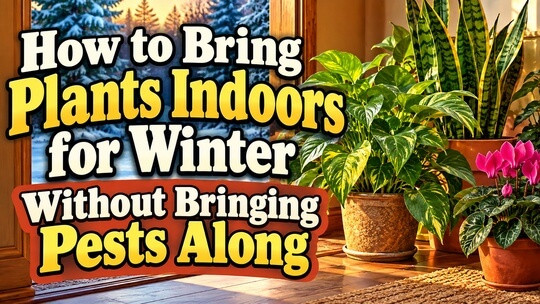
How to Bring Plants Indoors for Winter Without Bringing Pests Along
Houseplants that spent the summer outdoors can bring unwanted guests inside with them. Aphids, spider mites, mealybugs, and other pests may hide beneath leaves or along stems. Insects can also shelter around pots and saucers. Before you move your plants in for winter, give each one a careful inspection and a little cleanup.
Bring Plants In Before Cold Weather Arrives
Start preparing your plants before the first frost. Many tropical houseplants can suffer damage when nighttime temperatures drop into the 40s or low 50s °F. Check the needs of each plant so you know which ones must come inside first.
Preparing early also gives you time to find and address pests before the plants join your indoor collection.
Inspect Leaves and Stems Closely
Look at every plant in bright light. Turn leaves over and check where leaves meet stems, around flower buds, and on new growth. Watch for tiny insects, fine webbing, white cottony patches, sticky residue, or raised bumps.
A plant can look healthy from a distance while pests remain hidden underneath its leaves. If you find a problem, keep that plant separate until you have addressed it.
Clean the Plant and Its Container
Remove dead leaves and other debris from the soil surface. Wipe down the pot, its rim, and its saucer. Check around drainage holes, where small creatures may hide.
For plants that tolerate it, gently rinse the leaves and stems with water, including the undersides of leaves. Let the pot drain well afterward. Use a light touch with delicate plants and avoid soaking fuzzy leaves that may be damaged by water sitting on them.
Watch for Pests in the Soil
When you move a pot, look at the soil surface. If small flies rise from it, fungus gnats may be present. Clear away decaying leaves and avoid keeping the potting mix constantly wet.
You do not need to replace the soil in every outdoor plant. Focus on pots showing signs of a problem, and continue watching them after they come inside.
Address Pests Before Moving Plants Near Others
A gentle spray of water can remove some visible, soft bodied insects. For a larger or persistent infestation, choose a treatment labeled for both the pest and the plant, and follow its directions. Inspect the plant again afterward, since a single cleaning may miss insects or eggs.
Do not place an infested plant beside healthy houseplants and hope the problem will disappear on its own. Pests can spread quickly indoors.
Keep Returning Plants Separate for a While
Give plants that spent the summer outdoors a separate spot for a couple of weeks. Check them whenever you water, especially beneath leaves and around new growth. This waiting period helps you catch pests that were too small to notice during the first inspection.
Once the plants appear healthy, you can move them into their usual winter locations.
Help Plants Adjust to Life Indoors
Indoor light, air, and watering needs differ from outdoor conditions. Place each plant where it will receive suitable light, away from cold drafts and heating vents. Check the soil before watering instead of following the same schedule you used outside.
Some leaf yellowing or drop can happen as a plant adjusts. Keep inspecting it, though, so you can tell the difference between a normal adjustment and a growing pest problem.
A Simple Fall Routine Makes a Difference
Bringing plants indoors for winter does not have to be complicated. Move them before damaging cold arrives, inspect leaves and pots, clean up debris, and keep them separate from other houseplants at first. A few careful checks now can help your plants settle in and keep pests from spreading through your home.