
Posted by TJ Hopkins on Aug 29th 2026
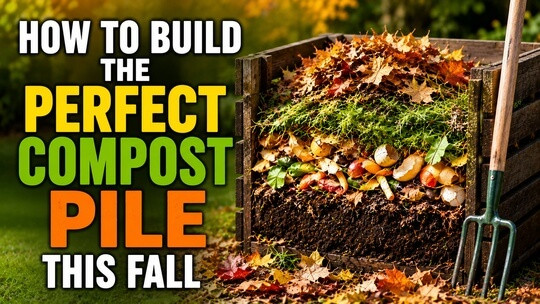
How to Build the Perfect Compost Pile This Fall
Fall is one of the best times to start a compost pile. Gardens are winding down, leaves are falling, and plenty of natural materials are available around the yard. Instead of throwing these materials away, you can transform them into rich compost that improves your garden soil.
A properly built fall compost pile can continue breaking down through the colder months and provide valuable organic matter for your garden in spring.
Why Start a Compost Pile in Fall?
Autumn provides an ideal combination of the two main ingredients needed for composting: carbon-rich brown materials and nitrogen-rich green materials.
Fallen leaves, dried plants, and small twigs supply carbon, while grass clippings, vegetable scraps, and fresh garden waste provide nitrogen. Collecting these materials in fall makes it easier to build a balanced pile without purchasing anything.
Composting also reduces the amount of yard waste sent to landfills and returns valuable nutrients to the soil.
Choose the Right Location
Select a level, well-drained area that is easy to reach throughout the year. A location with partial sunlight is usually best because some warmth helps decomposition without causing the pile to dry out too quickly.
Whenever possible, build the pile directly on bare ground. This allows worms and beneficial microorganisms to enter the compost naturally.
Avoid placing the pile directly against a wooden fence, building, or tree trunk. Leave enough room around it for airflow and turning.
Make the Pile Large Enough
A compost pile should ideally measure approximately three feet wide, three feet deep, and three feet tall. This size is large enough to retain heat while still allowing air to move through the materials.
A much smaller pile may not heat up effectively. An oversized pile can become compacted and difficult to turn.
You can create a simple freestanding pile or contain it using a compost bin, wooden pallets, wire fencing, or another structure that allows airflow.
Gather Brown Materials
Brown materials provide carbon, which supplies energy to the microorganisms responsible for decomposition.
Good fall brown materials include:
- Dry fallen leaves
- Shredded cardboard
- Plain paper
- Straw
- Small twigs
- Dried garden plants
- Untreated wood chips
- Pine needles
- Cornstalks
Shredding or chopping large materials helps them break down faster. Running a lawn mower over fallen leaves is an easy way to reduce their size.
Gather Green Materials
Green materials provide nitrogen, which helps microorganisms grow and reproduce.
Useful green materials include:
- Fresh grass clippings
- Fruit and vegetable scraps
- Coffee grounds
- Tea leaves
- Fresh garden trimmings
- Plant-based kitchen scraps
- Manure from herbivorous animals
- Healthy green plants
Although these materials are called “greens,” they do not always have to be green in color. Coffee grounds, for example, are considered a nitrogen-rich green material.
Balance Brown and Green Ingredients
A healthy compost pile needs more brown material than green material. A practical starting point is approximately two or three parts brown material for every one part green material.
Too much green material can make the pile wet, compacted, and unpleasant-smelling. Too much brown material can cause decomposition to happen very slowly.
You do not need to measure everything precisely. Aim for a pile dominated by dry leaves and other brown materials, with thinner amounts of green material distributed throughout it.
Build the Compost Pile in Layers
Begin with a loose layer of small sticks, coarse plant stems, or other bulky materials. This base creates air pockets and improves drainage.
Add a layer of brown materials, followed by a thinner layer of green materials. Continue alternating the ingredients until the pile reaches the desired size.
Sprinkle a small amount of finished compost or ordinary garden soil between some of the layers. This introduces microorganisms that help begin the decomposition process.
Mixing the layers slightly can encourage faster composting, but the materials do not need to be perfectly blended when the pile is first built.
Add the Right Amount of Moisture
The compost pile should feel like a wrung-out sponge. It should be evenly damp without releasing water when squeezed.
Water dry materials as you build the pile. Fall leaves can repel water when they are extremely dry, so adding moisture to each layer helps ensure that the center of the pile does not remain dry.
Cover the pile during extended periods of heavy rain. If it becomes too wet, mix in additional shredded leaves, cardboard, or another absorbent brown material.
Keep Air Moving Through the Pile
The organisms that produce healthy compost need oxygen. Turning the pile prevents compaction and introduces fresh air.
Use a garden fork or compost aerator to turn the materials every one or two weeks while the weather remains mild. Move materials from the outside toward the center and bring materials from the center toward the outside.
The pile will still decompose if you turn it less frequently, but the process will take longer.
Save Extra Fall Leaves
Fallen leaves are one of the most useful composting materials, but they often become available all at once. Store extra dry leaves in bags, bins, or a covered pile for use throughout the year.
Add the stored leaves whenever the compost becomes too wet or contains too many kitchen scraps and other green materials.
Having a supply of dry leaves makes it much easier to maintain the correct balance during winter and spring.
What Not to Put in Your Compost
Some materials can attract pests, introduce harmful substances, or spread diseases throughout the garden.
Avoid adding:
- Meat, fish, or bones
- Dairy products
- Grease and cooking oil
- Pet waste
- Diseased plants
- Weeds containing mature seeds
- Pressure-treated or painted wood
- Glossy or coated paper
- Charcoal ash
- Plants treated with persistent herbicides
- Large branches
- Invasive plant roots
Home compost piles may not become hot enough to destroy plant diseases or weed seeds. When in doubt, dispose of questionable material another way.
Troubleshooting Common Compost Problems
A strong, unpleasant odor usually means the pile is too wet, compacted, or rich in nitrogen. Turn the pile and mix in dry leaves or shredded cardboard.
If the pile is not breaking down, it may be too dry, too small, or made almost entirely from brown materials. Add water, green materials, or more volume as needed.
Visible food scraps can attract animals. Bury kitchen scraps near the center of the pile and cover them with several inches of leaves.
A healthy compost pile should have a mild, earthy smell.
Composting During Winter
Decomposition slows considerably when temperatures fall, but it does not necessarily stop completely. The center of a large, well-built pile may remain active during part of the winter.
Continue adding kitchen scraps when practical. Each time you add scraps, cover them thoroughly with saved leaves or another brown material.
Avoid turning a frozen pile. Wait until it thaws in late winter or early spring, and then mix the materials to restart active decomposition.
How to Know When Compost Is Finished
Finished compost is dark, crumbly, and earthy-smelling. Most of the original ingredients should no longer be recognizable, although a few small twigs or pieces of leaves may remain.
Depending on the materials, weather, moisture level, and turning schedule, a fall compost pile may be ready during the following spring or summer.
Sift out larger unfinished pieces and return them to the pile. Use the finished compost around trees, vegetables, flowers, shrubs, and container plants.
Using Your Finished Compost
Spread finished compost over garden beds to improve soil structure and support beneficial soil life. You can also mix it into planting holes, apply it around established plants, or use it as a light top dressing on lawns.
Compost improves moisture retention in sandy soil and helps loosen dense clay soil. It also provides nutrients gradually, making it a valuable addition to nearly every garden.
Final Thoughts
Building the perfect compost pile this fall begins with collecting the materials already available in your yard and kitchen. Combine plenty of dry brown ingredients with nitrogen-rich green materials, maintain consistent moisture, and turn the pile occasionally to provide oxygen.
With a little patience, this mixture of fallen leaves, garden debris, and kitchen scraps will become dark, nutrient-rich compost that helps create a healthier and more productive garden.