
Posted by TJ Hopkins on Jun 23rd 2026
How to Create Your Own Butterfly Garden
Butterfly gardens are a wonderful way to add color, life, and movement to your yard while helping important pollinators thrive. By planting the right flowers and creating a welcoming habitat, you can attract butterflies throughout the growing season and enjoy watching them visit your garden every day.
Why Plant a Butterfly Garden?
Butterflies are more than just beautiful insects. They help pollinate flowers, support local ecosystems, and serve as indicators of a healthy environment. Creating a butterfly garden also benefits bees, hummingbirds, and many other pollinators.
Whether you have a large backyard or a small flower bed, you can create a space that butterflies will love.
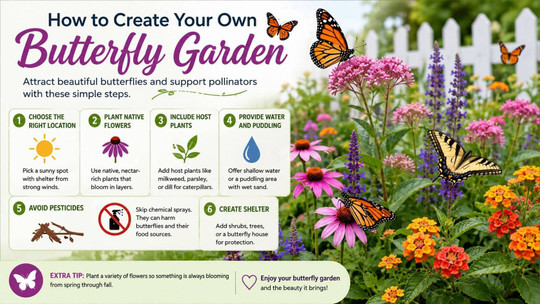
1. Choose the Right Location
Butterflies prefer sunny locations. Select an area that receives at least six hours of sunlight each day. Since butterflies are delicate fliers, choose a spot that is protected from strong winds by fences, shrubs, or buildings.
A warm, sheltered area allows butterflies to feed, rest, and bask in the sun.
2. Plant Native Flowers
Native flowers are often the best choice because local butterflies have evolved alongside them. Select nectar-rich flowers that bloom at different times throughout the season to provide a continuous food source.
Popular butterfly-friendly flowers include:
- Coneflowers
- Black-eyed Susans
- Bee balm
- Lantana
- Milkweed
- Asters
- Salvia
Planting a variety of colors and flower shapes helps attract many different butterfly species.
3. Include Host Plants
Adult butterflies need nectar, but caterpillars require specific plants to eat. These host plants allow butterflies to lay eggs and complete their life cycle.
Examples include:
- Milkweed for monarch butterflies
- Parsley and dill for swallowtails
- Fennel for black swallowtails
- Violets for fritillaries
Without host plants, butterflies may visit your garden briefly but will not stay and reproduce.
4. Provide Water and Puddling Areas
Butterflies need water, but they prefer shallow moisture rather than deep bird baths. Create a puddling area by filling a shallow dish with sand and keeping it moist.
Flat stones placed in sunny areas also provide resting spots where butterflies can warm themselves.
5. Avoid Pesticides
Chemical pesticides can harm butterflies, caterpillars, bees, and other beneficial insects. Even products labeled for garden use may negatively affect pollinators.
Instead, encourage natural predators, hand-pick pests when necessary, and allow your garden to maintain a natural balance.
6. Create Shelter
Butterflies need protection from rain, wind, and predators. Shrubs, ornamental grasses, small trees, and dense plantings provide safe places to rest.
Some gardeners also install butterfly houses, although natural shelter from plants is often the most effective option.
Extra Tip: Keep Something Blooming
Plan your garden so that flowers bloom from spring through fall. Early bloomers provide food when butterflies first emerge, while late-season flowers help migrating species prepare for winter or long journeys.
A continuous supply of nectar keeps butterflies visiting your garden for months.
Best Plants for Butterfly Gardens
- Milkweed
- Purple Coneflower
- Bee Balm
- Butterfly Bush
- Lantana
- Black-Eyed Susan
- Salvia
- Zinnias
- Asters
- Joe-Pye Weed
Final Thoughts
Creating a butterfly garden is simple, rewarding, and beneficial for the environment. By providing sunlight, nectar plants, host plants, water, and shelter, you can turn any garden into a haven for butterflies and other pollinators.
With a little planning, your yard can become a colorful, living landscape filled with butterflies from spring until fall.