
Posted by TJ Hopkins on Jul 19th 2026
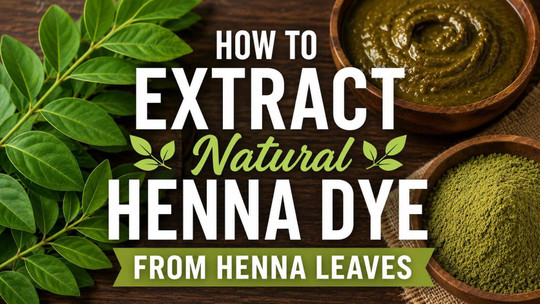
How to Extract Natural Henna Dye from Henna Leaves
Henna has been used for thousands of years as a natural dye for skin, hair, fabrics, and artwork. The dye comes from the leaves of the henna plant (Lawsonia inermis), which contain a natural orange-red pigment called lawsone. Whether you're interested in making homemade hair dye, creating body art paste, or learning about traditional natural dyes, extracting henna from fresh leaves is a simple and rewarding process.
What Is Henna?
Henna is a flowering shrub native to North Africa, the Middle East, and South Asia. Its leaves are harvested, dried, and ground into a fine powder that releases a rich natural dye when mixed with liquid.
The intensity of the color depends on:
- Freshness of the leaves
- Growing conditions
- Drying method
- Extraction time
- Temperature
- Acidity of the mixture
Materials You'll Need
- Fresh henna leaves
- Clean water
- Blender, food processor, or mortar and pestle
- Fine mesh strainer or cheesecloth
- Glass or ceramic bowl
- Spoon
- Lemon juice or apple cider vinegar (optional)
- Airtight container
Step 1: Harvest Fresh Henna Leaves
Pick healthy, mature green leaves from a henna shrub.
Choose leaves that are:
- Bright green
- Free from insects
- Disease-free
- Fully developed
Avoid yellowing or damaged leaves, as they produce weaker dye.
Step 2: Wash the Leaves
Rinse the leaves thoroughly under cool water to remove:
- Dust
- Dirt
- Sand
- Insects
Allow excess water to drain before processing.
Step 3: Crush the Leaves
Break down the leaves into a fine paste using one of the following methods:
Blender
Add a small amount of water and blend until smooth.
Mortar and Pestle
Grind the leaves into a thick green paste.
Food Processor
Pulse until the leaves become finely chopped before adding a little water.
The finer the paste, the more dye will be released.
Step 4: Release the Dye
Place the paste into a glass bowl.
For better dye release, mix in a small amount of:
- Lemon juice
- Apple cider vinegar
The mild acidity helps release the lawsone pigment from the leaf cells.
Cover the bowl and let it rest for:
6–12 hours
Warm room temperatures usually produce better dye extraction.
Step 5: Strain the Mixture
After the resting period, strain the paste through:
- Cheesecloth
- Fine mesh strainer
- Nut milk bag
Squeeze firmly to remove as much liquid as possible.
The resulting liquid contains concentrated natural henna dye.
Step 6: Concentrate the Dye (Optional)
For a stronger dye:
- Simmer the liquid over very low heat.
- Do not boil vigorously.
- Reduce until it reaches your desired thickness.
This creates a richer, more concentrated dye suitable for hair or fabric projects.
Making Traditional Henna Paste
To create body art or hair dye paste, combine:
- Henna powder or fresh leaf paste
- Warm water
- Lemon juice
- A small amount of sugar (optional)
- A few drops of essential oils like lavender or tea tree (optional)
Allow the mixture to rest for several hours before use for maximum color release.
How Long Does the Dye Last?
Fresh henna dye can be stored:
- 2–3 days in the refrigerator
- Up to 6 months in the freezer
Freeze in small portions for convenient future use.
Tips for the Best Results
- Harvest mature leaves.
- Use non-metal bowls when possible.
- Allow enough resting time for full dye release.
- Keep the mixture warm during extraction.
- Use fresh leaves for the strongest pigment.
Common Uses for Natural Henna Dye
Henna is commonly used for:
- Natural hair coloring
- Temporary skin art (mehndi)
- Dyeing wool and natural fabrics
- Coloring leather
- Handmade crafts
- Traditional cultural ceremonies
Frequently Asked Questions
Can I use fresh leaves instead of henna powder?
Yes. Fresh leaves can be crushed into a paste and extracted directly, although dried powder is more concentrated and easier to store.
Why isn't my henna very dark?
Color intensity depends on leaf quality, extraction time, temperature, and acidity. Fresh, mature leaves and a longer dye-release period generally produce richer color.
Is natural henna safe?
Pure natural henna is generally considered safe for most people. However, perform a small patch test before applying it to your skin or hair to check for sensitivity. Avoid products marketed as "black henna," which may contain added chemicals that can cause severe allergic reactions.
Final Thoughts
Extracting natural henna dye from fresh leaves is a traditional process that transforms simple green foliage into a vibrant, long-lasting natural colorant. With just a few basic tools, a little patience, and healthy henna leaves, you can create your own dye for hair, body art, fabrics, and crafts while avoiding many of the synthetic ingredients found in commercial dyes.