
Posted by TJ Hopkins on Jul 16th 2026
How to Find and Harvest Chaga Mushrooms in the Wild
Chaga mushrooms (Inonotus obliquus) are one of the most sought-after wild medicinal fungi in the world. Growing primarily on birch trees in cold northern forests, Chaga has been used for centuries in traditional herbal medicine and is commonly brewed into tea or ground into powder. If you're interested in foraging, learning how to identify and harvest Chaga responsibly is essential for preserving both the mushroom and the forest.
What Is Chaga?
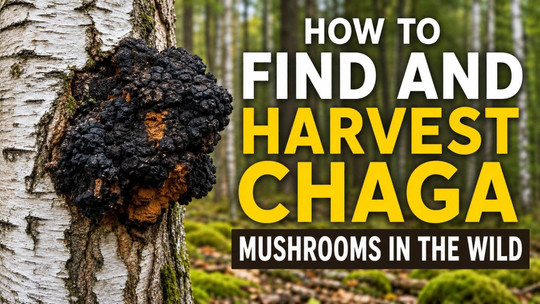
Chaga is a parasitic fungus that infects living birch trees. Instead of looking like a typical mushroom with a cap and stem, it forms a hard, charcoal-black mass on the outside of the tree. Beneath the black crust is a rich golden-orange interior that contains the compounds Chaga is prized for.
Unlike many mushrooms that grow from the ground or fallen logs, Chaga develops directly from the trunk of living trees and can take years to reach harvestable size.
Where Does Chaga Grow?
Chaga thrives in cold climates across the Northern Hemisphere.
Common regions include:
- Northern United States
- Canada
- Alaska
- Scandinavia
- Russia
- Northern Europe
It is most commonly found growing on:
- White Birch
- Yellow Birch
- Paper Birch
- Silver Birch
Healthy, mature birch forests provide the best chance of finding Chaga.
Best Time to Harvest Chaga
Although Chaga can be harvested year-round, the best seasons are:
- Late fall
- Winter
- Early spring
These cooler months make Chaga easier to spot after leaves have fallen, and many foragers believe the fungus contains higher concentrations of beneficial compounds during the dormant season.
How to Identify Chaga
When searching for Chaga, look for these key features:
- Rough, cracked black exterior resembling burnt charcoal
- Bright orange or rust-colored interior when broken open
- Hard, woody texture
- Usually found several feet above the ground
- Growing only on living birch trees
Avoid These Look-Alikes
Not every black growth on a tree is Chaga.
Do not confuse it with:
- Burn scars
- Tree burls
- Other shelf fungi
- Dead wood decay fungi
True Chaga always has a dark exterior with a golden-brown interior and grows from living birch bark.
Tools You'll Need
Bring a few basic tools when harvesting:
- Small hatchet
- Sharp chisel
- Folding saw
- Work gloves
- Backpack or collection bag
- Small brush for cleaning debris
How to Harvest Chaga Responsibly
Responsible harvesting helps ensure future growth.
Follow these steps:
- Locate a healthy Chaga conk on a living birch.
- Remove only 25–50% of the Chaga.
- Leave part of the fungus attached to the tree.
- Avoid damaging excessive bark.
- Never harvest from dead trees.
- Skip very small Chaga growths and allow them to mature.
Leaving part of the Chaga behind gives it a chance to continue growing for several more years.
Cleaning Chaga
Once home:
- Brush away dirt and loose bark.
- Remove insects or decayed portions.
- Do not soak in water unless necessary.
- Allow the Chaga to dry completely before storage.
Drying Chaga
Fresh Chaga contains moisture that should be removed before long-term storage.
You can:
- Air dry in a warm, dry location
- Use a food dehydrator at low temperatures (below 120°F / 49°C)
Large pieces may take several days to dry completely.
How to Store Chaga
Properly dried Chaga can last for years.
Store it in:
- Glass jars
- Paper bags
- Airtight containers
Keep it in a cool, dark, dry location away from moisture.
Common Uses for Chaga
Many people use Chaga for:
- Herbal tea
- Mushroom coffee blends
- Powdered supplements
- Tinctures
- Extracts
Its earthy, slightly vanilla-like flavor makes it popular as a warming beverage.
Sustainable Foraging Tips
Help protect natural forests by following these guidelines:
- Harvest only what you'll use.
- Leave some Chaga on every tree.
- Respect private property.
- Follow local harvesting regulations.
- Avoid harvesting in protected parks or preserves.
- Never strip an entire tree of Chaga.
Responsible foraging helps ensure future generations can enjoy this remarkable fungus.
Frequently Asked Questions
Can Chaga grow on dead birch trees?
Chaga may remain attached after a tree dies, but medicinal-quality Chaga should only be harvested from living birch trees.
How long does Chaga take to grow?
A harvestable Chaga conk may take 10 to 20 years to develop.
Can I eat Chaga raw?
Chaga is extremely hard and is generally not eaten raw. It is usually brewed into tea or processed into powders and extracts.
Is Chaga rare?
In some regions, heavy harvesting has reduced natural populations. Always forage responsibly and check local regulations.
Final Thoughts
Finding Chaga mushrooms in the wild is a rewarding experience that combines outdoor adventure with sustainable foraging. By learning to identify genuine Chaga, harvesting only from healthy living birch trees, and leaving enough behind for continued growth, you can enjoy this unique medicinal fungus while helping preserve forest ecosystems. Whether you brew it into tea or use it in homemade extracts, responsibly harvested Chaga is one of nature's most fascinating gifts.