
Posted by TJ Hopkins on Nov 23rd 2026
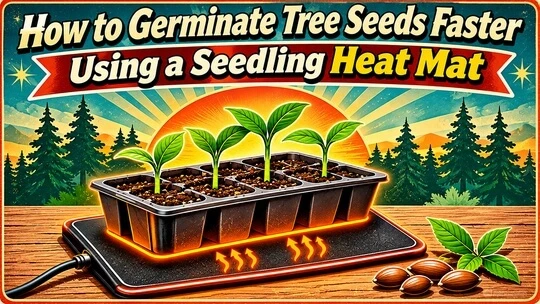
How to Germinate Tree Seeds Faster Using a Seedling Heat Mat
Growing trees from seeds is one of the most rewarding ways to start a garden, create a backyard forest, or establish a collection of beautiful trees. However, germinating tree seeds can sometimes require patience, especially when certain species need consistently warm soil temperatures to begin growing. One of the easiest ways to improve germination conditions and potentially speed up the process is by using a seedling heat mat.
A seedling heat mat provides gentle, consistent warmth beneath seed trays and growing containers, helping maintain favorable soil temperatures for germination. Whether you're growing tropical trees, ornamental trees, fruit trees, or other warmth-loving species, a heat mat can help create a more controlled environment for successful seed starting.
In this guide, you'll learn how seedling heat mats work, which tree seeds benefit from additional warmth, the best soil temperatures for germination, and how to use a heat mat correctly to grow healthy young trees.
What Is a Seedling Heat Mat?
A seedling heat mat is an electrically powered heating pad designed specifically for seed germination and plant propagation. It sits underneath seed trays, pots, or growing containers and gently warms the growing medium.
Unlike ordinary household heating pads, seedling heat mats are designed to provide steady warmth for plant-growing applications.
Most standard seedling heat mats are designed to raise the temperature of the growing medium approximately 10–20°F above the surrounding room temperature, although actual results depend on the mat, containers, insulation, and room conditions.
Many gardeners use seedling heat mats during winter and early spring when indoor temperatures are cooler than the ideal germination temperatures for certain tree species.
Benefits of using a seedling heat mat include:
-
Helps maintain consistent soil temperatures.
-
Can accelerate germination for warmth-loving tree seeds.
-
Reduces temperature fluctuations during cold nights.
-
Creates favorable conditions for tropical and subtropical tree seeds.
-
Makes indoor seed starting easier during winter.
-
Helps gardeners control growing conditions.
-
Can improve germination percentages when temperature is the limiting factor.
The biggest advantage is consistency. Seeds that require warm conditions often germinate more reliably when their growing medium stays within the appropriate temperature range.
Why Soil Temperature Matters for Tree Seed Germination
Temperature plays an important role in the biological processes that allow seeds to germinate.
Inside every viable tree seed is a living embryo waiting for suitable environmental conditions. When the seed receives the correct combination of moisture, oxygen, temperature, and any required pretreatment, germination can begin.
Warmth influences enzyme activity, metabolism, and the development of emerging roots.
However, different tree species have different temperature requirements.
Some tropical tree seeds germinate best in warm conditions, while many temperate tree seeds require a period of cold stratification before they are ready to grow.
A seedling heat mat works best when the seeds have already received any necessary pretreatment and are ready for warm germination conditions.
For example, seeds from certain maple, oak, and other temperate trees may require cold stratification. Placing these seeds directly onto a heat mat without completing their dormancy requirements may not improve germination.
Understanding the needs of each tree species is essential before using additional heat.
1. Choose the Right Seedling Heat Mat
The first step is selecting a seedling heat mat suitable for your growing setup.
Seedling heat mats come in several sizes, ranging from small models designed for individual propagation trays to larger mats that accommodate multiple seed trays.
For most home gardeners, a standard heat mat that fits beneath a seed-starting tray is sufficient.
Look for the following features:
-
Waterproof or water-resistant construction suitable for seed starting.
-
Even heat distribution across the growing surface.
-
Durable materials designed for prolonged operation.
-
Compatibility with standard seed trays.
-
A thermostat controller or compatibility with an external thermostat.
-
Appropriate electrical safety certification.
A seedling heat mat with a digital thermostat is particularly useful for growing tree seeds.
A thermostat allows you to set a target temperature and monitor the growing medium more accurately.
This is especially important when germinating tropical tree seeds that benefit from a narrow temperature range.
2. Prepare Your Tree Seeds Before Planting
Before placing tree seeds on a heat mat, determine whether they require special germination treatments.
Different tree species have evolved different mechanisms that regulate when their seeds begin growing.
Some germinate readily after soaking, while others require scarification, cold stratification, or other treatments.
Common tree seed preparation methods include:
Water Soaking: Some tree seeds benefit from soaking in water for 12–48 hours before planting. Soaking helps hydrate the seed and may soften certain seed coats.
Scarification: Seeds with hard, water-resistant shells may require gentle sanding, filing, or nicking to allow moisture to penetrate.
Cold Stratification: Many temperate tree seeds require several weeks or months of moist chilling to overcome dormancy.
Warm Stratification: Certain tree species require a period of moist warmth before cold stratification or germination.
Direct Sowing: Some freshly collected tree seeds can be planted without extensive pretreatment.
Always research the specific requirements of the tree species you're growing.
A heat mat cannot replace scarification or stratification when those treatments are necessary.
3. Use a Quality Seed-Starting Mix
The growing medium you choose can make a significant difference in germination success.
Tree seeds generally benefit from a loose, well-draining growing medium that retains moisture without becoming waterlogged.
A quality seed-starting mix allows developing roots to access oxygen while maintaining the moisture needed for germination.
Popular growing media include:
-
Coconut coir.
-
Peat-based seed-starting mixes.
-
Perlite.
-
Vermiculite.
-
Fine-textured propagation mixes.
A mixture of coconut coir and perlite can provide a useful balance of moisture retention and drainage for many tree species.
Fill your seed trays or containers with the growing medium and moisten it evenly before planting.
The soil should feel damp but should not release excessive water when gently squeezed.
Avoid compacting the growing medium too tightly, as young roots need adequate air circulation.
4. Plant Tree Seeds at the Correct Depth
Planting depth is another important factor in successful germination.
Seeds planted too deeply may struggle to emerge, while seeds planted too close to the surface may dry out before germination.
A common starting guideline is to plant seeds approximately one to two times their diameter deep, but this varies considerably by species.
Very small tree seeds may require only a light covering or surface sowing because some need light to germinate.
Larger seeds may need deeper planting to maintain moisture and support root development.
After planting, gently moisten the growing medium using a spray bottle or fine watering attachment.
This helps settle the soil around the seeds without disturbing their placement.
5. Position the Seed Tray on the Heat Mat
Once your tree seeds are planted, position the seed tray directly on the seedling heat mat according to the manufacturer's instructions.
Place the mat on a stable, dry, level surface away from standing water.
The heat mat should sit beneath the tray rather than inside the growing medium.
For best results:
-
Use a tray or container approved for seed starting.
-
Keep the heat mat flat and unobstructed.
-
Avoid folding or overlapping the mat.
-
Follow the manufacturer's instructions for ventilation and placement.
-
Keep electrical connections protected from water.
-
Use a thermostat to control growing-medium temperature.
If you're using a digital thermostat, insert its temperature probe into the growing medium at approximately the depth of the seeds.
This provides a more useful measurement than monitoring the temperature of the mat itself.
6. Set the Correct Temperature for Your Tree Seeds
One of the most important steps is selecting the appropriate soil temperature.
Different tree species require different germination temperatures, and excessive heat can reduce germination or damage seeds.
For many warmth-loving tree species, a growing-medium temperature between 75°F and 85°F provides favorable conditions.
However, some tropical species benefit from higher temperatures, while certain temperate trees germinate better in cooler conditions.
Recommended Germination Temperatures for Different Tree Seeds
The following ranges are approximate starting points for germination after any required seed pretreatment.
Royal Empress Tree Seeds: 70–80°F. These tiny seeds generally benefit from light during germination.
Moringa Tree Seeds: 75–85°F. Consistent warmth can encourage relatively rapid germination.
Jacaranda Tree Seeds: 70–80°F. Warm growing conditions and evenly moist soil support germination.
Mimosa Tree Seeds: 70–80°F. Scarification can help improve water absorption before planting.
Dragon Fruit Seeds: 75–85°F. Warm temperatures and a consistently moist growing medium encourage germination.
Joshua Tree Seeds: 70–80°F. Good drainage and appropriate moisture are important.
Baobab Tree Seeds: 75–85°F. Scarification or other appropriate seed coat treatment may improve germination.
Eucalyptus Tree Seeds: 65–75°F for many species, although requirements vary. Some species benefit from cooler conditions or pretreatment.
These temperatures are general guidelines rather than universal requirements. Always verify the recommended temperature for the exact species you're planting.
Important: Higher temperatures do not automatically produce faster germination. The goal is to maintain the correct temperature, not the hottest possible temperature.
7. Maintain Consistent Moisture During Germination
Warm soil can dry out faster than soil kept at ordinary room temperature.
Because seedling heat mats increase the temperature of the growing medium, monitoring moisture becomes especially important.
Tree seeds need sufficient moisture to activate germination, but overly saturated conditions can reduce oxygen availability and encourage fungal problems.
Check your growing medium regularly.
The surface may appear dry even when deeper layers retain moisture, so check below the surface before watering.
A spray bottle or fine mister can help moisten the growing medium without displacing small seeds.
For larger containers, gentle bottom watering may also be effective.
The ideal growing medium should remain evenly moist without becoming soggy.
Maintaining this balance supports healthy root development as seeds begin to germinate.
8. Use a Humidity Dome to Help Retain Moisture
A humidity dome can be a useful addition to your seed-starting setup.
Humidity domes are clear plastic covers that fit over seed trays and help reduce moisture loss.
When combined with a heat mat, a humidity dome can create a warm, humid environment suitable for many tree seeds.
Benefits include:
-
Reducing evaporation from the growing medium.
-
Helping maintain consistent moisture.
-
Protecting newly planted seeds from drying out.
-
Creating a more stable germination environment.
However, humidity domes should be monitored carefully.
Excessive condensation and stagnant air can encourage fungal growth.
Ventilate the dome as needed and begin removing it once seedlings emerge, depending on the requirements of the species.
Avoid placing covered trays in direct sunlight, where temperatures can rise rapidly.
9. Provide Proper Lighting After Germination
Most tree seeds do not require intense light before germination, although some species need light to initiate the process.
Once seedlings emerge, adequate lighting becomes essential for healthy growth.
Without sufficient light, seedlings may become tall, thin, and weak as they stretch toward the nearest light source.
A bright windowsill may provide enough light for some seedlings, but indoor grow lights often provide more consistent results during winter.
Full-spectrum LED grow lights are popular because they can provide useful light levels without producing excessive heat.
Position grow lights according to the manufacturer's recommendations and adjust them as seedlings grow.
Many young tree seedlings benefit from approximately 12–16 hours of light per day, although the ideal duration and intensity vary by species.
Providing the right balance of warmth and light encourages sturdy stems and healthy leaf development.
10. Remove Seedlings From the Heat Mat at the Right Time
One common mistake gardeners make is leaving seedlings on a heat mat longer than necessary.
While warmth can help seeds germinate, newly emerged seedlings may not need the same soil temperature.
For many species, slightly cooler conditions after germination encourage compact, healthy growth.
Once most seeds in a tray have germinated, evaluate whether additional bottom heat is still necessary.
You can gradually reduce the thermostat setting or move the seedlings to a suitable growing area.
Tropical tree seedlings may continue to benefit from warmth, especially during winter.
Temperate tree seedlings often grow well at lower temperatures once established.
When different species share a tray, separate them if they require different temperatures after germination.
How Much Faster Can a Heat Mat Germinate Tree Seeds?
The amount of time saved depends on the tree species, seed freshness, pretreatment, moisture, and starting room temperature.
For warmth-loving tree seeds planted in a cool room, a heat mat may substantially reduce germination time by bringing the soil closer to the species' preferred temperature.
For example, seeds that normally germinate within two to four weeks under ideal conditions might take considerably longer when the growing medium is too cool.
Maintaining an appropriate temperature can help them germinate closer to their expected timeline.
However, a heat mat does not guarantee faster germination.
Some tree seeds naturally take several months to germinate, even under favorable conditions.
Other seeds require dormancy-breaking treatments that cannot be replaced by additional warmth.
The most effective approach combines proper seed preparation, suitable growing temperatures, consistent moisture, and patience.
Common Mistakes to Avoid When Using a Seedling Heat Mat
Even though seedling heat mats are relatively simple to use, several common mistakes can interfere with germination.
Setting the Temperature Too High
Excessive heat can damage seeds, dry out the growing medium, and reduce germination rates.
Always follow the recommended temperature range for the species.
Forgetting to Check Soil Moisture
Heated growing media may lose moisture more quickly.
Inspect containers regularly and water when necessary.
Skipping Required Seed Treatments
Some tree seeds require cold stratification, scarification, or other treatments before they can germinate.
Bottom heat alone cannot overcome every type of seed dormancy.
Using Poorly Draining Soil
Compacted or waterlogged soil can limit oxygen around developing roots.
Choose a growing medium with good drainage and aeration.
Removing the Humidity Dome Too Late
Leaving seedlings in excessively humid conditions can increase fungal problems.
Provide ventilation and gradually adjust humidity after germination.
Using a Heat Mat Without Monitoring Temperature
Heat mats can produce different growing-medium temperatures depending on the surrounding environment.
A thermostat and soil temperature probe provide more reliable control.
Can You Use a Seedling Heat Mat During Winter?
Absolutely. Winter is an excellent time to use seedling heat mats for indoor tree seed starting, especially when growing tropical or subtropical species.
Indoor temperatures during November, December, January, and February may be lower than the temperatures needed for warm-season germination.
A seedling heat mat allows gardeners to maintain suitable growing-medium temperatures without heating an entire room.
This can be particularly useful for growing tropical fruit trees, ornamental trees, and other warmth-loving species indoors.
Starting seeds during winter also gives certain slow-growing species additional time to develop before outdoor growing conditions improve.
However, gardeners should consider the mature growing requirements of each species.
Tropical trees may need to remain indoors or in a greenhouse in colder climates, while hardy temperate trees can eventually be moved outdoors after appropriate acclimation.
Do All Tree Seeds Need a Heat Mat?
No. Many tree species germinate successfully without additional bottom heat.
Seeds from numerous temperate trees are naturally adapted to cooler spring soil temperatures.
Examples include certain species of maple, birch, alder, pine, spruce, and fir.
Some of these seeds also require cold stratification before germination.
Using a heat mat for species that prefer cooler conditions may offer little benefit and can sometimes reduce germination success.
Seedling heat mats are most useful for tree seeds that require consistently warm growing conditions.
Before using one, identify the species and determine its preferred germination temperature.
Are Seedling Heat Mats Worth Buying?
For gardeners who regularly grow tree seeds indoors, a quality seedling heat mat can be a worthwhile investment.
It provides greater control over growing-medium temperature and helps create more consistent germination conditions.
This is especially useful for gardeners growing multiple tropical or subtropical tree species throughout the year.
A heat mat with a digital thermostat offers additional flexibility because different species can be started at their preferred temperatures.
Rather than relying on fluctuating household temperatures, gardeners can create a more predictable growing environment.
For anyone interested in growing trees from seeds, a heat mat can become a valuable part of an indoor seed-starting setup.
Frequently Asked Questions About Seedling Heat Mats
What temperature should a heat mat be for tree seeds?
Many warmth-loving tree seeds germinate well at growing-medium temperatures between 75°F and 85°F. However, ideal temperatures vary by species, so always check the specific germination requirements.
Should I leave my seedling heat mat on overnight?
Yes, many seedling heat mats are designed for continuous operation when used according to the manufacturer's instructions. A thermostat helps maintain the desired temperature throughout the day and night.
Can a seedling heat mat get too hot?
Yes. Excessive temperatures can reduce germination rates or damage seeds. Using a thermostat and measuring the temperature inside the growing medium helps prevent overheating.
Do tree seeds germinate faster in warm soil?
Warmth can accelerate germination when soil temperatures are below the species' preferred range. However, additional heat will not necessarily improve germination when temperatures are already optimal.
Should I use a humidity dome with a heat mat?
A humidity dome can help retain moisture and create stable germination conditions. Monitor condensation, provide ventilation, and remove or adjust the dome as seedlings emerge.
How long should tree seeds stay on a heat mat?
Keep the seeds at their recommended germination temperature until they sprout. After emergence, determine whether the species still benefits from bottom heat or should be moved to slightly cooler conditions.
Can I use a heat mat for cold-stratified tree seeds?
Yes, if the species benefits from warm conditions after completing its required cold stratification. The heat mat should be used during the appropriate germination stage, not as a substitute for chilling.
Final Thoughts: Grow Tree Seeds Faster With the Right Temperature
Using a seedling heat mat is one of the simplest ways to create more consistent germination conditions for warmth-loving tree seeds.
By maintaining the correct soil temperature, preparing seeds properly, choosing a well-draining growing medium, and monitoring moisture, gardeners can improve their chances of successful germination.
Whether you're starting tropical fruit trees, beautiful ornamental trees, or unusual exotic species, a heat mat can help provide the controlled warmth many seeds need to begin growing.
Remember that every tree species has unique germination requirements. Some need warm soil, others require cold stratification, and certain species benefit from a combination of treatments.
The secret to germinating tree seeds faster isn't simply adding more heat. It's providing the right temperature, moisture, and growing conditions for each species.
With the proper setup and a little patience, you can turn a collection of tree seeds into healthy young trees ready for years of growth.