
Posted by TJ Hopkins on Jul 20th 2026
How to Grow an African Baobab Tree from Seed at Home
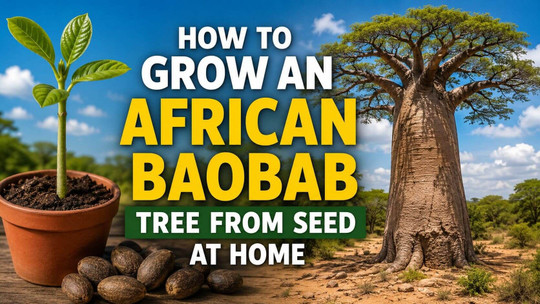
The African Baobab (Adansonia digitata) is one of the world's most iconic trees, famous for its enormous trunk, long lifespan, and unique silhouette. Native to the African savanna, baobabs can live for over 1,000 years and are surprisingly easy to grow from seed when given the proper preparation. Although they won't reach their massive size indoors, they make fascinating container plants and conversation pieces for years to come.
Why Grow a Baobab Tree?
Growing a baobab from seed is rewarding for gardeners who enjoy unusual plants. Young trees develop quickly under warm conditions and produce thick trunks that become more impressive with age.
Benefits include:
- Unique tropical appearance
- Excellent drought tolerance once established
- Long-lived ornamental tree
- Great container specimen for colder climates
- Fun and rewarding seed-growing project
Step 1: Soak the Seeds
Baobab seeds have an extremely hard outer shell that prevents water from reaching the embryo.
- Place the seeds in warm water.
- Allow them to soak for 24 hours.
- This softens the shell before scarification.
Step 2: Scarify the Seed Coat
After soaking:
- Use a small metal file or coarse sandpaper.
- Carefully file one small section of the seed coat.
- Stop once the lighter-colored inner layer becomes visible.
- Avoid damaging the seed inside.
Scarification greatly improves germination rates.
Step 3: Let the Seeds Dry
After scarifying:
- Allow the seeds to dry indoors for approximately 24 hours before planting.
Since baobab germination can be unpredictable, it's recommended to sow several seeds rather than just one.
Step 4: Plant the Seeds
Plant each seed:
- 1 to 2 inches deep
- In a well-draining seed-starting mix
- In containers with drainage holes
A quality cactus or succulent mix blended with additional perlite works well.
Step 5: Provide Warm Temperatures
Heat is one of the most important factors for successful germination.
Maintain soil temperatures of:
- At least 78°F (26°C)
- 80–90°F is even better
A seedling heat mat can significantly improve success.
Keep the soil:
- Evenly moist
- Never soggy
- Never completely dry during germination
Step 6: Be Patient
Baobab seeds germinate at different speeds.
Some sprout in:
- 1–2 weeks
Others may require:
- Several months
Don't discard your containers too early—healthy seeds may simply need more time.
Step 7: Pot Up the Seedlings
Once roots become established:
- Carefully transplant seedlings into individual containers.
- Use pots at least 3 inches in diameter.
- Handle the young taproot gently to avoid damage.
Caring for Young Baobab Trees
After germination, provide:
- Bright sunlight
- Warm temperatures
- Excellent drainage
Water thoroughly, then allow the soil to dry before watering again.
Because baobabs naturally experience dry seasons, overwatering is the most common cause of problems.
Growing Baobabs Indoors
Gardeners outside tropical climates can successfully grow baobabs in containers.
Tips include:
- Place in the sunniest window available.
- Use a fast-draining cactus mix.
- Reduce watering during winter dormancy.
- Move outdoors during warm summer weather if temperatures remain above 60°F (16°C).
Common Mistakes to Avoid
Avoid these common errors:
- Skipping scarification
- Keeping soil constantly wet
- Using heavy garden soil
- Germinating in cool temperatures
- Throwing away pots too soon
Frequently Asked Questions
How long do baobab seeds take to germinate?
Anywhere from 1 week to several months, depending on temperature, seed quality, and scarification.
Can I grow a baobab indoors?
Yes. Baobabs make excellent container plants and can be grown indoors in bright light.
Do baobabs need lots of water?
No. Once established, they are extremely drought tolerant and prefer drying between waterings.
Will my baobab ever become huge?
Only if planted outdoors in a suitable tropical or subtropical climate. Container-grown trees stay much smaller but still develop the distinctive swollen trunk.
Final Thoughts
Growing an African Baobab tree from seed requires warmth, patience, and proper seed preparation, but the reward is one of the world's most extraordinary trees growing right in your home. By soaking, scarifying, planting in well-draining soil, and maintaining warm temperatures, you'll give your seeds the best chance to sprout and thrive. Whether grown as an indoor curiosity or an outdoor specimen in warm climates, a baobab is a truly unforgettable addition to any plant collection.