
Posted by TJ Hopkins on Apr 20th 2026
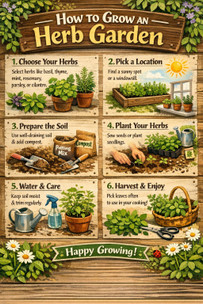
How to Grow an Herb Garden
Growing your own herb garden is one of the easiest and most rewarding ways to start gardening. Whether you have a backyard, a patio, or just a sunny windowsill, fresh herbs can thrive almost anywhere—and they’ll instantly upgrade your cooking.
This guide will walk you through everything you need to know to successfully grow an herb garden from scratch.
Why Grow Your Own Herb Garden?
Herb gardening offers a ton of benefits:
- Fresh, flavorful herbs anytime
- Saves money compared to store-bought herbs
- Easy for beginners
- Can be grown indoors or outdoors
- Adds beauty and fragrance to your space
Choosing the Best Herbs to Grow
Start with easy, beginner-friendly herbs that grow well in most conditions:
Best Herbs for Beginners:
- Basil
- Parsley
- Cilantro
- Mint
- Chives
- Thyme
- Oregano
- Rosemary
Pro Tip: Start with 3–5 herbs so you don’t get overwhelmed.
Pick the Right Location
Most herbs love sunlight.
- Outdoor gardens: Choose a spot with 6–8 hours of sun daily
- Indoor gardens: Place near a south-facing window
- Low light? Use a simple grow light
Good air circulation is also important to prevent mold and disease.
Soil & Containers
Herbs don’t like soggy roots, so drainage is key.
Use:
- Well-draining potting soil
- Containers with drainage holes
- Raised beds or garden plots for outdoor growing
Add a little sand or perlite to improve drainage if needed.
Watering Your Herbs
Overwatering is the #1 mistake beginners make.
- Water when the top inch of soil feels dry
- Avoid letting plants sit in water
- Herbs like rosemary and thyme prefer drier soil
Rule of thumb: It’s better to underwater than overwater.
Planting Your Herb Garden
You can grow herbs from seeds or starter plants:
From Seeds:
- Cheaper but takes longer
- Great for basil, cilantro, and parsley
From Starter Plants:
- Faster results
- Easier for beginners
Plant herbs with enough spacing so they have room to grow.
Harvesting Herbs the Right Way
Harvesting actually helps herbs grow more.
- Trim regularly (don’t take more than 1/3 of the plant)
- Cut just above a leaf node
- Harvest in the morning for best flavor
Frequent trimming keeps herbs bushy and productive.
Common Problems (and Fixes)
Yellow Leaves
- Usually overwatering
- Let soil dry out more between watering
Leggy Growth
- Not enough sunlight
- Move to a brighter spot
Pests (aphids, mites)
- Spray with water or mild soap solution
Indoor vs Outdoor Herb Gardens
Indoor:
- Year-round growing
- Easy access for cooking
- Requires good light
Outdoor:
- Faster growth
- Bigger plants
- Seasonal depending on climate
Best Herbs for Cold Climates
If you live in a cooler climate, these herbs do especially well:
- Chives (perennial)
- Thyme (hardy)
- Oregano (comes back yearly)
- Mint (very hardy—can spread fast)
- Sage
Bring tender herbs like basil indoors before frost.
Bonus: Easy Herb Garden Layout Idea
Try a simple setup:
- Center: Basil
- Edges: Thyme & oregano
- Corners: Chives or parsley
Or plant each herb in its own pot for easy management.
Final Tips for Success
- Start small and expand later
- Don’t overwater
- Give herbs plenty of sunlight
- Harvest often
- Have fun experimenting
Final Thoughts
Growing an herb garden is simple, fun, and incredibly rewarding. With just a little effort, you’ll have fresh herbs at your fingertips all season long—and your meals will taste better than ever.