
Posted by TJ Hopkins on May 31st 2026
How to Grow Banana Seeds
Growing banana plants from seed is a rewarding project for gardeners who enjoy raising unusual tropical plants. While most grocery store bananas are grown from cuttings and produce little to no viable seed, many wild and ornamental banana species can be grown successfully from seed. With warmth, patience, and proper care, you can raise healthy banana plants from seed to maturity.
Understanding Banana Seeds
Banana seeds are small, hard, and round, often black or dark brown in color. Because of their tough outer shell, they germinate more slowly than many common garden plants. Fresh seeds generally provide the best germination rates.
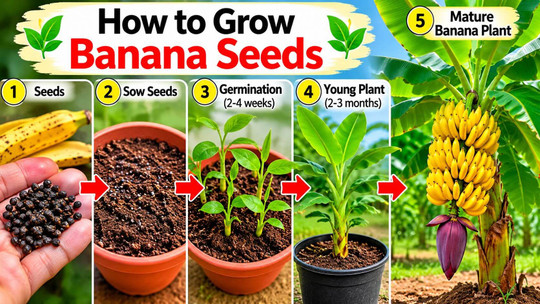
Step 1: Prepare the Seeds
Before planting, soak the banana seeds in warm water for 24 to 48 hours. This helps soften the hard seed coat and allows moisture to penetrate the seed more easily.
Tips:
- Change the water every 12 hours if possible.
- Discard any floating seeds that appear damaged or hollow.
Step 2: Sow the Seeds
Fill small pots or seed trays with a well-draining seed-starting mix. A blend of peat moss, coco coir, and perlite works well.
Planting Instructions:
- Sow seeds about 1/4 to 1/2 inch deep.
- Cover lightly with soil.
- Water thoroughly after planting.
- Keep the growing medium consistently moist but not waterlogged.
Banana seeds need warmth to germinate, so maintaining soil temperatures between 75°F and 90°F is highly recommended.
Step 3: Germination
Banana seeds typically germinate within 2 to 8 weeks, although some varieties may take several months.
To improve germination:
- Place pots in a warm location.
- Use a seedling heat mat if available.
- Provide bright indirect light.
- Keep humidity levels high.
Patience is important, as germination times can vary significantly between species.
Step 4: Care for Young Seedlings
Once seedlings emerge, move them into a location with bright light or filtered sunlight.
Young Banana Plant Care:
- Keep soil evenly moist.
- Fertilize monthly with a balanced liquid fertilizer.
- Protect from cold temperatures.
- Maintain temperatures above 60°F.
As the seedlings grow, transplant them into larger containers to accommodate their expanding root systems.
Step 5: Growing Mature Banana Plants
After several months, banana plants develop large tropical leaves and begin rapid growth. In warm climates, they can eventually be transplanted outdoors.
Ideal Growing Conditions:
- Full sun to partial shade
- Rich, fertile soil
- Consistent moisture
- Protection from strong winds
- Regular feeding during the growing season
Depending on the species, banana plants may reach heights ranging from 6 feet to over 20 feet.
Common Problems
Slow Germination
Banana seeds naturally germinate slowly. Maintain warm soil temperatures and avoid letting the soil dry out.
Yellow Leaves
Usually caused by overwatering, poor drainage, or nutrient deficiencies.
Stunted Growth
Often occurs when plants do not receive enough sunlight, warmth, or fertilizer.
Can Seed-Grown Bananas Produce Fruit?
Yes, some seed-grown banana species can eventually produce fruit. However, many ornamental varieties are grown primarily for their lush tropical foliage rather than edible bananas. Fruiting can take several years and depends on the variety and growing conditions.
Final Thoughts
Growing banana seeds requires patience, but watching a tropical banana plant develop from a tiny seed into a lush, mature specimen is incredibly satisfying. By providing warmth, moisture, and plenty of light, you can successfully grow healthy banana plants that add an exotic touch to your garden or indoor plant collection.