
Posted by TJ Hopkins on May 19th 2026
How to Grow Flowers in Shade
Not every garden gets full sunlight, but that doesn’t mean you can’t enjoy a colorful flower bed. Many beautiful flowers thrive in shady conditions and can brighten patios, woodland gardens, under-tree spaces, and the darker corners of your landscape. With the right plant choices and a few simple care tips, you can create a lush shade garden filled with blooms all season long.
Understand Your Shade Conditions
Before planting, it’s important to know what type of shade your garden receives. Different flowers prefer different light levels.
- Partial Shade – Around 3–6 hours of sunlight per day
- Dappled Shade – Filtered sunlight through tree branches
- Full Shade – Very little direct sunlight
Observing your planting area throughout the day will help you choose flowers that grow best in those conditions.
Choose Shade-Loving Flowers
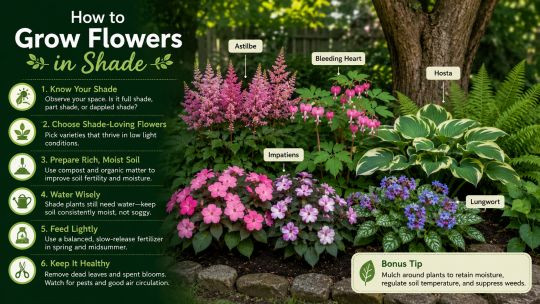
Many flowering plants are naturally adapted to lower light conditions. Some of the best flowers for shade gardens include:
Astilbe
Astilbe produces tall, feathery plumes in shades of pink, white, and red. It thrives in moist soil and adds texture to shaded borders.
Bleeding Heart
Known for its heart-shaped flowers, Bleeding Heart is a classic shade perennial that blooms beautifully in spring.
Impatiens
Impatiens are one of the most popular annual flowers for shade. They bloom continuously and come in many vibrant colors.
Lungwort
Lungwort offers spotted foliage and clusters of blue, pink, or purple flowers that brighten shady garden beds.
Hosta
While often grown for their foliage, Hostas also produce attractive flower spikes and perform exceptionally well in shady areas.
Improve the Soil
Shade gardens often compete with tree roots for nutrients and moisture. Adding compost or organic matter improves soil fertility and helps retain moisture.
A rich, loose soil allows roots to establish more easily and supports stronger flowering plants.
Keep the Soil Moist
Shady areas can still dry out quickly, especially beneath large trees. Most shade-loving flowers prefer consistently moist soil but dislike soggy conditions.
Mulching around plants helps:
- Retain moisture
- Suppress weeds
- Regulate soil temperature
- Improve soil quality over time
Organic mulch such as bark, shredded leaves, or compost works especially well in shade gardens.
Fertilize Lightly
Shade plants generally require less fertilizer than sun-loving flowers. Use a balanced slow-release fertilizer during spring and midsummer to encourage healthy growth and blooms.
Avoid over-fertilizing, as it may produce excessive foliage with fewer flowers.
Maintain Good Airflow
Shady gardens can sometimes stay damp longer, increasing the risk of mildew and fungal issues. Space plants properly and remove dead leaves or spent blooms regularly to improve airflow.
Healthy circulation keeps plants stronger and reduces pest problems.
Add Layers for a Natural Look
A beautiful shade garden often combines flowers with different heights, textures, and foliage colors. Pair flowering plants with ferns, hostas, and groundcovers for a lush woodland-style appearance.
Layering plants also creates depth and keeps the garden visually interesting even when certain flowers are not blooming.
Final Thoughts
Growing flowers in shade is easier than many gardeners realize. By choosing shade-tolerant plants, improving the soil, and keeping moisture levels balanced, you can create a thriving garden full of color and texture in areas where many plants struggle.
Shade gardens often have a peaceful, cool atmosphere that becomes even more beautiful as flowers mature and fill in over time.