
Posted by TJ Hopkins on Aug 20th 2026
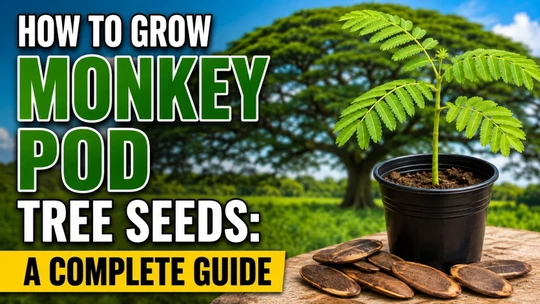
How to Grow Monkey Pod Tree Seeds: A Complete Guide
The Monkey Pod Tree is one of the most impressive tropical shade trees you can grow from seed. Famous for its enormous umbrella-shaped canopy, graceful spreading branches, and delicate fern-like foliage, the Monkey Pod Tree can eventually become a spectacular centerpiece in a warm-climate landscape.
Also known as the Rain Tree, Samanea saman is native to tropical regions of the Americas but is now grown throughout many tropical and subtropical parts of the world. Although a mature tree can reach an impressive size, growing one begins with a relatively simple seed.
The key to successfully growing Monkey Pod Tree seeds is overcoming their hard seed coat. With proper scarification, soaking, warmth, and moisture, the seeds can germinate surprisingly quickly.
About the Monkey Pod Tree
Monkey Pod is a fast-growing tropical tree prized primarily for its broad canopy. Mature specimens develop massive horizontal branches that can provide an extraordinary amount of shade.
The tree produces attractive compound leaves made up of numerous small leaflets. It also develops clusters of fluffy pinkish flowers, followed by long brown seed pods containing the hard seeds used for propagation.
Under suitable conditions, Monkey Pod Trees may eventually reach approximately 50 to 80 feet tall, with mature canopies that can spread just as wide or even wider.
Monkey Pod Tree Quick Facts
- Botanical Name: Samanea saman
- Common Names: Monkey Pod Tree, Rain Tree
- Plant Type: Tropical evergreen or semi-deciduous tree
- Mature Height: Approximately 50–80 feet
- Mature Spread: Approximately 60–100+ feet
- Growth Rate: Fast
- Sunlight: Full sun
- Soil: Well-draining soil
- Water Needs: Moderate
- USDA Hardiness: Best suited to frost-free tropical and subtropical climates
- Propagation: Seeds
- Primary Feature: Huge spreading shade canopy
Why Monkey Pod Seeds Need Scarification
One of the most important things to understand before planting Monkey Pod seeds is that they have a very hard outer seed coat.
This protective coating helps seeds survive unfavorable environmental conditions, but it can also prevent water from reaching the embryo. If untreated seeds are simply placed in potting soil, germination may be slow or inconsistent.
Scarification damages or weakens a small portion of the outer seed coat so water can penetrate the seed.
There are several ways to accomplish this.
Method 1: Scarify and Soak the Seeds
A simple method for home growers is to gently nick or sand the seed coat.
Use sandpaper, a nail file, or another suitable abrasive surface to carefully wear away a small area of the outer coating.
You only need to weaken the seed coat. Do not sand deeply enough to damage the interior of the seed.
Once scarified, place the seeds in warm water.
Allow them to soak for approximately 12 to 24 hours. Seeds that absorb water may noticeably swell during this period.
The swollen seeds are ready for planting.
Method 2: Hot Water Treatment
Hot water treatment can also help soften the hard seed coat.
Heat water until it is very hot, remove it from the heat, and then place the seeds into the water. Allow the seeds to remain in the water as it gradually cools.
They can generally remain soaking overnight.
The goal is to soften the seed coat—not cook the seeds. Avoid continuously boiling the seeds.
After soaking, look for seeds that have expanded or swollen. These have usually absorbed moisture successfully.
Preparing the Growing Medium
Monkey Pod seedlings need moisture, but they should not remain in saturated soil.
Use a clean, well-draining seed-starting mixture. A commercial seed-starting mix works well, or you can use another lightweight growing medium that drains freely while retaining some moisture.
Small individual pots are particularly convenient because Monkey Pod seedlings can begin developing roots quickly.
Make sure every container has drainage holes.
How to Plant Monkey Pod Tree Seeds
Once the seeds have been scarified and soaked, fill your containers with moist growing medium.
Plant each seed approximately 1/2 to 1 inch deep.
Cover the seed lightly with the growing medium and gently water the container.
Do not compact the soil heavily.
Place the pots in a warm location with bright light.
A humidity dome can help maintain consistent moisture while the seeds are germinating. However, provide some ventilation and remove the dome once seedlings become established.
Best Temperature for Germination
Monkey Pod is a tropical species, so warmth is important.
Try to maintain temperatures around 75–85°F during germination.
If your indoor growing area is cool, a seedling heat mat can help maintain warmer soil temperatures.
Avoid exposing newly planted seeds to cold temperatures.
How Long Do Monkey Pod Seeds Take to Germinate?
Properly scarified Monkey Pod seeds can germinate relatively quickly under warm conditions.
Some seeds may begin sprouting within approximately one to three weeks, although germination time can vary considerably depending on seed freshness, scarification, moisture, and temperature.
Don't immediately discard seeds that take longer.
Continue maintaining warm, lightly moist conditions as long as the seeds remain healthy and show no signs of rotting.
Watering Monkey Pod Seedlings
Keep the growing medium consistently moist while the seeds are germinating, but never waterlogged.
After germination, allow the surface of the growing medium to begin drying slightly before watering again.
Overwatering is one of the easiest ways to damage young seedlings. Containers that remain saturated can encourage root problems and fungal growth.
Good drainage is essential.
Light Requirements After Germination
Once seedlings emerge, provide plenty of bright light.
Young seedlings grown indoors can initially receive strong indirect light before gradually being introduced to more direct sunlight.
If you plan to move seedlings outdoors, harden them off gradually.
Suddenly moving an indoor-grown seedling into intense tropical or summer sunshine can scorch its tender foliage.
Increase its outdoor sun exposure over several days.
Transplanting Monkey Pod Seedlings
Monkey Pod Trees can grow rapidly once established, so seedlings may eventually need larger containers.
Transplant when roots begin filling the original pot rather than allowing the plant to become severely root-bound.
Choose a container with excellent drainage and use a well-draining potting mixture.
Handle the root system carefully when transplanting.
Growing Monkey Pod Trees in Containers
Young Monkey Pod Trees can be grown in containers, particularly when they are small.
Container growing can also be useful for gardeners living outside tropical climates because plants can be moved to protected locations when temperatures fall.
However, Monkey Pod naturally develops into an enormous tree.
Long-term container culture will require pruning, root management, and increasingly large containers. Gardeners interested in maintaining smaller specimens may also grow Monkey Pod as a tropical ornamental or experiment with bonsai techniques.
Planting a Monkey Pod Tree Outdoors
Choosing the right planting location is extremely important.
A mature Monkey Pod Tree can develop a huge canopy and substantial root system. This is not a tree that should be planted directly beside a house, driveway, sidewalk, septic system, utility line, or other structure.
Give the tree plenty of open space.
Select a location offering:
- Full sun
- Excellent drainage
- Plenty of overhead clearance
- Significant distance from buildings
- Room for a very wide canopy
- Space for expanding roots
Planning for the mature tree rather than the small seedling can prevent major landscape problems later.
Soil Requirements
Monkey Pod Trees are adaptable once established but perform best in fertile, well-draining soil.
Heavy soil that remains permanently saturated should be avoided.
Adding organic matter can improve poor soil, but don't create an excessively rich planting hole surrounded by dramatically poorer native soil. Encouraging roots to spread into the surrounding landscape is important for long-term establishment.
Watering an Established Tree
Young trees require more regular watering while developing their root systems.
Water deeply rather than constantly providing small amounts of surface water.
As the tree becomes established, its watering requirements may decrease depending on climate, rainfall, soil, and seasonal conditions.
Even tropical trees can suffer when roots remain continuously waterlogged, so good drainage remains important.
Protect Monkey Pod Trees From Cold
Cold temperatures are one of the biggest limitations when growing Monkey Pod Trees.
This is a tropical tree and should not be treated like a cold-hardy temperate species.
Young trees are particularly vulnerable to frost.
Gardeners in colder climates should grow Monkey Pod Trees in containers that can be moved into a greenhouse, sunroom, or other protected location before cold weather arrives.
If you live in a region that regularly experiences freezing temperatures, planting a Monkey Pod Tree permanently outdoors is generally not practical.
How Fast Does a Monkey Pod Tree Grow?
Monkey Pod is known for relatively rapid growth when provided with tropical warmth, sunshine, adequate water, and sufficient growing space.
Growth rates vary considerably with environmental conditions.
A seedling begins as a delicate little plant, but gardeners should always remember what it can eventually become: a massive shade tree.
Its impressive growth is one reason choosing an appropriate permanent location is so important.
Common Monkey Pod Seed Germination Problems
Seeds Don't Germinate
The hard seed coat may not have been scarified sufficiently.
Try carefully scarifying untreated seeds before soaking and planting them.
Seeds Rot
Excessive moisture is often responsible.
Use well-draining growing medium and containers with drainage holes. The soil should remain moist during germination rather than saturated.
Seedlings Become Tall and Weak
Insufficient light can cause seedlings to stretch.
Move them to a brighter location or provide suitable supplemental growing lights.
Leaves Become Scorched
Young plants may have been moved into intense direct sunlight too quickly.
Gradually acclimate indoor-grown seedlings to outdoor sunlight.
Seedling Growth Slows
Cool temperatures, inadequate light, poor drainage, depleted soil, or a root-bound container can all contribute to slower growth.
Can You Grow Monkey Pod Trees Indoors?
You can grow young Monkey Pod Trees indoors, but keeping a naturally enormous tropical tree as a permanent conventional houseplant can be challenging.
Provide as much bright light as possible and rotate the container periodically to encourage balanced growth.
Pruning can help control its size.
Gardeners in cold climates can also keep the plant outdoors during warm summer weather and bring it inside before temperatures become too cold.
Can Monkey Pod Be Grown as Bonsai?
Monkey Pod's attractive compound foliage and branching habit can make it an interesting species for bonsai enthusiasts.
Starting from seed gives you control over the plant from its earliest stages.
However, bonsai requires ongoing pruning, root management, training, and specialized care. Simply keeping a Monkey Pod Tree in a small container does not automatically create a bonsai.
Tips for Better Monkey Pod Seed Germination
For the best chance of success:
- Start with fresh, viable seeds.
- Scarify the hard seed coat before planting.
- Soak scarified seeds for 12–24 hours.
- Use clean, well-draining growing medium.
- Keep temperatures warm.
- Maintain consistent moisture without saturating the soil.
- Provide bright light after germination.
- Protect seedlings from cold temperatures.
- Transplant before seedlings become severely root-bound.
- Gradually acclimate indoor seedlings before placing them in full outdoor sun.
Frequently Asked Questions
Do Monkey Pod seeds need cold stratification?
Generally, no. Monkey Pod is a tropical species, and the primary germination obstacle is its hard seed coat. Scarification and warm growing conditions are much more important than cold stratification.
Should Monkey Pod seeds be soaked before planting?
Yes. Scarifying the seed coat followed by soaking can help water penetrate the seed and encourage germination.
How deep should Monkey Pod seeds be planted?
Plant seeds approximately 1/2 to 1 inch deep in a well-draining growing medium.
Do Monkey Pod seeds need light to germinate?
The seeds can be covered with growing medium. After seedlings emerge, however, they should receive plenty of bright light.
Can Monkey Pod Trees survive frost?
They are tropical trees and can be damaged by cold and frost, particularly while young. They are best suited to warm, frost-free climates.
How big does a Monkey Pod Tree get?
A mature tree can become enormous, often reaching approximately 50–80 feet tall while developing an exceptionally broad spreading canopy.
Can I grow a Monkey Pod Tree in a pot?
Yes, especially while the tree is young. Because the species naturally becomes very large, long-term container growing requires active size and root management.
Final Thoughts
Growing a Monkey Pod Tree from seed is an exciting project because such a small seed has the potential to become an extraordinary tropical shade tree.
The most important step is preparing the hard seed coat. Scarify the seeds, soak them, plant them in a well-draining growing medium, and provide plenty of warmth. Once germination occurs, give the seedlings bright light, careful watering, and enough room for their rapidly developing roots.
If you live in a suitable warm climate and have enough space for its enormous mature canopy, a Monkey Pod Tree can become an impressive landscape specimen for generations to come.