
Posted by TJ Hopkins on Jul 6th 2026
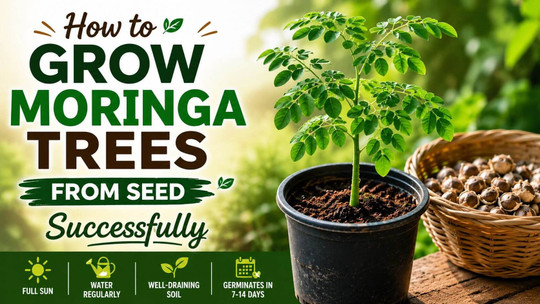
How to Grow Moringa Trees from Seed Successfully
Moringa (Moringa oleifera), often called the Miracle Tree or Drumstick Tree, is one of the fastest-growing and most useful trees in the world. Valued for its nutritious leaves, edible seed pods, and drought tolerance, moringa thrives in warm climates and can reach 15 to 40 feet tall in just a few years. Fortunately, growing moringa from seed is easy when you provide the right conditions.
Whether you're planting a backyard food forest, creating a tropical landscape, or growing a healthy source of edible greens, this guide will walk you through every step of the process.
Why Grow Moringa?
Moringa offers numerous benefits for home gardeners.
- Extremely fast-growing
- Highly drought tolerant once established
- Edible leaves, flowers, pods, and seeds
- Rich in vitamins, minerals, and antioxidants
- Excellent shade tree for warm climates
- Attractive ornamental foliage
- Easy to grow from fresh seed
Best Climate for Moringa
Moringa is native to tropical and subtropical regions and thrives in warm temperatures.
- USDA Zones: 9-11
- Temperature: 70-95°F
- Sunlight: Full sun (6-8+ hours daily)
- Humidity: Moderate to high
- Frost: Not frost tolerant
Gardeners in cooler climates can grow moringa as a container plant and move it indoors before freezing temperatures arrive.
When to Plant Moringa Seeds
Plant moringa seeds outdoors after all danger of frost has passed and soil temperatures remain above 70°F.
If you live in a cooler region, start seeds indoors about 4-6 weeks before your last expected frost.
Step 1: Choose Fresh Seeds
Fresh moringa seeds have the highest germination rates.
Healthy seeds should be:
- Brown with papery wings
- Firm and dry
- Free from mold or insect damage
Avoid old or cracked seeds whenever possible.
Step 2: Soak the Seeds (Optional)
Although moringa seeds germinate well without soaking, many gardeners soak them in room-temperature water for 12-24 hours.
Benefits include:
- Faster germination
- Softer seed coat
- More uniform sprouting
Do not soak longer than 24 hours.
Step 3: Prepare the Soil
Moringa absolutely requires excellent drainage.
A good soil mix includes:
- 50% quality potting soil
- 25% coarse sand
- 25% compost or perlite
Ideal soil pH:
6.2-7.5
Avoid heavy clay soils that remain wet after watering.
Step 4: Plant the Seeds
Plant each seed:
- About 1 inch deep
- Pointed end facing downward (if noticeable)
- One seed per pot or planting location
Lightly cover with soil and gently water.
Step 5: Provide Warmth
Warm temperatures dramatically improve germination.
Ideal conditions:
- 75-90°F
- Bright location
- Full sun once seedlings emerge
Avoid cool, damp environments.
Step 6: Water Carefully
Keep the soil slightly moist but never soggy.
Overwatering is the most common reason moringa seedlings fail.
Water only when the top inch of soil begins to dry.
Germination Time
Under ideal conditions, moringa seeds typically germinate in:
7-14 days
Some may sprout in as little as one week.
Seedling Care
Once seedlings appear:
- Place them in full sun.
- Continue watering moderately.
- Allow soil to dry slightly between watering.
- Protect young plants from strong winds.
Healthy seedlings often grow several inches each week.
Transplanting
When seedlings reach 12-18 inches tall, transplant them into the garden or larger containers.
Space trees:
- 10-15 feet apart for landscaping
- 3-5 feet apart for leaf production
Choose a location with full sun and well-draining soil.
Fertilizing
Moringa generally requires little fertilizer.
For faster growth, apply:
- Compost
- Well-aged manure
- Balanced slow-release fertilizer once or twice per year
Avoid excessive nitrogen, which can produce weak growth.
Watering Mature Trees
Established moringa trees are highly drought tolerant.
Water deeply:
- Once every 7-14 days during dry periods
- More often during prolonged heat if grown in containers
Avoid constantly wet soil.
Pruning for Better Growth
Without pruning, moringa quickly becomes tall and leggy.
Trim the main stem when the tree reaches about 3-4 feet tall.
Benefits include:
- More branches
- Increased leaf production
- Easier harvesting
- Stronger structure
Annual pruning helps maintain a compact, productive tree.
Growing Moringa in Containers
Container growing works well in colder climates.
Use:
- A pot at least 10-20 gallons
- Well-draining potting mix
- Drainage holes
- Full sun
Bring containers indoors before temperatures fall below 40°F.
Common Problems
Although moringa is relatively pest resistant, watch for:
- Aphids
- Spider mites
- Whiteflies
- Root rot from overwatering
Good airflow and proper drainage prevent most issues.
Harvesting
Leaves
Leaves can be harvested once the tree reaches about 3 feet tall.
Frequent harvesting encourages dense new growth.
Seed Pods
Pods are typically ready:
- 6-8 months after planting in warm climates
- When they are green and tender for eating
- When fully brown and dry for seed collection
Frequently Asked Questions
How fast do moringa trees grow?
Under ideal conditions, moringa can grow 10-15 feet during its first year.
Do moringa seeds need stratification?
No. Moringa seeds require no cold stratification or scarification.
Can moringa survive winter?
Only in frost-free climates. In colder regions, grow moringa in containers and overwinter indoors.
How long do moringa seeds take to germinate?
Most seeds germinate within 7-14 days when kept warm and planted in well-draining soil.
Final Thoughts
Growing moringa trees from seed is one of the easiest ways to establish this incredibly productive and fast-growing tree. By planting fresh seeds in well-draining soil, providing full sun, and avoiding overwatering, you can enjoy vigorous growth within just a few weeks. With regular pruning and proper care, your moringa tree will reward you with nutritious leaves, beautiful foliage, and years of reliable growth in warm climates.