
Posted by TJ Hopkins on Aug 23rd 2026
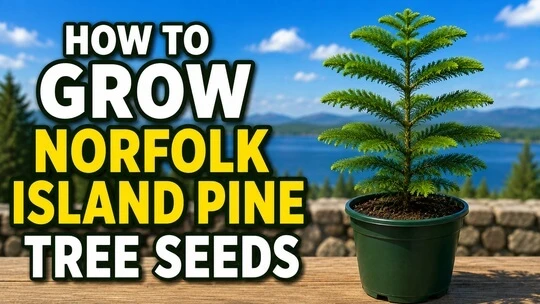
How to Grow Norfolk Island Pine Tree Seeds
The Norfolk Island Pine (Araucaria heterophylla) is a beautiful evergreen tree known for its symmetrical shape, soft green foliage, and distinctive tropical appearance. Although commonly grown as a houseplant, it is actually a subtropical tree native to Norfolk Island in the South Pacific.
Growing Norfolk Island Pine from seed is an enjoyable way to produce these unique trees at home. The seeds require warmth, moisture, and careful handling because their viability can decline relatively quickly. With fresh seeds and the right growing conditions, you can successfully start your own Norfolk Island Pine seedlings.
About Norfolk Island Pine
Despite its common name, the Norfolk Island Pine is not a true pine. It belongs to the Araucariaceae family, an ancient group of coniferous trees that includes several distinctive species from the Southern Hemisphere.
In warm climates, Norfolk Island Pines can eventually become impressive landscape trees. In colder regions, they are usually grown in containers and kept indoors during cold weather.
Norfolk Island Pines prefer:
- Bright light
- Warm temperatures
- Consistent moisture
- Well-draining soil
- Moderate to high humidity
- Protection from freezing temperatures
Start With Fresh Norfolk Island Pine Seeds
Freshness is especially important when growing Norfolk Island Pine from seed. Unlike many tree seeds that can remain viable in storage for years, Norfolk Island Pine seeds tend to lose viability relatively quickly.
For the best chance of germination, plant the seeds as soon as practical after receiving them.
Before planting, inspect the seeds and discard any that appear badly damaged, moldy, or excessively dried out.
Do Norfolk Island Pine Seeds Need Stratification?
Norfolk Island Pine seeds generally do not require cold stratification.
These trees originate from a subtropical environment where seeds are not naturally exposed to the prolonged winter temperatures required by many temperate tree species.
Instead, successful germination depends primarily on fresh seed, warmth, moisture, and a suitable growing medium.
Choosing a Growing Medium
Use a lightweight, well-draining seed-starting mixture. The growing medium should hold enough moisture to prevent the seeds from drying out without remaining soggy.
A mixture containing ingredients such as peat moss or coco coir combined with perlite can work well.
Make sure your containers have drainage holes. Excess water around the seeds can encourage fungal problems and seed rot.
How to Plant Norfolk Island Pine Seeds
Fill small pots or seed-starting containers with moist growing medium.
Place one seed in each container when possible. Norfolk Island Pine seeds should generally be planted shallowly rather than buried deeply.
Position the seed on or just below the surface of the growing medium and lightly cover it. Keep part of the seed close to the soil surface rather than burying it several inches deep.
Gently water the growing medium after planting.
Keep the Seeds Warm
Warm temperatures are important for germinating Norfolk Island Pine seeds.
Place the containers in a warm location with bright, indirect light. A consistently warm environment is preferable to an area experiencing large temperature swings.
If your home is cool, a seedling heat mat can help maintain suitable temperatures. Avoid excessive heat, however, because it can dry the growing medium too quickly.
Maintain Consistent Moisture
The growing medium should remain consistently moist while the seeds are germinating, but it should never become waterlogged.
Check the containers regularly. If the surface begins drying, gently mist or water the growing medium.
A humidity dome can help retain moisture and create a humid environment around the seeds. Provide some ventilation and watch carefully for excessive condensation or fungal growth.
Never allow pots to sit continuously in standing water.
Provide Bright, Indirect Light
Place your planted seeds where they receive plenty of bright, indirect light.
Avoid exposing newly planted seeds or young seedlings to intense midday sunlight through a window. Containers can heat rapidly, and tender seedlings may dry out or become damaged.
Once seedlings become established, they can gradually be introduced to stronger light.
How Long Do Norfolk Island Pine Seeds Take to Germinate?
Germination time can vary considerably depending on seed freshness, temperature, moisture, and other growing conditions.
Some seeds may begin showing growth within several weeks, while others can take longer.
Don't immediately discard containers simply because one seed germinates before another. Continue maintaining suitable conditions as long as the seeds remain healthy and there are no obvious signs of decay.
Caring for Norfolk Island Pine Seedlings
Once seedlings emerge, continue providing bright light and consistent moisture.
Water when the surface of the growing medium begins to dry, but avoid keeping the soil constantly saturated.
Good air circulation is also beneficial. If you used a humidity dome during germination, gradually increase ventilation and eventually remove the dome as the seedlings become established.
Transplanting the Seedlings
Allow young Norfolk Island Pine seedlings to develop a healthy root system before transplanting them.
When a seedling begins outgrowing its starter container, carefully move it into a slightly larger pot. Avoid using an oversized container because excessive wet soil surrounding a small root system can increase the risk of root problems.
Handle the root system gently during transplanting.
Use a well-draining potting mixture and make sure the new container has adequate drainage holes.
Growing Norfolk Island Pine Indoors
Norfolk Island Pine makes an attractive indoor container tree, particularly in climates with cold winters.
Place your tree near a bright window where it can receive plenty of light. Rotate the container periodically to encourage balanced growth.
Keep the plant away from extremely hot or cold drafts. Indoor heating during winter can also create very dry air, so maintaining reasonable humidity can help keep the foliage looking healthy.
Can Norfolk Island Pine Grow Outdoors?
Norfolk Island Pine is sensitive to freezing temperatures and is best suited to warm climates for year-round outdoor growing.
Container-grown trees can be moved outdoors during warm weather. If a plant has been growing indoors, introduce it to outdoor conditions gradually rather than immediately placing it in intense direct sunlight.
Move container plants back indoors well before freezing temperatures arrive.
Common Norfolk Island Pine Seed-Growing Mistakes
Planting Old Seeds
Seed viability can decline quickly. Starting with fresh seeds greatly improves your chances of success.
Burying Seeds Too Deeply
Norfolk Island Pine seeds should be planted relatively shallowly. Deep planting can make emergence more difficult.
Keeping the Soil Too Wet
Moisture is necessary for germination, but constantly saturated soil can cause seeds and young roots to rot.
Allowing Seeds to Dry Out
The opposite extreme can also cause problems. Check the growing medium regularly so it doesn't completely dry during germination.
Keeping Seeds Too Cold
Norfolk Island Pine is a subtropical species. Warm, stable growing conditions generally encourage better germination than cold conditions.
Giving Seedlings Insufficient Light
Once seedlings emerge, provide plenty of bright light to encourage sturdy, healthy growth.
Tips for Better Germination Success
For the best results when starting Norfolk Island Pine seeds:
- Use fresh seeds whenever possible.
- Plant the seeds soon after receiving them.
- Use clean containers with drainage holes.
- Choose a lightweight, well-draining growing medium.
- Plant seeds shallowly.
- Maintain warm temperatures.
- Keep the growing medium consistently moist but not soggy.
- Use a humidity dome to help maintain moisture when necessary.
- Provide bright, indirect light.
- Be patient and allow slower seeds additional time to germinate.
Growing Norfolk Island Pine From Seed Is Worth the Wait
Growing Norfolk Island Pine from seed requires a little more attention than starting many common garden plants, but watching one of these unusual trees develop from a seed into a symmetrical evergreen can be extremely rewarding.
The most important factors are starting with fresh seeds, maintaining warm temperatures, keeping the growing medium evenly moist without waterlogging it, and providing young seedlings with plenty of light.
With proper care and patience, your Norfolk Island Pine seedlings can eventually become attractive container plants or impressive outdoor trees in climates warm enough to support them year-round.