
Posted by TJ Hopkins on Jun 11th 2026
How to Grow Pumpkin Seeds
Pumpkins are one of the most rewarding plants to grow in a home garden. Whether you want pumpkins for fall decorations, carving, baking, or simply for the fun of growing giant vines, starting from seed is easy and inexpensive. With the right care, pumpkin plants can produce healthy vines and an abundant harvest by autumn.
1. Prepare Your Seeds
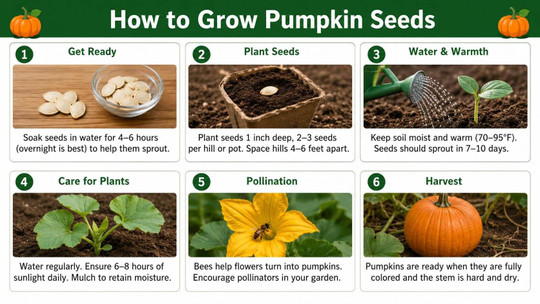
Before planting, soak pumpkin seeds in water for 4–6 hours or overnight. This helps soften the seed coat and can encourage faster germination.
Tips:
- Use fresh, viable seeds.
- Discard damaged or cracked seeds.
- Soaking is optional but often improves sprouting rates.
2. Plant the Seeds
Pumpkins thrive in warm soil and full sunlight. Plant seeds about 1 inch deep in well-draining soil after the danger of frost has passed.
Planting Guidelines:
- Sow 2–3 seeds per hill or planting spot.
- Space hills 4–6 feet apart.
- Choose an area with plenty of room for vines to spread.
Pumpkin plants are heavy feeders, so adding compost or aged manure before planting can improve growth.
3. Provide Water and Warmth
Pumpkin seeds germinate best when soil temperatures remain between 70°F and 95°F.
Watering Tips:
- Keep the soil consistently moist but not waterlogged.
- Water deeply rather than frequently.
- Avoid letting the soil completely dry out during germination.
Most pumpkin seeds sprout within 7–10 days under ideal conditions.
4. Care for Growing Plants
Once seedlings emerge, thin weaker plants and leave the strongest seedlings in each hill.
Essential Care:
- Provide 6–8 hours of direct sunlight daily.
- Water regularly, especially during hot weather.
- Apply mulch around plants to help retain moisture and suppress weeds.
- Feed with a balanced fertilizer throughout the growing season.
Healthy pumpkin vines grow quickly and can spread several feet across the garden.
5. Encourage Pollination
Pumpkin plants produce large yellow flowers that rely on pollinators, especially bees, for fruit production.
Ways to Improve Pollination:
- Plant pollinator-friendly flowers nearby.
- Avoid spraying insecticides when flowers are open.
- Hand-pollinate if bee activity is low.
Good pollination leads to larger pumpkins and higher yields.
6. Harvest Your Pumpkins
Most pumpkin varieties are ready to harvest in 90–120 days, depending on the type grown.
Signs Pumpkins Are Ready:
- The pumpkin has developed its full color.
- The rind is hard and difficult to puncture with a fingernail.
- The stem becomes dry and tough.
Use pruning shears to cut pumpkins from the vine, leaving a few inches of stem attached. This helps improve storage life.
Common Pumpkin Growing Problems
Poor Germination
- Soil too cold
- Overwatering
- Old or non-viable seeds
Flowers But No Pumpkins
- Lack of pollinators
- Excess nitrogen fertilizer
- Poor weather during flowering
Small Pumpkins
- Insufficient water
- Nutrient deficiencies
- Too many fruits on one vine
Final Thoughts
Growing pumpkins from seed is a fun and rewarding gardening project suitable for beginners and experienced gardeners alike. By providing warm soil, regular watering, full sun, and proper pollination, you can enjoy healthy vines and a plentiful pumpkin harvest. Start with quality seeds, give them space to grow, and you'll be rewarded with beautiful pumpkins ready for fall festivities and delicious homemade recipes.