
Posted by TJ Hopkins on Jun 11th 2026
How to Keep Rabbits Out of Your Vegetable Garden
Nothing is more frustrating than spending weeks caring for your vegetable garden only to discover that rabbits have been helping themselves to your lettuce, beans, carrots, and other tender plants. Rabbits are common garden pests that can quickly damage young seedlings and mature vegetables alike. Fortunately, there are several effective ways to protect your garden and keep these furry visitors at a distance.
Why Rabbits Love Vegetable Gardens
Vegetable gardens provide rabbits with an easy source of food, shelter, and protection from predators. They are especially attracted to:
- Lettuce
- Spinach
- Carrots and carrot tops
- Peas
- Beans
- Beet greens
- Cabbage
- Young seedlings
Because rabbits feed primarily during dawn and dusk, many gardeners don't realize they have a rabbit problem until significant damage has already occurred.
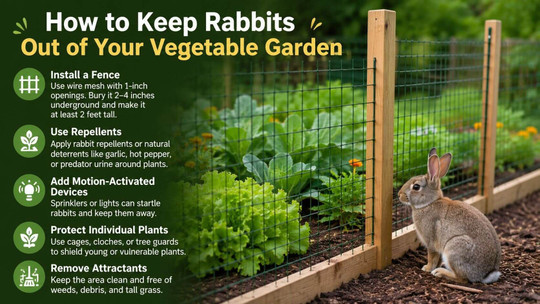
1. Install a Rabbit-Proof Fence
A fence is often the most reliable solution for keeping rabbits out of your garden.
Fence Tips:
- Use wire mesh with openings no larger than 1 inch.
- Make the fence at least 2 feet tall.
- Bury the bottom 2–4 inches underground to prevent digging.
- Secure the fence tightly to sturdy posts.
A properly installed fence can provide season-long protection for your vegetables.
2. Use Rabbit Repellents
Commercial rabbit repellents can help discourage feeding by creating unpleasant tastes or scents.
Natural deterrents include:
- Garlic sprays
- Hot pepper sprays
- Predator urine products
- Strong-smelling herbs
After heavy rain, repellents should be reapplied to maintain effectiveness.
3. Add Motion-Activated Deterrents
Rabbits are cautious animals and often avoid areas with sudden movement or noise.
Consider:
- Motion-activated sprinklers
- Motion-sensor lights
- Garden pinwheels
- Reflective objects
These deterrents can startle rabbits and encourage them to find food elsewhere.
4. Protect Individual Plants
If fencing an entire garden isn't practical, protect vulnerable plants individually.
Options include:
- Wire cages
- Garden cloches
- Plant covers
- Tree guards for young fruit trees
This method works particularly well for seedlings and newly transplanted vegetables.
5. Remove Rabbit-Friendly Habitat
Reducing hiding places around your garden can make the area less attractive to rabbits.
Keep the area:
- Free of tall grass
- Clear of brush piles
- Clean of weeds
- Free from excess debris
Rabbits prefer locations where they can quickly hide from predators.
6. Grow Rabbit-Resistant Plants Nearby
While no plant is completely rabbit-proof, some are less appealing than others.
Popular rabbit-resistant plants include:
- Marigolds
- Lavender
- Rosemary
- Sage
- Thyme
- Catmint
- Yarrow
Planting these around garden borders may help discourage rabbit activity.
Signs Rabbits Are Visiting Your Garden
Watch for these common signs:
- Clean-cut stems and leaves
- Missing seedlings overnight
- Small round droppings
- Tracks in soft soil
- Damage concentrated near the ground
Identifying rabbit damage early can help you take action before major losses occur.
Final Thoughts
The best defense against rabbits is a combination of strategies. A sturdy fence paired with repellents, habitat management, and plant protection can dramatically reduce garden damage. By taking preventative measures early in the season, you can enjoy a healthy vegetable garden while encouraging rabbits to feed elsewhere.
With a little planning and persistence, your vegetables can stay where they belong—on your table instead of becoming a rabbit buffet.