
Posted by TJ Hopkins on Jul 16th 2026
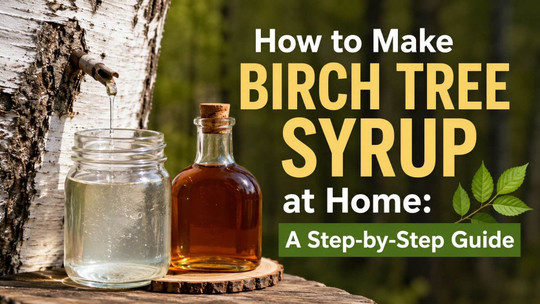
How to Make Birch Tree Syrup at Home: A Step-by-Step Guide
Birch tree syrup is a rare and flavorful natural sweetener made by boiling down the sap collected from birch trees. Unlike maple syrup, birch syrup has a rich, caramel-like flavor with hints of molasses, spice, and fruit. While it takes a significant amount of sap to produce even a small bottle of syrup, making it yourself can be a rewarding springtime project.
Whether you have paper birch, yellow birch, or black birch trees on your property, this guide will walk you through the entire process.
What Is Birch Tree Syrup?
Birch tree syrup is made by collecting sap from birch trees during the spring thaw and slowly evaporating the water until a thick syrup remains. Because birch sap contains much less sugar than maple sap, it requires approximately 100 to 150 gallons of sap to make one gallon of syrup.
The result is a dark amber syrup with a unique flavor that's perfect for pancakes, waffles, meats, glazes, desserts, and marinades.
Best Birch Trees for Syrup
Several birch species can be tapped, including:
- Paper Birch (Betula papyrifera)
- Yellow Birch (Betula alleghaniensis)
- River Birch (Betula nigra)
- Black Birch (Betula lenta)
- Alaska Birch (Betula neoalaskana)
Healthy trees at least 10 inches in diameter are best suited for tapping.
When to Tap Birch Trees
Birch sap flows later than maple sap.
The ideal tapping season is:
- Early to mid-spring
- After maple season ends
- When daytime temperatures rise above freezing and nights remain cool
Depending on your location, this usually occurs from late March through April.
Supplies You'll Need
- Drill with a 7/16-inch or appropriate-sized bit
- Birch tree tap (spile)
- Hammer or rubber mallet
- Food-grade bucket or sap bag
- Lid to keep debris out
- Food-safe tubing (optional)
- Large stainless steel boiling pot
- Outdoor propane burner or evaporator
- Thermometer
- Fine filter or syrup filter
- Sterilized glass bottles or jars
Step 1: Choose a Healthy Tree
Select a mature birch tree that is:
- At least 10 inches in diameter
- Healthy with no major trunk damage
- Growing vigorously
- Located away from polluted roads or contaminated areas
Larger trees can safely support more than one tap.
Step 2: Drill the Tap Hole
Drill a hole:
- About 1½ to 2 inches deep
- Slightly angled upward
- Into healthy wood
Clear out any wood shavings.
Step 3: Insert the Spile
Gently tap the spile into the hole using a rubber mallet.
Do not hammer too hard, as this can split the bark.
Sap may begin dripping immediately if conditions are right.
Step 4: Collect the Sap
Hang your bucket or connect tubing to a collection container.
Check daily.
Fresh sap should be processed within 24 to 48 hours and kept cool to prevent spoilage.
Step 5: Filter the Sap
Before boiling, strain the sap through cheesecloth or a fine mesh filter to remove:
- Bark
- Insects
- Debris
- Dirt
Clean sap produces cleaner syrup.
Step 6: Boil the Sap
This is the longest step.
Place the sap in a large stainless steel pot and boil outdoors over high heat.
As water evaporates:
- Add more sap as space becomes available.
- Never leave boiling sap unattended.
- Continue reducing until the syrup begins to thicken.
Expect a long boiling process because birch sap contains only about 0.5% to 1.5% sugar.
Step 7: Finish Carefully
As the syrup nears completion:
- Lower the heat.
- Watch closely to prevent scorching.
- Stir occasionally.
Finished birch syrup reaches approximately 219°F (104°C) at sea level, or about 7°F above the boiling point of water in your location.
Step 8: Filter the Syrup
Hot syrup often contains sugar sand and minerals.
Filter it while hot using:
- Syrup filters
- Orlon filters
- Multiple layers of cheesecloth
Filtering improves clarity and shelf life.
Step 9: Bottle the Syrup
Pour the hot syrup into sterilized glass bottles or jars.
Seal immediately.
Store unopened bottles in a cool, dark location.
Once opened, refrigerate and use within several months.
How Much Sap Does It Take?
Birch syrup requires much more sap than maple syrup.
Approximate yields:
- 100 gallons of sap = 1 gallon of syrup
- 25 gallons = about 1 quart
- 6 gallons = roughly 1 cup of syrup
Actual yields vary depending on sugar content.
What Does Birch Syrup Taste Like?
Birch syrup has a bold, complex flavor unlike maple syrup.
Many people describe it as having notes of:
- Caramel
- Brown sugar
- Molasses
- Toffee
- Dried fruit
- Balsamic vinegar
- Spice
It pairs especially well with savory dishes.
Delicious Ways to Use Birch Syrup
Try birch syrup on:
- Pancakes and waffles
- French toast
- Oatmeal
- Yogurt
- Ice cream
- Salmon
- Pork
- Chicken
- Roasted vegetables
- Salad dressings
- BBQ sauces
- Marinades
- Cocktails
Tips for Success
- Tap only healthy, mature trees.
- Process sap as quickly as possible.
- Boil outdoors to avoid excessive indoor humidity.
- Avoid overcooking, which can burn the syrup.
- Sterilize bottles before filling.
- Remove taps at the end of the season so the tree can heal naturally.
Frequently Asked Questions
Is birch syrup sweeter than maple syrup?
No. Birch syrup has a lower sugar content and a more robust, less sweet flavor.
Can you drink birch sap?
Yes. Fresh birch sap is safe to drink and has a mildly sweet, refreshing taste.
Does tapping hurt the tree?
Healthy trees recover well from proper tapping. The hole naturally seals over time.
How long does homemade birch syrup last?
Properly sealed syrup can last for a year or more in a cool pantry. Refrigerate after opening.
Final Thoughts
Making birch tree syrup takes patience, but the reward is a unique, gourmet syrup unlike anything found in most grocery stores. By tapping healthy trees responsibly, carefully collecting fresh sap, and slowly boiling it into syrup, you can enjoy one of nature's most distinctive spring harvests right from your own backyard.