
Posted by TJ Hopkins on Jul 11th 2026
How to Plant an Avocado Pit From the Grocery Store
After enjoying a fresh avocado, you may wonder whether the large pit inside can be planted and grown into a tree. The answer is yes! Grocery-store avocado pits can germinate and develop into attractive houseplants with glossy green leaves.
Growing an avocado from a pit is also a fun gardening project for children and adults. Although a seed-grown avocado tree may take many years to produce fruit—and may never produce fruit indoors—the process of watching the roots and stem emerge is rewarding.
There are two common ways to start an avocado pit: suspending it over water with toothpicks or planting it directly in soil. The water method makes it easier to watch the roots develop, while planting directly in soil creates a more natural growing environment.
Can You Really Grow an Avocado Tree From a Store-Bought Pit?
Yes, most fresh avocado pits from grocery-store fruit are capable of germinating. However, successful growth depends on the freshness and condition of the pit.
Avoid using pits that are deeply cut, cracked, shriveled, moldy, or damaged. A healthy avocado pit should feel firm and solid.
Keep in mind that an avocado grown from seed will not necessarily produce the same type or quality of fruit as the avocado it came from. Commercial avocado trees are usually grafted to preserve desirable fruit characteristics.
Even if your tree never produces avocados, it can still become a beautiful tropical-looking houseplant.
What You Will Need
To grow an avocado pit using the water method, gather the following supplies:
- One fresh avocado pit
- Three or four toothpicks
- A clear glass or small jar
- Clean water
- A warm location with bright, indirect light
- A container with drainage holes
- Well-draining potting soil
Step 1: Carefully Remove and Clean the Avocado Pit
Cut the avocado open carefully to avoid damaging the pit. Remove the pit and gently wash away all remaining fruit.
Use lukewarm water and your fingers to clean the surface. Avoid using soap, bleach, or harsh cleaners.
Some avocado pits have a thin brown outer covering. It is not necessary to remove this layer. If some of it loosens naturally while washing, that is usually fine.
Step 2: Identify the Top and Bottom
Before placing the pit in water, determine which end is the top and which is the bottom.
The slightly pointed or narrower end is generally the top. This is where the stem will emerge.
The broader, flatter end is the bottom. This is where the roots will develop.
The bottom of the pit must remain in contact with water. Placing the pit upside down may prevent proper germination.
Step 3: Insert the Toothpicks
Carefully insert three or four toothpicks around the middle of the avocado pit. Space them evenly so they can support the pit along the rim of the glass.
Insert each toothpick at a slight downward angle. This positioning allows more of the bottom portion of the pit to sit in the water.
Avoid pushing the toothpicks too deeply into the seed. They only need to go far enough to remain secure.
Step 4: Suspend the Pit Over Water
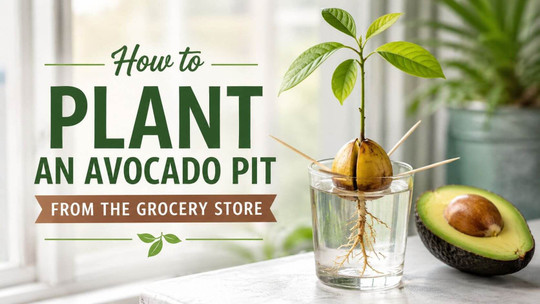
Fill a clear glass or jar with clean water. Rest the toothpicks on the rim so the avocado pit remains suspended above the glass.
Keep approximately the bottom one-third to one-half of the pit submerged. The pointed top should remain above the water.
A clear container makes it easy to watch for root growth and monitor the water level.
Step 5: Place It in a Warm, Bright Location
Place the glass in a warm area that receives plenty of bright, indirect light.
A windowsill can work well, but avoid intense afternoon sunlight that may overheat the water or dry out the pit. Temperatures between approximately 65°F and 80°F are generally suitable.
Keep the pit away from cold drafts, heating vents, and frequently opened exterior doors.
Step 6: Keep the Water Fresh
Check the water level every few days and add more when necessary. The bottom of the pit should remain submerged throughout the germination process.
Replace the water about once a week, or sooner if it becomes cloudy or develops an odor. Fresh water helps limit the growth of bacteria and mold.
When changing the water, gently rinse the glass without damaging any developing roots.
Step 7: Wait for the Pit to Sprout
Avocado pits do not always germinate quickly. Some begin opening within two to four weeks, while others may take six to eight weeks or longer.
During germination, you may notice the following changes:
- The outer brown covering begins to crack.
- The pit splits open from top to bottom.
- A small root emerges from the bottom.
- The main root grows longer and develops smaller side roots.
- A green shoot emerges from the top.
Do not pull the two halves apart when the pit begins splitting. This is a normal part of germination.
Be patient and continue keeping the bottom of the pit in fresh water.
Step 8: Allow the Roots and Stem to Develop
Wait until the main root is several inches long and the young stem has developed leaves before moving the avocado plant into soil.
Handle the roots carefully because they can be fragile and easily damaged.
If the stem grows tall and thin, provide brighter indirect light. Insufficient light may cause weak, stretched growth.
Step 9: Plant the Sprouted Pit in Soil
Choose a container approximately 6 to 8 inches wide with drainage holes in the bottom.
Fill the container with a loose, well-draining potting mix. A standard indoor potting mix amended with perlite can help prevent the soil from remaining overly wet.
Make a hole large enough to accommodate the roots without bending or breaking them. Carefully place the roots into the soil.
Leave the upper half of the avocado pit exposed above the soil surface. Avoid burying the entire pit because excess moisture around the seed may encourage rot.
Gently firm the soil around the roots and water thoroughly. Allow excess water to drain from the bottom of the container.
Caring for Your Young Avocado Tree
Once planted, your avocado seedling will need consistent care to continue growing.
Light
Place the plant where it receives at least six hours of bright light each day. A sunny window is often suitable after the young plant gradually adjusts to stronger sunlight.
Rotate the container every week or two to encourage balanced growth.
Water
Keep the soil lightly and evenly moist while the plant becomes established. Avoid keeping it constantly wet or soggy.
Water when the top inch of soil begins to feel dry. Empty any excess water that collects in the saucer beneath the container.
Yellow leaves may be a sign of excessive watering, while wilted or dry leaves may indicate that the plant needs more moisture.
Temperature
Avocado trees prefer warm temperatures. Protect young plants from frost and temperatures below approximately 50°F.
Indoor temperatures between 65°F and 80°F are generally comfortable for avocado plants.
Fertilizer
Allow the newly planted seedling time to establish before applying fertilizer. After it begins producing healthy new growth, use a balanced houseplant fertilizer according to the product directions.
Avoid overfertilizing, as excessive fertilizer can damage young roots.
Pruning
When the young tree reaches approximately 12 inches tall, pinching or lightly pruning the growing tip may encourage branching and create a fuller plant.
Continue trimming overly long growth as needed to maintain a manageable shape.
Can You Plant an Avocado Pit Directly in Soil?
Yes. You can skip the toothpick method and plant a fresh avocado pit directly in potting soil.
Place the pit with the broad end facing downward and leave the upper half exposed. Keep the soil lightly moist and place the container in a warm location with bright, indirect light.
The soil method requires less handling because the young roots do not need to be moved from water into soil. However, you will not be able to watch the roots develop.
Common Problems When Growing an Avocado Pit
The Pit Is Not Sprouting
Some avocado pits take longer than others. Continue providing warmth and keeping the bottom submerged in fresh water.
If the pit becomes soft, dark, moldy, or develops a strong unpleasant odor, it may be rotting. Starting with a fresh pit may be the best option.
The Water Becomes Cloudy
Cloudy water may develop because of bacteria or decaying organic material. Replace the water, rinse the container, and refill it with clean water.
The Roots Turn Brown
Some light browning may occur naturally, but very dark, soft, or slimy roots may indicate poor water quality or decay.
Change the water regularly and avoid damaging the roots.
The Leaves Develop Brown Tips
Brown leaf tips may be caused by dry indoor air, inconsistent watering, fertilizer buildup, or minerals in tap water.
If the problem continues, try using filtered water and make sure excess water drains freely from the container.
The Plant Becomes Tall and Thin
A thin, stretched stem usually indicates that the plant needs more light. Move it gradually to a brighter location and rotate the container regularly.
Will an Avocado Tree Grown From a Pit Produce Fruit?
It is possible, but fruit production is not guaranteed.
Avocado trees grown from seed may take seven to fifteen years or longer to mature enough to produce flowers. Some never produce fruit, especially when grown indoors.
Even if fruit develops, it may look or taste different from the original grocery-store avocado because seed-grown trees are genetically unique.
For reliable fruit production, gardeners typically purchase a grafted avocado tree suited to their growing climate.
Can an Avocado Tree Grow Outdoors?
Avocado trees prefer warm climates and are sensitive to freezing temperatures. Gardeners in warm regions may be able to grow them outdoors throughout the year.
In colder climates, avocado plants are generally best grown in containers. They can spend warm summer months outdoors but should be moved inside before temperatures become too cold.
When moving an indoor plant outdoors, gradually introduce it to stronger sunlight over one to two weeks. Sudden exposure to intense sun can scorch the leaves.
Final Thoughts
Planting an avocado pit from the grocery store is an inexpensive and enjoyable way to grow a tropical-looking plant. With fresh water, warmth, bright light, and patience, the pit can develop roots, produce a stem, and grow into an attractive avocado tree.
Although a seed-grown tree may never produce avocados, watching a discarded pit transform into a thriving green plant makes the project worthwhile.