
Posted by TJ Hopkins on Jul 9th 2026
How to Plant Rainbow Carrot Seeds for a Colorful Harvest
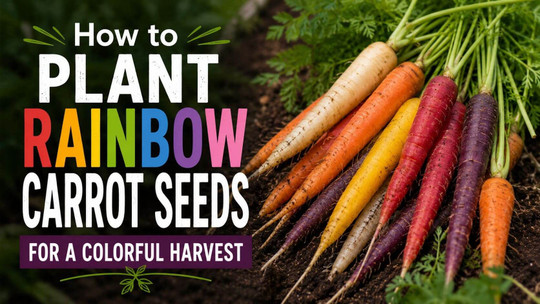
Rainbow carrots are a fun and colorful addition to any vegetable garden. Instead of growing only traditional orange carrots, rainbow carrot seed mixes can produce roots in shades of purple, red, yellow, white, and orange. Each color may have a slightly different flavor, ranging from sweet and mild to rich and earthy.
Carrots are easy to grow from seed when planted in loose, well-prepared soil. Because carrots develop long roots underground, proper soil preparation, consistent moisture, and correct seed spacing are important for producing straight, healthy carrots.
What Are Rainbow Carrots?
Rainbow carrots are a colorful mixture of carrot varieties rather than one single variety. Depending on the seed mix, your harvest may include several different colors, shapes, and flavors.
Purple carrots often have a rich, earthy flavor, while yellow and white carrots tend to be mild and sweet. Red carrots may have a slightly deeper flavor, and orange carrots provide the familiar sweetness most gardeners recognize.
Growing a mixture creates a colorful harvest that is excellent for fresh eating, roasting, salads, soups, and vegetable trays.
When to Plant Rainbow Carrot Seeds
Carrots are cool-season vegetables that grow best during the mild temperatures of spring and fall.
Plant rainbow carrot seeds outdoors about two to four weeks before your average last spring frost. Carrot seeds can germinate in cool soil, although germination may take longer when soil temperatures are low.
For a fall harvest, sow seeds approximately 10 to 12 weeks before your expected first fall frost. Carrots exposed to cool fall temperatures often develop an especially sweet flavor.
Gardeners can also plant new rows every two to three weeks during the growing season for a continuous harvest.
Choose the Right Planting Location
Select a garden location that receives at least six to eight hours of direct sunlight each day. Carrots can tolerate light shade, but full sun generally encourages stronger growth and larger roots.
The planting area should have loose, deep, well-draining soil. Heavy clay, rocks, compacted ground, and large pieces of organic material can cause carrots to become twisted, forked, or misshapen.
Raised garden beds and deep containers are excellent choices when native garden soil is rocky or compacted.
Prepare the Soil
Loosen the soil to a depth of at least 10 to 12 inches before planting. Remove rocks, sticks, roots, and hard clumps that may interfere with carrot development.
Mix well-aged compost into poor soil to improve its texture and drainage. Avoid adding fresh manure immediately before planting because high nitrogen levels may encourage excessive leafy growth or cause roots to become forked.
Rake the surface until the soil is fine, smooth, and level.
How to Plant Rainbow Carrot Seeds
Carrot seeds are very small and should be planted close to the soil surface.
Create shallow rows approximately ¼ inch deep. Sprinkle the seeds thinly along each row, leaving about one inch between seeds when possible.
Cover the seeds lightly with fine soil or compost and gently press the surface to ensure good contact between the seeds and soil.
Space rows approximately 12 to 18 inches apart. Water carefully using a gentle spray so the tiny seeds are not washed away.
Keep the Soil Consistently Moist
Consistent moisture is one of the most important parts of successfully growing carrots from seed.
Carrot seeds may take 7 to 21 days to germinate, depending on soil temperature and growing conditions. During this period, do not allow the soil surface to dry out completely.
Water lightly whenever needed to keep the upper layer of soil evenly moist but not waterlogged. A thin layer of fine compost or lightweight mulch may help retain moisture, but avoid covering the seeds too deeply.
Once seedlings are established, water deeply enough to encourage healthy root growth. Carrots generally benefit from approximately one inch of water per week, although additional watering may be necessary during hot or dry weather.
Thin Rainbow Carrot Seedlings
Thinning is essential because crowded carrots compete for sunlight, moisture, nutrients, and underground growing space.
When seedlings reach about two inches tall, thin them so the remaining plants are approximately one to two inches apart.
Thin the carrots again as they grow, leaving approximately two to three inches between plants for larger roots.
Use scissors to cut unwanted seedlings at soil level instead of pulling them. Pulling nearby seedlings may disturb the roots of the carrots you want to keep.
Add Mulch Around the Plants
Once the seedlings are established, apply a thin layer of organic mulch around the plants.
Straw, shredded leaves, or untreated grass clippings can help conserve moisture, reduce weeds, and maintain more consistent soil temperatures.
Keep heavy mulch away from very young seedlings until they are strong enough to grow through it.
Fertilizing Rainbow Carrots
Carrots generally do not require heavy fertilization when grown in healthy soil.
Avoid fertilizers that contain excessive nitrogen because they may encourage large, leafy tops while producing small or poorly formed roots.
If additional nutrients are needed, use a balanced or low-nitrogen vegetable fertilizer according to the product instructions.
Common Rainbow Carrot Growing Problems
Carrots may develop unusual shapes when growing conditions are less than ideal.
Forked or twisted roots are commonly caused by rocky soil, compacted ground, fresh manure, or transplanting. Carrots should be planted directly in their permanent growing location because their delicate roots do not transplant well.
Small carrots may result from overcrowding, poor soil, insufficient sunlight, or harvesting too early.
Cracked roots are often caused by inconsistent watering. Keeping the soil evenly moist can help reduce sudden changes in root growth.
Green carrot shoulders may develop when the upper portion of the root is exposed to sunlight. Cover exposed carrot tops with a small amount of soil or mulch.
Watch for Carrot Pests
Carrot rust flies, aphids, cutworms, and wireworms may occasionally damage carrot plants.
Keeping the garden free of weeds and old plant debris may help reduce pest problems. Lightweight row covers can protect young plants from certain insects.
Rotate carrots and other related crops to a different garden location each year whenever possible.
Growing Rainbow Carrots in Containers
Rainbow carrots grow well in containers when given enough depth.
Choose a container that is at least 12 inches deep and has drainage holes. Fill it with loose, high-quality potting mix rather than heavy garden soil.
Plant the seeds approximately ¼ inch deep and keep the soil consistently moist during germination.
Short or rounded carrot varieties may perform especially well in smaller containers.
When to Harvest Rainbow Carrots
Most rainbow carrots are ready to harvest approximately 60 to 80 days after planting, although the exact timing depends on the varieties included in the mix.
Check the seed packet for the expected number of days to maturity.
Carrots are usually ready when the visible shoulders near the soil surface reach about ½ to one inch in diameter. You can harvest smaller carrots early for tender baby carrots or allow them to mature for larger roots.
Loosen the soil beside the carrots with a garden fork before gently pulling them by their leafy tops.
Storing Fresh Rainbow Carrots
Remove the leafy tops after harvesting because the leaves continue drawing moisture from the roots.
Do not wash carrots until you are ready to use them if you plan to store them for an extended period.
Place the carrots in a perforated plastic bag or produce container and store them in the refrigerator. Properly stored carrots may remain fresh for several weeks.
Enjoy Your Colorful Carrot Harvest
Growing rainbow carrots from seed is an easy way to add variety and color to your vegetable garden. The colorful roots are attractive, flavorful, and useful in many recipes.
Prepare deep, loose soil, sow the seeds shallowly, maintain consistent moisture, and thin the seedlings as they grow. With proper care, your garden can produce a beautiful harvest of purple, red, yellow, white, and orange carrots.