
Posted by TJ Hopkins on Apr 24th 2026
How to Prune Plants Correctly
Pruning is one of the most important gardening skills you can learn. Done correctly, it keeps your plants healthy, encourages stronger growth, improves airflow, and boosts flowering and fruit production. Done incorrectly… it can stress or even damage your plants.
Here’s a simple, practical guide to help you prune with confidence.
Why Pruning Matters
Pruning isn’t just about making plants look neat. It helps:
- Remove dead or diseased growth
- Improve air circulation and sunlight penetration
- Encourage new shoots and blooms
- Maintain shape and size
Think of it as giving your plant a fresh start.
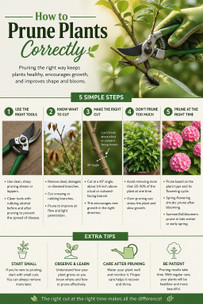
Step 1: Use the Right Tools
Start with clean, sharp tools—this makes a bigger difference than most people realize.
Best tools to use:
- Hand pruners (for small stems)
- Loppers (for thicker branches)
- Pruning saw (for large limbs)
Pro tip:
Always disinfect your tools with rubbing alcohol before and after pruning. This prevents spreading plant diseases.
Step 2: Know What to Cut
Before you start snipping, take a minute to look at your plant.
Remove:
- Dead, dry, or damaged branches
- Diseased or discolored growth
- Crossing or rubbing branches
- Weak or spindly stems
This clears space for healthier growth and better structure.
Step 3: Make the Right Cut
Where and how you cut matters just as much as what you cut.
Follow these basics:
- Cut about ¼ inch above a bud
- Choose a bud facing outward (this shapes the plant outward, not inward)
- Make your cut at a 45° angle
This encourages new growth in the right direction and prevents water from sitting on the cut.
Step 4: Don’t Overdo It
A common mistake is removing too much at once.
Rule of thumb:
Never remove more than 25–30% of a plant at one time.
Over-pruning can:
- Stress the plant
- Slow growth
- Reduce flowering
When in doubt, prune less—you can always come back later.
Step 5: Prune at the Right Time
Timing depends on the type of plant and when it blooms.
- Spring-flowering plants (like lilacs or forsythia): prune after they bloom
- Summer/fall bloomers: prune in late winter or early spring
- Evergreens: light pruning anytime, heavier pruning in early spring
Knowing your plant’s cycle makes a big difference in results.
Extra Tips for Better Results
Start small
If you’re new, make a few cuts and observe how the plant responds.
Watch and learn
Each plant grows differently—pay attention and adjust your technique.
Care after pruning
Water your plant well and keep an eye on it for a week or two.
Be patient
Healthy growth takes time, but proper pruning pays off with stronger, more beautiful plants.
Final Thoughts
Pruning might feel intimidating at first, but it’s one of the fastest ways to improve your garden. With the right tools, proper cuts, and good timing, you’ll help your plants grow fuller, healthier, and more productive.
Remember: The right cut at the right time makes all the difference.