
Posted by TJ Hopkins on Jul 11th 2026
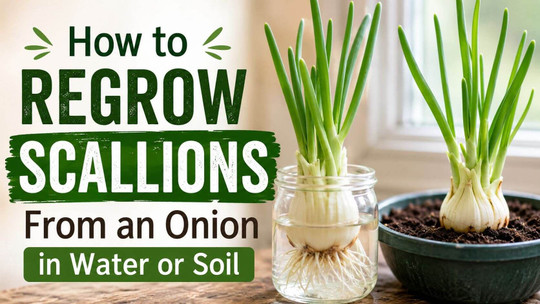
How to Regrow Scallions From an Onion in Water or Soil
Scallions, also called green onions, are among the easiest vegetables to regrow at home. Instead of tossing an onion that has started producing green shoots, you can place it in water or plant it in soil and enjoy fresh green onion tops.
This simple gardening project requires very little space and can be done indoors on a sunny windowsill. With water, sunlight, and a little patience, new green shoots may begin growing within just a few days.
Whether you have a sprouting onion in the pantry or the rooted end of a green onion bunch, here is how to turn it into a steady supply of fresh scallion greens.
Can You Grow Scallions From a Regular Onion?
Yes, many regular onions can produce edible green shoots that are similar to scallions. Yellow, white, and red onions may all begin sprouting when stored long enough, especially in warm or humid conditions.
Planting or placing the onion in water encourages those green shoots to continue growing. The new tops have a mild onion flavor and can be harvested for salads, soups, baked potatoes, eggs, sandwiches, stir-fries, and many other dishes.
Keep in mind that a mature bulb onion and a true scallion are not exactly the same plant. However, the tender green leaves produced by a sprouting onion can be harvested and used much like scallions.
What You Will Need
Depending on the growing method you choose, gather the following supplies:
- One firm onion with visible green shoots or healthy roots
- A small glass, jar, or shallow bowl
- Fresh water
- A flowerpot or container with drainage holes
- Well-draining potting soil
- A sunny windowsill or grow light
- Clean scissors for harvesting
Avoid using onions that are extremely soft, moldy, slimy, or badly rotted. A firm onion with healthy green growth is the best choice.
How to Regrow Scallions From an Onion in Water
Growing an onion in water is quick, simple, and a great way to watch the roots develop.
Step 1: Choose a Healthy Onion
Select a firm onion that has begun producing green shoots. If the onion already has small roots growing from the bottom, it may establish more quickly.
You can use a whole onion or the rooted base of a green onion. If using leftover green onions, leave approximately 1 to 2 inches of the white portion attached to the roots.
Step 2: Place the Onion in a Container
Choose a small glass or jar that can support the onion without allowing the entire bulb to fall into the water.
Position the onion with the root end facing downward. Add enough water to cover only the roots and the very bottom of the bulb.
Avoid completely submerging the onion. Too much water can cause the bulb to become soft and rot.
Step 3: Place It Near a Sunny Window
Set the container in a bright location that receives several hours of sunlight each day. A sunny kitchen windowsill is often an ideal location.
If natural light is limited, place the onion beneath a grow light for approximately 10 to 14 hours per day.
Step 4: Change the Water Regularly
Replace the water every one to two days to keep it fresh and reduce odors or bacterial growth.
Rinse the container and gently rinse the roots whenever the water becomes cloudy. Always refill the container so only the roots and base remain underwater.
Step 5: Watch for New Growth
New green shoots may begin growing noticeably within two to five days. The roots may also become longer and more numerous.
Growth speed depends on the onion, temperature, and amount of available light.
How to Grow Scallions From an Onion in Soil
Growing an onion in soil is generally better for long-term growth. Soil provides nutrients and allows the roots to develop more naturally.
Step 1: Choose a Container
Select a pot that is at least 6 inches deep and has drainage holes in the bottom.
A single onion can grow in a small pot, while several onion bases can be planted in a wider container. Leave a few inches between plants to provide room for root development.
Step 2: Add Potting Soil
Fill the container with a loose, well-draining potting mix. Avoid using heavy garden soil in indoor containers because it may become compacted and hold too much moisture.
Moisten the soil before planting, but do not make it muddy or waterlogged.
Step 3: Plant the Onion
Place the root end of the onion into the soil. Cover the lower portion of the bulb while leaving the upper section and green shoots above the soil surface.
Gently press the soil around the onion to hold it upright.
If planting the rooted ends of green onions, bury the white base approximately 1 inch deep while keeping the green growth above the soil.
Step 4: Water Thoroughly
Water after planting until excess moisture begins draining from the bottom of the container.
Afterward, water whenever the top inch of soil feels dry. Keep the soil lightly moist but never constantly soggy.
Too much water may cause the onion bulb or roots to rot.
Step 5: Provide Plenty of Light
Place the container in a sunny window where it can receive at least six hours of bright light each day.
Rotate the pot every few days so the green shoots grow evenly instead of leaning strongly toward the window.
Water vs. Soil: Which Method Is Better?
Both methods can successfully produce fresh green onion tops, but each has advantages.
Growing in water is easy, clean, and allows you to see the roots developing. It is an excellent option for quick regrowth and short-term harvesting.
Growing in soil usually supports stronger and more productive growth because the plant receives nutrients and has more room for its roots. Soil is generally the better choice if you want to harvest the greens several times.
You can also begin growing the onion in water and transfer it to soil after a healthy root system develops.
How Long Does It Take for Scallions to Regrow?
You may notice new growth within two to five days. Under warm conditions with plenty of light, the green shoots can grow several inches within one to two weeks.
Growth may be slower during winter when indoor light levels are lower.
For faster, healthier growth:
- Provide plenty of bright light
- Keep temperatures between approximately 60°F and 75°F
- Change the water frequently when using the water method
- Keep soil lightly moist but not saturated
- Use a container with adequate drainage
How to Harvest Regrown Scallions
Wait until the green shoots are approximately 6 to 8 inches tall before harvesting.
Use clean scissors to cut the greens about 1 to 2 inches above the bulb or soil line. Leaving the lower portion intact allows the plant to continue producing new growth.
Harvest only what you need and allow the remaining leaves to continue growing.
The tender green tops can be chopped and added to:
- Scrambled eggs and omelets
- Soups and stews
- Salads
- Baked potatoes
- Tacos
- Sandwiches
- Noodles
- Stir-fries
- Dips and sauces
How Many Times Can You Regrow Scallions?
Scallions may regrow several times, although each new harvest may become thinner or slower.
Plants grown only in water eventually use the stored energy inside the bulb. Once that energy is depleted, growth may weaken or stop.
Moving the onion into soil can help extend its productive life. Even in soil, however, growth will eventually slow as the plant ages.
For the best results, allow enough time between harvests for the leaves to regain height and strength.
Common Problems When Regrowing Scallions
The Onion Is Becoming Soft
A soft bulb may be receiving too much water or beginning to rot.
When growing in water, make sure only the roots and very bottom of the onion are submerged. When growing in soil, allow the top inch of soil to dry slightly before watering again.
The Water Smells Bad
Cloudy or unpleasant-smelling water usually means it has not been changed frequently enough.
Empty and clean the container, gently rinse the roots, and refill it with fresh water.
The Green Shoots Are Pale
Pale or weak growth is often caused by insufficient light.
Move the onion closer to a bright window or provide supplemental lighting with a grow light.
The Leaves Are Falling Over
Long scallion leaves may naturally bend as they grow. However, extremely thin or weak leaves may indicate inadequate light.
Harvesting taller leaves can encourage fresh growth and keep the plant more manageable.
The Onion Is Not Growing
Some onions take longer to begin growing, especially if they have not already sprouted.
Provide warmth and bright light, and make sure the roots remain hydrated. If no growth appears after two weeks and the onion begins becoming soft, replace it with a healthier bulb.
Can You Transfer an Onion From Water to Soil?
Yes. Transferring an onion from water to soil can encourage stronger, longer-lasting growth.
Wait until several healthy roots have developed. Fill a container with moist, well-draining potting mix and gently plant the onion with its roots pointing downward.
Keep the soil lightly moist during the first week while the roots adjust. After the plant becomes established, water whenever the top inch of soil begins to feel dry.
Tips for Keeping Regrown Scallions Healthy
- Use a firm, healthy onion without mold or extensive decay.
- Provide at least six hours of bright light whenever possible.
- Keep only the roots submerged when growing in water.
- Replace water every one to two days.
- Use containers with drainage holes when growing in soil.
- Avoid keeping the potting mix constantly wet.
- Harvest with clean scissors instead of pulling the leaves.
- Leave at least 1 to 2 inches of green growth after cutting.
- Transfer water-grown onions to soil for longer-lasting growth.
Final Thoughts
Regrowing scallions from an onion is an easy way to turn kitchen scraps or a sprouting pantry onion into fresh, edible greens. The water method provides quick results with very little setup, while planting in soil generally encourages stronger and longer-lasting growth.
Place the onion in a bright location, provide consistent moisture without soaking the bulb, and harvest the green shoots as they become tall enough to use. With proper care, you may enjoy several harvests of fresh onion greens from a single bulb.