
Posted by TJ Hopkins on Jul 19th 2026
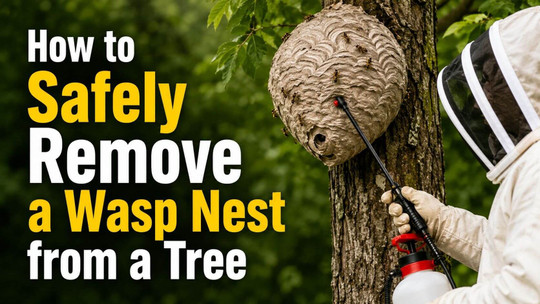
How to Safely Remove a Wasp Nest from a Tree
Discover the safest methods for removing a wasp nest from a tree while protecting yourself, your family, and beneficial wildlife. Learn when you can handle the job yourself, when it's best to call a professional, and how to prevent wasps from returning.
How to Safely Remove a Wasp Nest from a Tree
Finding a wasp nest hanging from a tree can be alarming, especially if it's close to your home, garden, or areas where children and pets play. While many wasps are beneficial predators that help control garden pests, a nest in a high-traffic location can become a safety hazard.
Before attempting removal, it's important to identify the type of insect and understand the risks involved.
Identify the Nest First
Not every flying insect around your tree is a dangerous wasp.
Common tree-nesting insects include:
- Paper wasps
- Yellowjackets
- Bald-faced hornets
- Honey bees (protected in many areas)
- Bumble bees
Honey bee colonies should never be sprayed if they can be relocated by a local beekeeper.
When Should You Remove a Wasp Nest?
Removal is recommended when the nest is:
- Near your home's entrance
- Over a walkway
- Close to children's play areas
- Near patios or decks
- Hanging from low tree branches
- Becoming unusually large
If the nest is high in a tree and far away from people, leaving it alone is often the safest option. Most annual wasp colonies naturally die off after the first hard frost.
Best Time to Remove a Nest
The safest time is:
- Early morning before sunrise
- Late evening after sunset
During these hours, most wasps are inside the nest and much less active.
Avoid removing nests during:
- Midday
- Hot afternoons
- Windy weather
- Rainstorms
Safety Equipment You'll Need
Always protect yourself with:
- Thick long sleeves
- Long pants
- Closed-toe boots
- Heavy gloves
- Protective eyewear
- Bee or wasp veil (recommended)
- Flashlight covered with red cellophane if working after dark
Never wear shorts or sandals.
Step-by-Step Removal
1. Plan an Escape Route
Before approaching the nest, know exactly where you'll retreat if the wasps become aggressive.
2. Use a Wasp Spray Designed for Distance
Choose an aerosol wasp spray that reaches 15–25 feet so you can stay as far away as practical. Follow the product label directions carefully.
3. Saturate the Nest
Aim directly at the entrance and thoroughly soak the entire nest.
Do not immediately knock the nest down.
Wait until all activity has stopped, which may take several hours or overnight.
4. Remove the Nest
Once you're certain the nest is inactive:
- Wear protective gloves.
- Carefully detach the nest using a long-handled tool.
- Place it in a sealed garbage bag.
- Dispose of it with your household trash according to local regulations.
Never Burn a Wasp Nest
Using fire is extremely dangerous because it can:
- Start wildfires
- Damage trees
- Cause burning nests to fall
- Trigger aggressive swarming
Fire is never a safe removal method.
Avoid These Common Mistakes
Don't:
- Throw rocks at the nest
- Hit it with a stick
- Spray it with a garden hose
- Climb unstable ladders
- Vacuum active wasps
- Seal the nest inside a bag while it is still active
These actions often provoke attacks.
When to Call a Professional
Professional pest control is recommended if:
- The nest is larger than a basketball.
- It's over 15 feet high.
- You can't safely reach it.
- Someone nearby has a wasp allergy.
- There are multiple nests.
- The insects appear unusually aggressive.
Professionals have specialized protective equipment and products for safely removing large colonies.
Prevent Future Nests
Reduce future nesting by:
- Regularly inspecting trees during spring.
- Removing small starter nests before they grow (only if no wasps are present).
- Keeping garbage cans tightly sealed.
- Cleaning outdoor food and drink spills.
- Eliminating standing water.
- Pruning dense branches that provide sheltered nesting sites.
Frequently Asked Questions
Will wasps return to the same nest?
No. Most wasp species build a new nest each year, although they may choose nearby locations if conditions remain favorable.
Can I remove a nest during the day?
It's not recommended. Wasps are far more active during daylight hours, increasing the risk of stings.
Is it safe to leave a nest alone?
If the nest is far from people and pets, leaving it undisturbed is often the safest option until winter, when the colony naturally dies off.
Do empty nests attract more wasps?
No. Old nests are generally not reused, but removing them can improve the appearance of your tree and make inspections easier.
Final Thoughts
A wasp nest in a tree doesn't always require immediate action, but when it's located near areas where people spend time, removing it carefully is important for safety. Always wear proper protective clothing, work during the coolest hours of the day, follow the instructions on any insecticide label, and avoid risky methods like burning or striking the nest. If the nest is large, difficult to access, or poses a significant hazard, contacting a licensed pest control professional is the safest choice.