
Posted by TJ Hopkins on Aug 22nd 2026
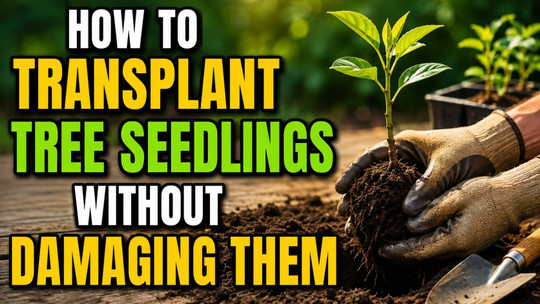
How to Transplant Tree Seedlings Without Damaging Them
Growing trees from seed is incredibly rewarding, but eventually those tiny seedlings need more room to grow. Transplanting is an important stage in a young tree’s development, and doing it incorrectly can damage delicate roots, slow growth, or even kill the seedling.
Fortunately, tree seedlings are usually easy to transplant when you handle them carefully and prepare their new growing location ahead of time. The key is protecting the roots, minimizing stress, and providing the right conditions after transplanting.
Here’s how to transplant tree seedlings without damaging them.
1. Transplant at the Right Time
Timing can make a big difference in how successfully a tree seedling adjusts to its new location.
If you're moving seedlings from seed-starting containers into larger pots, transplant them once they have developed several true leaves and a healthy root system.
For seedlings being planted outdoors, mild weather is usually best. Early spring and fall are excellent transplanting periods for many tree species because temperatures are cooler and the soil generally retains moisture longer.
Avoid transplanting during extremely hot, dry, or windy weather whenever possible.
2. Prepare the New Location First
Always prepare the new pot or planting hole before removing the seedling from its current container.
This minimizes the amount of time the roots are exposed to air.
For container-grown seedlings, choose a pot with adequate drainage holes and fill it with an appropriate growing medium.
For outdoor planting, dig a hole wide enough to comfortably accommodate the seedling's roots without bending, twisting, or crowding them.
Having everything ready allows you to move the seedling immediately into its new location.
3. Water the Seedling Before Transplanting
Water your seedlings before you transplant them.
Slightly moist soil usually holds together better around the roots, helping protect the delicate root system during removal.
You don't want the soil completely waterlogged, but it shouldn't be bone dry either.
Watering several hours before transplanting can make the seedling easier to remove while reducing root disturbance.
4. Handle the Seedling Carefully
Young tree seedlings can be surprisingly fragile.
Avoid pulling a seedling out of its container by its stem. Instead, gently loosen the soil around the edges of the container and carefully remove the entire root ball.
If you're working with very small seedlings, handling them by a leaf rather than squeezing the stem can reduce the chance of serious damage.
The stem is essential to the plant's survival, so treat it gently.
5. Protect the Roots
Healthy roots are one of the most important factors in successful transplanting.
Try to preserve as much of the existing root system as possible.
Fine feeder roots are particularly important because they help the seedling absorb water and nutrients.
Never leave exposed roots sitting in direct sunlight or drying wind. If you cannot plant the seedling immediately, keep the roots moist and protected until you're ready.
6. Don't Force Roots Into a Small Hole
One common transplanting mistake is squeezing a seedling's roots into a planting hole that's too small.
Roots should have enough room to spread naturally.
If you're planting a bare-root seedling, carefully arrange the roots so they aren't folded upward or tightly twisted together.
If the roots are significantly longer than expected, enlarge the planting hole instead of forcing them into it.
7. Plant at the Proper Depth
Planting too deeply can create problems for young trees.
In most cases, the seedling should be planted at approximately the same soil depth at which it was previously growing.
Avoid burying the stem unnecessarily.
When planting outdoors, make sure the root collar—the area where the roots transition into the stem—is positioned appropriately near the soil surface.
8. Gently Fill Around the Roots
Once the seedling is positioned correctly, carefully add soil around its roots.
Use your fingers to gently work soil around larger roots and eliminate major air pockets.
Don't aggressively compact the soil.
Heavily packed soil can reduce oxygen availability and make it more difficult for new roots to grow into the surrounding area.
Lightly firming the soil is generally enough to stabilize the seedling.
9. Water Immediately After Transplanting
Give your newly transplanted seedling a thorough watering.
Water helps settle the soil around the roots and eliminates air pockets while providing moisture to roots that may have been disturbed during transplanting.
Keep the soil consistently moist during the establishment period, but avoid keeping it constantly saturated.
Waterlogged soil can deprive roots of oxygen and encourage root problems.
10. Protect Seedlings From Intense Sun
A freshly transplanted seedling can experience transplant shock, particularly if its roots were disturbed.
Seedlings grown indoors or in protected environments shouldn't immediately be placed in intense outdoor sunlight.
Gradually introduce them to outdoor conditions through a process commonly called hardening off.
Increase their exposure to sunlight, wind, and outdoor temperatures over several days before leaving them outside permanently.
11. Add Mulch Around Outdoor Seedlings
A thin layer of mulch can be helpful when transplanting seedlings into the landscape.
Mulch helps conserve soil moisture, moderate soil temperatures, and reduce competition from weeds.
Spread mulch around the planting area while leaving some open space immediately around the seedling's stem.
Avoid piling mulch directly against the trunk.
12. Don't Fertilize Too Heavily
It can be tempting to give a newly transplanted tree a large dose of fertilizer to encourage faster growth.
More isn't necessarily better.
Young roots can be sensitive to excessive fertilizer, and newly transplanted seedlings should focus primarily on establishing their root systems.
If fertilizer is needed, use an appropriate product and follow the recommended application rate for the tree species and growing conditions.
13. Watch for Transplant Shock
Even when you do everything correctly, a seedling may temporarily show signs of stress after transplanting.
Possible symptoms include:
- Drooping leaves
- Minor leaf discoloration
- Slower growth
- Temporary wilting
- Some leaf loss
Don't immediately assume the seedling is dying.
Keep the soil appropriately moist and protect the young tree from extreme environmental conditions while it establishes new roots.
Transplanting Container-Grown Tree Seedlings
Seedlings grown individually in containers are often easier to transplant because their root systems can remain relatively undisturbed.
Gently slide the root ball from the container while supporting the soil and seedling.
If roots have begun circling tightly around the inside of the pot, gently loosen the outer roots before replanting. However, avoid aggressively tearing apart a young seedling's root system.
Place the intact root ball into the new container or planting hole and fill around it with soil.
Transplanting Bare-Root Tree Seedlings
Bare-root seedlings require additional care because their roots aren't protected by surrounding soil.
Keep the roots moist at all times.
Prepare the planting hole before removing any protective wrapping around the roots. Spread the roots naturally inside the hole and make sure none are severely bent or curled upward.
Fill around the roots gradually, gently firm the soil, and water thoroughly.
How Long Does Transplant Shock Last?
The length of transplant shock varies considerably depending on the tree species, seedling size, weather, root disturbance, and growing conditions.
Small seedlings that were transplanted with an intact root ball may recover relatively quickly.
Seedlings that experienced significant root disturbance can take considerably longer to resume noticeable growth.
During this period, concentrate on consistent moisture and proper environmental conditions rather than trying to force rapid growth with fertilizer.
Common Tree Seedling Transplanting Mistakes
Some of the easiest mistakes to avoid include:
- Pulling seedlings by their stems
- Allowing roots to dry out
- Transplanting during extreme heat
- Damaging fine feeder roots
- Planting seedlings too deeply
- Folding roots into undersized planting holes
- Compacting soil too heavily
- Overwatering after transplanting
- Overfertilizing young seedlings
- Moving indoor seedlings directly into intense sunlight
- Allowing weeds to compete with newly planted trees
- Piling mulch against the stem
Avoiding these problems can significantly improve a seedling's chances of becoming established.
Give Your Tree Seedling Time to Establish
After transplanting, don't be concerned if your seedling doesn't immediately produce lots of new leaves or shoots.
Much of the important growth may initially be happening underground.
The young tree is establishing new roots and adapting to its environment. Once the root system becomes established, stronger above-ground growth can follow.
Continue checking soil moisture and watching for signs of pests, disease, or environmental stress.
Final Thoughts
Successfully transplanting tree seedlings comes down to one major principle: disturb the roots as little as possible.
Prepare the new planting location ahead of time, keep the roots moist, handle the seedling gently, plant it at the correct depth, and water thoroughly after transplanting.
A little extra care during this short process can protect months—or even years—of growth. Once established, that tiny seedling has the potential to develop into a healthy tree that can continue growing for decades.