
Posted by TJ Hopkins on Jul 17th 2026
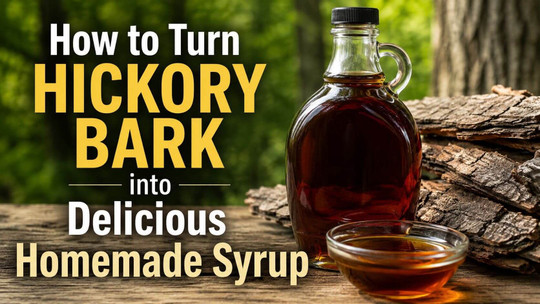
How to Turn Hickory Bark into Delicious Homemade Syrup
Hickory bark syrup is one of the best-kept secrets in the world of wild foraging. Unlike maple syrup, which is made from tree sap, hickory bark syrup gets its rich, smoky flavor from the bark itself. With just a few simple ingredients and a little patience, you can create a unique homemade syrup that's perfect for pancakes, waffles, biscuits, ice cream, cocktails, and barbecue sauces.
If you enjoy foraging or want to try something new from the forest, this easy recipe is well worth making.
What Is Hickory Bark Syrup?
Hickory bark syrup is a sweet syrup infused with the natural smoky aroma of hickory bark. It has a flavor that combines hints of maple syrup, caramel, vanilla, toasted nuts, and a light campfire smokiness.
Unlike maple syrup, no tree tapping is required. The bark naturally sheds from mature shagbark hickory trees, making it an excellent renewable resource when collected responsibly.
Choosing the Right Hickory Tree
The most popular tree for making syrup is:
- Shagbark Hickory (Carya ovata)
Other hickory species may work, but shagbark hickory produces the richest and most aromatic syrup.
Look for:
- Loose strips of naturally peeling bark
- Healthy mature trees
- Bark that has already fallen or is hanging loosely
Never strip bark from a living tree, as this can damage or even kill it.
Supplies You'll Need
- 6–8 large pieces of shagbark hickory bark
- 4 cups water
- 2 cups granulated sugar
- Fine strainer
- Large saucepan
- Glass bottles or mason jars for storage
Step 1: Collect the Bark
Gather bark that has naturally loosened from the tree. Avoid bark that is:
- Moldy
- Rotten
- Covered with excessive moss
- Infested with insects
Choose clean, dry pieces with a strong woody aroma.
Step 2: Clean the Bark
Brush away dirt and debris with a stiff brush.
If needed:
- Rinse quickly with water.
- Pat dry with a towel.
Avoid soaking the bark, which can reduce some of the natural flavor.
Step 3: Roast the Bark
Roasting develops the syrup's signature smoky flavor.
- Preheat your oven to 350°F (177°C).
- Place the bark on a baking sheet.
- Roast for 20–30 minutes.
The bark should become fragrant without burning.
Step 4: Make the Hickory Tea
Place the roasted bark into a large pot.
Add:
- 4 cups water
Bring to a gentle boil.
Reduce heat and simmer for 30–45 minutes.
The water will become dark brown and highly aromatic.
Step 5: Strain the Liquid
Pour the mixture through a fine mesh strainer or cheesecloth.
Discard the bark.
You should now have a rich, smoky hickory tea.
Step 6: Turn It Into Syrup
Return the strained liquid to the saucepan.
Add:
- 2 cups sugar
Bring to a gentle boil while stirring.
Reduce heat and simmer for 15–30 minutes, depending on how thick you like your syrup.
Remember:
The syrup thickens even more as it cools.
Optional Flavor Additions
Many people customize their syrup with extra ingredients such as:
- Vanilla extract
- Cinnamon sticks
- Whole cloves
- Orange peel
- Maple extract
- Bourbon (added after cooking)
These additions create unique variations while preserving the hickory flavor.
How to Store Hickory Bark Syrup
Pour the finished syrup into sterilized glass bottles or mason jars while still hot.
Storage guidelines:
- Refrigerate after opening.
- Keeps for approximately 1–2 months in the refrigerator.
- For longer storage, freeze in freezer-safe containers.
Delicious Ways to Use Hickory Bark Syrup
Try it on:
- Pancakes
- Waffles
- French toast
- Biscuits
- Oatmeal
- Yogurt
- Ice cream
- Cheesecake
- Coffee
- Old Fashioned cocktails
- Glazed ham
- Pork chops
- Barbecue sauce
- Roasted vegetables
Its smoky sweetness also makes an excellent ingredient in homemade baked goods.
Tips for the Best Results
- Collect only naturally shed bark.
- Roast gently without burning.
- Use fresh bark whenever possible.
- Simmer slowly for a richer flavor.
- Store refrigerated after opening.
- Experiment with spices in small batches until you find your favorite blend.
Is Hickory Bark Syrup Safe?
When made from properly identified shagbark hickory bark collected from healthy trees, hickory bark syrup is considered safe to enjoy. Always positively identify the tree before harvesting, and avoid bark from trees that have been treated with chemicals or grow near busy roads where contaminants may accumulate.
Final Thoughts
Making homemade hickory bark syrup is a rewarding way to transform a natural forest resource into something truly delicious. Its distinctive smoky, nutty flavor offers a refreshing alternative to traditional maple syrup and adds a gourmet touch to both sweet and savory dishes.
Whether you're a seasoned forager or simply looking for a unique homemade recipe, hickory bark syrup is an enjoyable project that brings a taste of the woods straight to your kitchen.