
Posted by TJ Hopkins on Sep 24th 2026
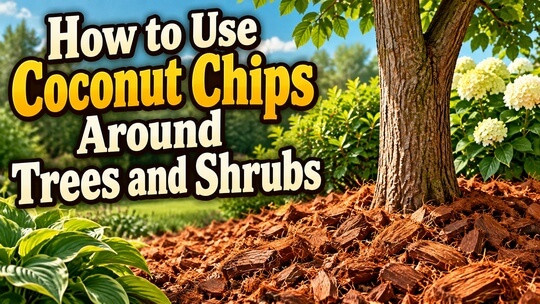
How to Use Coconut Chips Around Trees and Shrubs
Coconut chips are a natural and attractive material that can be used around trees and shrubs to help protect the soil. Made from chopped coconut husks, these lightweight pieces retain moisture, improve airflow and break down slowly over time. They are especially useful in garden beds where you want longer-lasting coverage than finely shredded mulch.
When applied correctly, coconut chips can help reduce watering, discourage weeds and protect plant roots from sudden changes in temperature. They also give landscaped areas a clean, finished appearance.
What Are Coconut Chips?
Coconut chips, sometimes called coco husk chips or coconut coir chips, are small chunks of coconut husk. Unlike fine coconut coir, which has a soil-like texture, coconut chips are larger and create more open space for air and water to move through.
The chips absorb water and release it gradually as the surrounding soil begins to dry. This makes them useful around trees and shrubs that benefit from steady moisture but do not tolerate constantly soggy soil.
Benefits of Using Coconut Chips
Coconut chips provide several benefits when used as mulch:
- Help the soil retain moisture
- Reduce the frequency of watering
- Suppress the growth of weeds
- Protect shallow roots from heat and cold
- Allow air to reach the soil
- Reduce soil erosion and splashing
- Break down slowly and add organic matter
- Give garden beds a neat appearance
Because coconut chips decompose more slowly than many finely shredded mulches, they usually do not need to be replaced as often.
Expand Compressed Coconut Chips First
Coconut chips are frequently sold in compressed blocks. These blocks must be expanded with water before the chips can be spread around plants.
Place the block in a wheelbarrow, large tote, tub or other waterproof container. Slowly add water and allow the block to absorb it. As the material expands, pull the softened sections apart by hand or with a garden tool.
Continue adding small amounts of water until the chips are loose and evenly moistened. Avoid adding too much water at once because it can leave the chips dripping wet and difficult to handle.
Expansion time and the amount of water required will depend on the size and density of the block.
Prepare the Area
Remove weeds, grass, fallen branches and other unwanted material from around the tree or shrub. If the soil is extremely dry, water the area before adding the coconut chips.
Take care when working beneath established trees and shrubs. Digging deeply can damage shallow feeder roots. In most cases, it is better to remove weeds by hand and leave the underlying soil undisturbed.
How Thick Should the Layer Be?
Spread the expanded coconut chips approximately two to three inches deep around established trees and shrubs. This is generally enough to retain moisture and limit weeds without preventing air from reaching the soil.
A very thick layer can remain overly wet or restrict airflow. Avoid piling on more material than necessary, especially in heavy clay soil or areas with poor drainage.
Extend the chips across as much of the root zone as practical. For a newly planted tree, create a wide circle rather than a small mound directly around the trunk.
Keep Coconut Chips Away From Trunks and Stems
Do not pile coconut chips against tree trunks or shrub stems. Leave several inches of open space around the base of each plant.
Material placed directly against bark can trap excess moisture and create favorable conditions for rot, insects and disease. The finished layer should resemble a wide, shallow ring rather than a volcano-shaped mound.
The root flare, where the tree trunk begins to widen near the soil, should remain visible and uncovered.
Water After Applying
After spreading the coconut chips, water the area thoroughly. This helps settle the chips into place and allows moisture to reach the soil beneath them.
Check the soil regularly during the first few weeks. Coconut chips can make the surface appear dry even when the soil below remains moist. Move a small section aside and feel the soil before deciding whether additional water is needed.
Using Coconut Chips Around Newly Planted Trees
New trees require dependable moisture while their roots become established. A two-to-three-inch layer of coconut chips can help prevent the root ball from drying too quickly.
Spread the chips over the planting area while keeping them away from the trunk. Check the soil beneath the layer frequently because newly planted trees may still require regular watering. Coconut chips conserve moisture, but they do not eliminate the need to water.
Using Coconut Chips Around Shrubs
Coconut chips work well around flowering shrubs, evergreen shrubs and foundation plantings. Spread them evenly throughout the bed and leave space around the base of every plant.
For closely planted shrubs, the chips can cover most of the exposed soil between plants. This helps reduce weeds and prevents bare soil from splashing onto lower leaves during heavy rain.
Can Coconut Chips Be Mixed With Other Mulches?
Coconut chips can be used alone or combined with materials such as bark, wood chips, compost or shredded leaves.
A thin layer of finished compost can be placed on the soil before the coconut chips are added. The compost supplies nutrients, while the chips protect the surface and help retain moisture.
Avoid mixing large amounts of fresh coconut chips deeply into the soil around established plants. They are generally most useful as a surface covering.
How Long Do Coconut Chips Last?
The lifespan of coconut chips depends on the climate, moisture level, chip size and activity of organisms in the soil. Larger chips generally break down more slowly than fine coir.
Inspect the area once or twice each year. Fluff compacted chips with a rake and add a light top layer when coverage becomes thin. There is usually no need to remove the older material unless it has developed a problem.
Important Tips for Success
- Expand compressed chips before applying them.
- Keep the layer approximately two to three inches deep.
- Leave open space around trunks and stems.
- Do not cover the tree’s root flare.
- Check the soil before watering.
- Use less material in poorly drained areas.
- Inspect the chips periodically for compaction.
- Add fresh chips only when the existing layer becomes thin.
Are Coconut Chips Right for Every Garden?
Coconut chips can be helpful in many gardens, but they should be used carefully in locations that remain constantly wet. In poorly drained soil, a thick layer may hold more moisture than the plants need.
They may also shift on steep slopes or during heavy runoff. A heavier mulch or edging may be needed to keep the chips in place.
Before using any coconut product, check the package for preparation instructions. If salt content is a concern, rinse the expanded chips thoroughly and allow excess water to drain before applying them around sensitive plants.
Final Thoughts
Coconut chips are a useful alternative to traditional mulch around trees and shrubs. They conserve water, reduce weeds, protect roots and break down slowly while maintaining an attractive appearance.
For the best results, expand the chips completely, spread them in a moderate layer and keep them away from trunks and stems. With proper placement and occasional maintenance, coconut chips can help create healthier soil conditions and a cleaner-looking landscape.