
Posted by TJ Hopkins on Aug 27th 2026
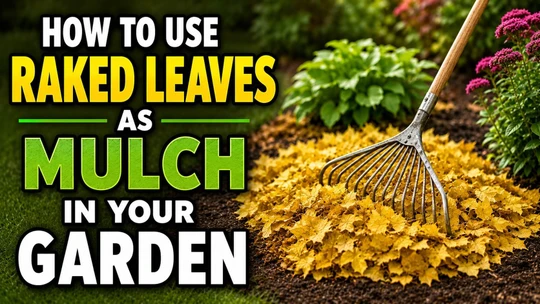
How to Use Raked Leaves as Mulch in Your Garden
Every fall, yards fill up with fallen leaves. Instead of bagging them and sending them away, you can turn those leaves into one of the most useful materials for your garden: free, natural mulch.
Raked leaves can help protect soil, conserve moisture, suppress weeds, improve soil structure, and provide habitat for beneficial organisms. With a little preparation, those piles of autumn leaves can become valuable garden material.
Why Use Leaves as Mulch?
Leaves are nature's own mulch. In forests, fallen leaves accumulate beneath trees, gradually breaking down and returning organic matter and nutrients to the soil.
Using leaves in your garden recreates this natural process. As the leaves decompose, earthworms, fungi, bacteria, and other soil organisms help transform them into rich organic matter.
Leaf mulch can also reduce how much commercial mulch you need to purchase.
Benefits of Using Raked Leaves as Mulch
Adding leaves to your garden provides several benefits throughout fall, winter, and the following growing season.
Helps retain soil moisture: A layer of leaves reduces evaporation, helping the soil remain moist longer.
Suppresses weeds: Leaf mulch blocks sunlight from reaching many weed seeds, reducing their ability to germinate and grow.
Protects the soil: Mulch shields exposed soil from heavy rain, wind, erosion, and temperature fluctuations.
Adds organic matter: As leaves decompose, they contribute organic material that can improve soil structure.
Supports soil life: Earthworms and microorganisms feed on decomposing leaves and help incorporate the material into the soil.
Protects plant roots: A layer of leaves provides insulation that can help moderate soil temperatures during cold winter weather.
Should You Shred Leaves Before Using Them?
You don't always have to shred leaves, but shredded leaves generally make better mulch.
Whole leaves, particularly large ones such as maple leaves, can become wet and form a dense mat. A thick layer may prevent sufficient water and air from reaching the soil.
Shredding the leaves creates smaller pieces that settle more evenly and decompose faster.
One of the easiest methods is to spread dry leaves across your lawn and run over them with a lawn mower. A mower with a collection bag makes it particularly easy to collect the shredded material afterward.
How to Use Raked Leaves as Garden Mulch
Start by collecting healthy fallen leaves from your yard. Shred them with a lawn mower or leaf shredder if possible.
Remove existing large weeds from the area before applying the mulch.
Spread approximately 2 to 4 inches of shredded leaves over the soil around established plants, shrubs, trees, and garden beds. The leaves will settle as they begin decomposing.
Avoid piling leaves directly against plant stems or tree trunks. Leave some open space around the base of plants to improve airflow and reduce excessive moisture against stems and bark.
Using Leaves Around Trees
Leaves work particularly well beneath trees because this closely resembles what naturally happens in forests.
Spread shredded leaves over the root zone rather than creating a mound around the trunk.
Avoid the common practice of creating a "mulch volcano." Mulch piled against a tree trunk can hold excessive moisture against the bark and potentially contribute to problems.
Instead, create a broad, relatively shallow layer while leaving the trunk exposed.
Using Leaves in Vegetable Gardens
Fall is an excellent time to cover an empty vegetable garden with leaves.
After removing finished vegetable plants and weeds, spread shredded leaves across the soil. The mulch protects bare ground from winter weather while slowly decomposing.
In spring, you can pull remaining leaves aside where you plan to sow small seeds. Larger transplants can often be planted directly through the remaining mulch.
Partially decomposed leaves can also eventually be incorporated into the upper layer of garden soil.
Using Leaves Around Perennials
Leaf mulch can provide useful winter protection around perennial flowers and other established plants.
Apply leaves around the plants after the soil begins cooling in fall. The mulch can help moderate repeated freezing and thawing of the soil.
Be careful with plants that dislike excessive winter moisture. A light, airy layer of shredded leaves is preferable to a thick mat of wet whole leaves.
Can You Use Whole Leaves?
Yes, but use them carefully.
A thin layer of whole leaves can work well around trees, shrubs, and established garden beds. Problems are more likely when large quantities of wet leaves become tightly packed together.
If you have a large pile of leaves, shredding them first is usually the better option.
Another solution is to allow the leaves to partially decompose in a separate pile before using them.
What Leaves Should You Avoid?
Most healthy leaves from common landscape trees can be used in the garden.
However, avoid leaves that are contaminated with trash, chemicals, road debris, or other questionable materials.
Leaves showing significant signs of certain plant diseases may also be better handled separately, particularly when you are concerned about carrying a disease problem into susceptible plants.
When collecting leaves from outside your property, make sure you know where they came from before putting them into a vegetable garden.
Don't Make the Mulch Too Thick
More mulch isn't necessarily better.
A very thick layer of compacted leaves can restrict airflow and water movement. Wet whole leaves are particularly prone to forming dense mats.
For most garden situations, several inches of loose shredded leaves are plenty. You can always add additional material later as the original layer decomposes.
Turn Extra Leaves Into Leaf Mold
If you have more leaves than you can use as mulch, don't throw them away.
Pile them in a corner of your yard, place them in a simple wire enclosure, or store them in breathable bags. Keep the leaves moderately moist and allow fungi and other organisms to break them down.
Over time, the leaves develop into dark, crumbly material commonly called leaf mold.
Leaf mold makes an excellent soil amendment and can also be used as mulch.
Leave Some Leaves for Wildlife
You don't necessarily need to rake every leaf from every corner of your property.
Leaf litter can provide overwintering habitat for insects and other small organisms. Leaving some leaves beneath trees, shrubs, hedges, and less-maintained areas can create useful wildlife habitat.
You can rake leaves away from lawns, driveways, sidewalks, and heavily used areas while allowing some to remain in garden beds and naturalized portions of the yard.
A Free Resource for Your Garden
Fall leaves aren't just yard waste. They're a renewable source of organic material produced right in your own backyard.
Instead of bagging every pile, shred some of your raked leaves and spread them throughout your garden. They can protect your soil during winter, conserve moisture, discourage weeds, and gradually contribute organic matter as they break down.
It's one of the simplest ways to turn an ordinary fall cleanup chore into something beneficial for next year's garden.