
Posted by TJ Hopkins on Jun 24th 2026
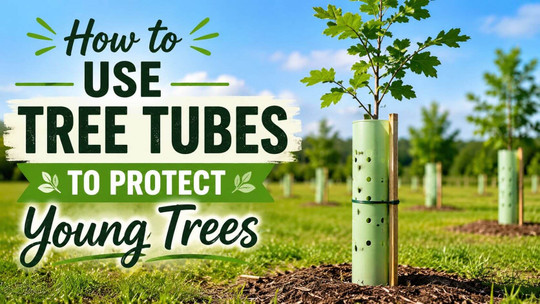
How to Use Tree Tubes to Protect Young Trees
Planting young trees is an investment in the future, but newly planted seedlings face many challenges during their first few years. Deer browsing, rabbits, rodents, lawn equipment, and harsh weather can all damage or kill young trees before they become established. Tree tubes offer a simple and effective solution by creating a protective barrier around young trees while encouraging healthy growth.
What Are Tree Tubes?
Tree tubes are cylindrical shelters made from plastic or biodegradable materials that fit around the trunk of a young tree. They are typically supported by a wooden or fiberglass stake and come in various heights ranging from 18 inches to 5 feet.
These protective tubes create a small greenhouse effect around the seedling, helping maintain warmth and humidity while shielding the tree from wildlife and environmental damage.
Benefits of Using Tree Tubes
Protection from Deer and Wildlife
One of the primary reasons gardeners and landowners use tree tubes is to prevent deer from browsing tender shoots and leaves. Rabbits, mice, and voles can also chew bark during winter, causing severe damage to young trees.
Faster Growth
The sheltered environment inside the tube often promotes faster vertical growth. Increased humidity and reduced wind stress allow seedlings to focus energy on establishing roots and growing upward.
Reduced Weed Competition
Tree tubes help reduce competition from surrounding grass and weeds by providing a protected growing space around the seedling.
Protection from Equipment
Lawn mowers, string trimmers, and other equipment can easily damage young trunks. Tree tubes create a visible barrier that helps prevent accidental injury.
Choosing the Right Tree Tube
The correct tube size depends on the tree species and the threats present in your area.
- 18–24 inch tubes: Protection from rabbits and rodents.
- 36 inch tubes: Moderate deer protection.
- 48–60 inch tubes: Areas with heavy deer pressure.
- Ventilated tubes: Better airflow and reduced overheating.
- Solid tubes: Greater greenhouse effect and faster early growth.
Select a sturdy support stake that can withstand wind and keep the tube upright for several years.
How to Install a Tree Tube
1. Plant the Tree
Plant your seedling according to the species requirements, ensuring the root collar remains at ground level.
2. Insert the Support Stake
Drive the stake several inches into the ground next to the seedling, being careful not to damage the roots.
3. Position the Tube
Place the tree tube over the seedling so the entire tree fits inside. The bottom of the tube should rest slightly below the soil surface to discourage rodents from entering.
4. Secure the Tube
Attach the tube to the stake using the supplied ties or zip ties. The tube should remain stable without squeezing the tree.
5. Mulch Around the Base
Apply mulch around the outside of the tube to suppress weeds and conserve soil moisture, keeping the mulch away from direct contact with the trunk.
Caring for Trees Inside Tubes
Young trees still require regular maintenance even when protected.
- Water during dry periods.
- Inspect tubes for insect nests or rodent activity.
- Remove weeds around the base.
- Check ties and stakes annually.
- Replace damaged tubes if necessary.
Periodic inspections help ensure the tree remains healthy and the tube continues to provide protection.
When Should Tree Tubes Be Removed?
Most trees can remain in tubes for two to five years, depending on growth rate and local wildlife pressure. Remove the tube once the trunk becomes sturdy and the tree extends well above the top of the shelter.
Leaving tubes on too long can restrict trunk development and reduce airflow around the bark.
Common Mistakes to Avoid
- Using a tube that is too short for deer protection.
- Failing to stake the tube securely.
- Allowing weeds to grow around the base.
- Forgetting to inspect tubes annually.
- Leaving tubes in place long after the tree is established.
Final Thoughts
Tree tubes are one of the most effective and affordable ways to protect newly planted trees. Whether you are planting a few backyard trees or establishing a large reforestation project, tree shelters can dramatically improve survival rates and encourage faster growth.
With proper installation and regular maintenance, tree tubes help young trees survive their most vulnerable years and develop into healthy, mature trees that will provide beauty, shade, and wildlife habitat for decades to come.