
Posted by TJ Hopkins on Sep 20th 2026
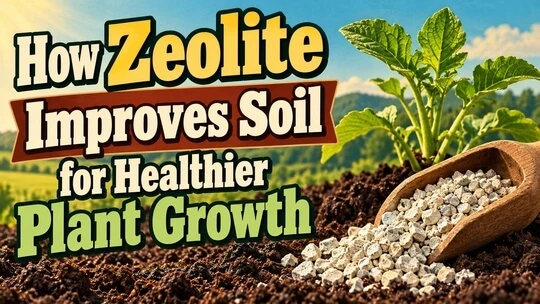
How Zeolite Improves Soil for Healthier Plant Growth
Healthy plants begin with healthy soil. While compost, fertilizer, and mulch often receive most of the attention, zeolite is another useful soil amendment that can help create better growing conditions. This naturally occurring volcanic mineral can improve nutrient retention, moisture management, and soil structure, helping plants develop stronger roots and healthier growth.
What Is Zeolite?
Zeolite is a group of porous minerals formed when volcanic ash reacts with water over long periods. One of the most commonly used types in gardening and agriculture is clinoptilolite.
Each zeolite particle contains countless microscopic pores and channels. These tiny spaces allow the mineral to hold water and capture positively charged nutrients, including ammonium, potassium, calcium, and magnesium. Instead of allowing these valuable nutrients to wash away, zeolite keeps them available within the root zone.
Zeolite does not work like a conventional fertilizer because it does not provide a complete supply of plant nutrients. Its main purpose is to improve how soil stores and manages the nutrients and water already present.
Helps Soil Hold Nutrients
One of zeolite’s most valuable characteristics is its high cation-exchange capacity. In simple terms, this means it can attract and temporarily hold certain nutrients.
When fertilizer is applied to sandy or fast-draining soil, some of its nutrients can move below the root zone during heavy rain or watering. Zeolite captures a portion of these nutrients and holds them near plant roots. The nutrients can then be released gradually as the plants need them.
This improved nutrient retention may help:
- Reduce nutrient loss from leaching
- Keep fertilizer in the root zone longer
- Improve the efficiency of fertilizer applications
- Provide plants with a steadier nutrient supply
- Reduce the risk of wasting fertilizer
Zeolite does not eliminate the need for fertilizer, but it can help plants make better use of it.
Improves Moisture Retention
The porous structure of zeolite allows it to absorb and hold water. When the surrounding soil begins to dry, some of that stored moisture becomes available to plant roots.
This can be especially helpful in sandy soils, raised beds, containers, and other growing areas that dry out quickly. Zeolite may reduce sudden changes between very wet and very dry conditions, creating a more stable root environment.
Plants still require regular watering, especially during hot or dry weather. Zeolite should be viewed as a moisture-management aid rather than a replacement for proper irrigation.
Supports Strong Root Development
Plant roots grow best when they have access to moisture, nutrients, and oxygen. By improving the soil’s ability to manage water and nutrients, zeolite can help create conditions that support steady root development.
Coarse zeolite particles may also increase pore space in compacted or heavy soil when combined with other amendments. Better pore space allows air and water to move more freely around plant roots.
For the best results in heavy clay soil, zeolite should usually be combined with compost or other organic matter. Zeolite alone will not completely correct severe compaction or poor drainage.
May Reduce Fertilizer Loss
Nitrogen is essential for leafy plant growth, but it can be easily lost from soil. Zeolite has a natural attraction to ammonium, one form of nitrogen found in fertilizers and organic materials.
By holding ammonium within its porous structure, zeolite can help keep more nitrogen near the roots. This may provide a slower and more consistent supply while reducing the amount that moves away with water.
Gardeners should still follow fertilizer directions carefully. Adding zeolite does not make excessive fertilizer applications safe, and too much fertilizer can damage roots or cause unbalanced growth.
Provides Long-Lasting Soil Benefits
Unlike compost and many organic amendments, zeolite does not decompose quickly. Once mixed into the soil, it can continue supporting nutrient and moisture management for many years.
Its long-lasting nature makes it useful in:
- Vegetable gardens
- Flower beds
- Raised beds
- Lawns
- Container gardens
- Greenhouses
- Orchards
- Tree and shrub planting areas
- Potting and soil-blend mixtures
Although zeolite remains in the soil, organic matter should still be added regularly. Compost feeds soil organisms and contributes nutrients, while zeolite helps retain water and certain nutrients. The two amendments perform different but complementary jobs.
How to Use Zeolite in Garden Soil
Zeolite is most effective when it is mixed evenly through the upper portion of the soil rather than left in a thick layer on the surface. Application rates vary according to particle size, soil conditions, crop type, and product concentration.
Always begin with the directions supplied by the manufacturer. More is not automatically better. Excessive amounts can be expensive and may alter the balance of a carefully prepared soil mixture.
For a new garden bed, spread the recommended amount over the surface and mix it into the upper several inches of soil. Adding compost at the same time can provide both mineral and organic improvements.
Zeolite can also be mixed into potting soil for containers, but it should not replace all of the ingredients responsible for drainage and aeration.
Using Zeolite Around Trees and Shrubs
Zeolite can be incorporated into the backfill soil when planting certain trees and shrubs. It may help the root zone retain moisture and nutrients while the plant becomes established.
Mix it thoroughly with the surrounding soil instead of pouring concentrated zeolite directly against the roots. Water the planting area deeply after installation, and continue monitoring moisture during the establishment period.
Avoid placing a heavy layer against the trunk. Mulch and soil amendments should be kept away from the root flare to reduce excess moisture around the bark.
Using Zeolite in Containers
Container plants can benefit from zeolite because pots often lose moisture and nutrients more quickly than garden beds. A modest amount mixed throughout the potting medium may help retain water and reduce nutrient loss through drainage holes.
A complete container mixture still needs ingredients that provide drainage, airflow, and organic matter. Zeolite should be treated as one component of the mix rather than used as the entire growing medium.
Zeolite and Compost Work Well Together
Zeolite and compost can be especially useful when applied together. Compost contributes organic matter, nutrients, and beneficial biological activity. Zeolite adds long-lasting mineral structure and nutrient-holding capacity.
This combination can help improve sandy soil that drains too rapidly, depleted garden beds that struggle to retain nutrients, and raised beds that require regular watering.
Zeolite may also be added to compost piles in small amounts. It can capture some ammonium and moisture while the materials decompose. However, it should not replace the proper balance of carbon-rich and nitrogen-rich compost ingredients.
Does Zeolite Change Soil pH?
Many zeolite products are neutral to mildly alkaline, although the exact pH depends on the mineral source and processing method. Gardeners with alkaline soil or plants that prefer acidic conditions should test their soil before making a large application.
A soil test can reveal the current pH and nutrient levels, making it easier to determine whether zeolite is appropriate. Product labels should also be checked because different zeolite materials may have different properties.
Is Zeolite Safe for Every Garden?
Natural horticultural-grade zeolite is generally used as a soil amendment, but gardeners should select a product specifically intended for gardening or agricultural use. Industrial products may have different particle sizes or may contain materials that are not appropriate for growing food.
Fine zeolite dust can irritate the eyes and lungs. Apply it on a calm day, avoid creating dust clouds, and use suitable protective equipment when handling powdered products.
Zeolite is not a cure for every soil problem. It cannot compensate for poor drainage, severe compaction, incorrect soil pH, insufficient sunlight, plant disease, or improper watering. It works best as one part of a complete soil-care plan.
Which Soils Benefit Most From Zeolite?
Zeolite can be useful in many soil types, but it may be especially helpful in sandy or low-fertility soils. Sandy soil usually drains quickly and has a limited ability to retain water and nutrients. Adding zeolite with compost can improve both moisture retention and nutrient management.
Heavy clay soil may also benefit when zeolite is incorporated with generous organic matter. However, compacted clay may require additional improvements, such as reducing foot traffic, adding compost, creating raised beds, or correcting drainage problems.
A Practical Amendment for Healthier Plants
Zeolite improves soil by holding moisture, capturing valuable nutrients, and keeping them within reach of plant roots. Its porous mineral structure can support a more stable growing environment while helping fertilizers work more efficiently.
For the best results, use horticultural-grade zeolite at the recommended rate and combine it with compost, appropriate fertilizer, proper watering, and good drainage. When used correctly, zeolite can become a long-lasting part of healthier soil and stronger plant growth.