
Posted by TJ Hopkins on Jul 2nd 2026
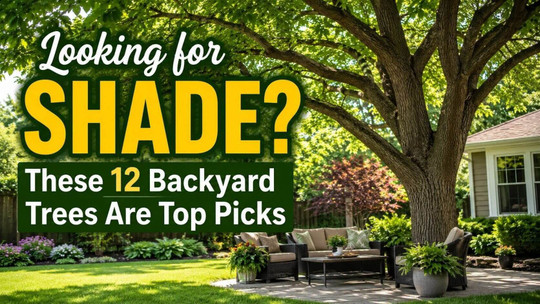
Looking for Shade? These 12 Backyard Trees Are Top Picks
A shady backyard is more than just a comfortable place to relax on a hot summer day—it can also lower cooling costs, improve your landscape, increase property value, and provide habitat for birds and pollinators. Choosing the right shade tree depends on your climate, available space, soil conditions, and how quickly you want results.
Here are 12 of the best backyard shade trees that offer beauty, cooling shade, and long-lasting value.
1. Red Maple (Acer rubrum)
Red Maple is one of America's favorite landscape trees thanks to its rapid growth and brilliant fall foliage. It adapts to many soil types and thrives across much of the United States.
Highlights:
- Grows 40–60 feet tall
- Fast-growing
- Brilliant red, orange, and yellow fall color
- Tolerates wet and average soils
Best For: Medium to large backyards needing quick shade.
2. Northern Red Oak (Quercus rubra)
If you're looking for a tree that will last for generations, the Northern Red Oak is an excellent investment. Its broad canopy creates dense shade while supporting local wildlife.
Highlights:
- 60–75 feet tall
- Strong, durable hardwood
- Excellent wildlife tree
- Beautiful red fall foliage
Best For: Large landscapes with plenty of room.
3. Sugar Maple (Acer saccharum)
Known for producing maple syrup, Sugar Maple is equally admired for its dense shade and spectacular autumn colors.
Highlights:
- 60–80 feet tall
- Dense, rounded canopy
- Brilliant orange and gold fall leaves
- Long lifespan
Best For: Cooler climates with well-drained soil.
4. American Sycamore (Platanus occidentalis)
One of the largest native shade trees, American Sycamore grows rapidly and develops an enormous canopy.
Highlights:
- Up to 100 feet tall
- Distinctive white and gray bark
- Fast-growing
- Excellent shade coverage
Best For: Very large properties.
5. Tulip Tree (Liriodendron tulipifera)
Also called Tulip Poplar, this impressive native tree produces unique tulip-shaped flowers and grows remarkably fast.
Highlights:
- 70–90 feet tall
- Fast-growing
- Attractive spring blooms
- Straight trunk and symmetrical shape
Best For: Homeowners wanting fast shade and seasonal beauty.
6. American Linden (Tilia americana)
American Linden, also called Basswood, features fragrant summer flowers that attract bees and butterflies while producing abundant shade.
Highlights:
- 60–80 feet tall
- Heart-shaped leaves
- Fragrant flowers
- Dense canopy
Best For: Pollinator-friendly landscapes.
7. River Birch (Betula nigra)
River Birch is prized for its peeling bark, graceful appearance, and ability to thrive in moist soils.
Highlights:
- 40–70 feet tall
- Attractive exfoliating bark
- Fast-growing
- Tolerates wet conditions
Best For: Low-lying or damp backyards.
8. White Oak (Quercus alba)
White Oak is one of the most majestic native trees in North America and provides outstanding shade for decades.
Highlights:
- 60–100 feet tall
- Extremely long-lived
- Massive spreading canopy
- Excellent wildlife value
Best For: Permanent landscape plantings.
9. Hackberry (Celtis occidentalis)
Hackberry is an underrated shade tree that tolerates difficult growing conditions while developing a broad crown.
Highlights:
- 40–60 feet tall
- Drought tolerant
- Handles urban environments
- Easy to grow
Best For: Low-maintenance landscapes.
10. Sweetgum (Liquidambar styraciflua)
Sweetgum produces one of the most colorful fall displays of any shade tree.
Highlights:
- 60–75 feet tall
- Star-shaped leaves
- Brilliant red, orange, purple, and yellow foliage
- Strong central trunk
Best For: Homeowners wanting exceptional fall color.
11. Freeman Maple (Acer × freemanii)
A hybrid of Red Maple and Silver Maple, Freeman Maple combines rapid growth with excellent fall color.
Highlights:
- 40–60 feet tall
- Fast-growing
- Strong branch structure
- Beautiful red fall foliage
Best For: Fast shade with fewer maintenance concerns.
12. Kentucky Coffeetree (Gymnocladus dioicus)
This unique native tree develops an open canopy that provides filtered shade and features interesting branching patterns during winter.
Highlights:
- 60–75 feet tall
- Highly adaptable
- Tolerates drought and urban conditions
- Distinctive coarse branching
Best For: Modern landscapes and tough growing conditions.
Tips for Choosing the Right Shade Tree
Before planting, consider the following:
- Available Space: Large trees need plenty of room for roots and branches.
- Growth Rate: Faster-growing trees provide shade sooner but may have shorter lifespans than slower-growing species.
- Sunlight: Most shade trees perform best in full sun.
- Soil Conditions: Match your tree to your soil type and drainage.
- Distance from Structures: Plant at least 20–30 feet from homes, driveways, and underground utilities for large-growing species.
Benefits of Planting Shade Trees
Adding shade trees to your yard offers numerous advantages:
- Lowers summer temperatures around your home
- Reduces air conditioning costs
- Improves air quality
- Increases curb appeal and property value
- Provides habitat for birds, butterflies, and beneficial insects
- Creates comfortable outdoor living spaces
- Helps reduce soil erosion and stormwater runoff
Final Thoughts
The best shade tree for your backyard depends on your available space, climate, and landscaping goals. Whether you're looking for the rapid growth of a Freeman Maple, the timeless beauty of a White Oak, or the impressive size of an American Sycamore, planting the right tree today can provide decades of cooling shade and natural beauty.
With proper planting and care, these twelve outstanding shade trees can transform your backyard into a cooler, more inviting outdoor retreat for years to come.