
Posted by TJ Hopkins on Jul 31st 2026
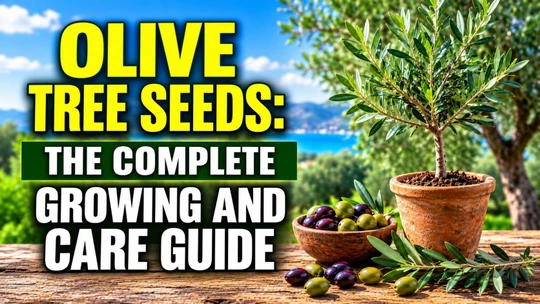
Olive Tree Seeds: The Complete Growing and Care Guide
Growing an olive tree from seed is a rewarding project for gardeners who enjoy nurturing plants from the very beginning. While olive trees grown from seed may take several years to produce fruit—and won't always grow true to the parent variety—they develop into beautiful ornamental trees with attractive silvery-green foliage and exceptional drought tolerance.
Whether you're growing an olive tree indoors, in a container, or eventually planting it outdoors in a warm climate, this complete guide will walk you through every step of the process.
Why Grow Olive Trees from Seed?
Growing olive trees from seed offers several benefits:
- Inexpensive way to grow multiple trees
- Fun project for beginner and experienced gardeners
- Beautiful evergreen ornamental tree
- Excellent container plant
- Long-lived tree that can survive for decades
- Drought tolerant once established
- Attractive silver-green foliage year-round
About Olive Trees
- Botanical Name: Olea europaea
- Common Name: Olive Tree
- Plant Type: Evergreen tree
- Native Range: Mediterranean region
- USDA Hardiness Zones: 8–11
- Mature Height: 20–30 feet (smaller in containers)
- Sun Requirements: Full sun
- Growth Rate: Slow to moderate
- Lifespan: Hundreds of years
Can You Grow Olive Trees from Seed?
Yes! Olive trees can be grown from fresh seeds, although patience is required.
Keep in mind:
- Seed-grown trees may not produce olives identical to the parent tree.
- Some may never produce quality fruit.
- Most gardeners grow them as ornamental landscape or patio trees.
Step 1: Obtain Fresh Olive Seeds
For the best germination:
- Use fresh olives rather than processed or canned olives.
- Remove all fruit pulp from around the pit.
- Wash thoroughly.
- Allow the pits to dry for a day.
Fresh seed has a much higher success rate than older seed.
Step 2: Scarify the Seed
Olive pits have a very hard outer shell.
To improve germination:
- Lightly file or sand one side of the pit.
- Avoid damaging the seed inside.
- The goal is simply to thin the shell enough for moisture to enter.
Step 3: Soak the Seeds
Place the scarified pits into warm water.
- Soak for 24–48 hours.
- Replace the water if it becomes cloudy.
- Discard any floating pits that appear damaged.
Step 4: Plant the Seeds
Fill small pots with a well-draining seed-starting mix.
Plant each seed:
- About ½ inch deep
- Water thoroughly
- Label the container with the planting date
Step 5: Maintain Warm Temperatures
Olive seeds germinate best in warm conditions.
Ideal temperature:
- 70–80°F (21–27°C)
Using a humidity dome can help maintain consistent moisture during germination.
Step 6: Provide Bright Light
Once seedlings emerge:
- Place them in a bright window or under grow lights.
- Provide 12–16 hours of light daily.
- Rotate containers weekly for even growth.
Step 7: Water Properly
Young olive trees prefer slightly moist soil.
Avoid:
- Overwatering
- Constantly soggy soil
- Poor drainage
Allow the top inch of soil to dry slightly before watering again.
Step 8: Fertilize
Once seedlings develop several sets of leaves:
- Feed monthly with a balanced liquid fertilizer diluted to half strength.
- Fertilize only during active spring and summer growth.
Step 9: Repot as Needed
As roots fill the container:
- Move to a pot 2–3 inches larger.
- Use a well-draining potting mix.
- Ensure drainage holes are present.
Olive trees dislike sitting in wet soil.
Step 10: Move Outdoors (If Climate Allows)
After the last frost:
- Gradually acclimate seedlings outdoors over 1–2 weeks.
- Choose a location with:
- Full sun
- Excellent drainage
- Protection from standing water
In colder climates, continue growing the tree in a container so it can be brought indoors during winter.
Best Soil for Olive Trees
Olive trees thrive in:
- Sandy soil
- Rocky soil
- Loamy soil
- Fast-draining potting mixes
Ideal soil pH:
- 6.0–8.0
Heavy clay soils should be amended with coarse sand or perlite to improve drainage.
Sun Requirements
Olive trees need:
- At least 6–8 hours of direct sunlight daily
- More sunlight produces stronger growth and healthier foliage
Insufficient light can cause slow growth and leaf drop.
Watering Mature Trees
Established olive trees are highly drought tolerant.
Water:
- Deeply but infrequently
- More often during prolonged drought
- Less during winter dormancy
Avoid overwatering, which is one of the most common causes of poor health.
Common Problems
Slow Germination
Olive seeds naturally germinate slowly.
Be patient—it may take several weeks or even a few months.
Root Rot
Usually caused by:
- Overwatering
- Poor drainage
- Heavy soils
Yellow Leaves
Possible causes include:
- Too much water
- Nutrient deficiencies
- Insufficient sunlight
Pests
Watch for:
- Scale insects
- Spider mites
- Aphids
- Mealybugs
Most infestations can be controlled with insecticidal soap or horticultural oil.
Growing Olive Trees in Containers
Container-grown olives are popular because they can be moved indoors in colder regions.
Choose:
- Large pots with drainage holes
- Fast-draining soil
- Full sun exposure
Repot every 2–3 years as the tree grows.
Winter Care
If temperatures drop below 20°F (-6°C):
- Bring container plants indoors.
- Place near the brightest window available.
- Reduce watering during winter.
- Avoid fertilizing until spring.
How Long Before an Olive Tree Produces Fruit?
Seed-grown olive trees require patience.
Typical timeline:
- Germination: 1–3 months
- Young tree: 2–5 years
- Possible fruit production: 8–15 years (or longer)
Many gardeners simply enjoy the attractive evergreen foliage even if fruit never develops.
Frequently Asked Questions
Can I grow an olive tree indoors?
Yes. Olive trees make excellent container plants when given plenty of sunlight.
Do olive seeds need cold stratification?
No. Olive seeds generally do not require cold stratification, but scarifying and soaking the pits helps improve germination.
Are olive trees difficult to grow?
Not at all. Once established, they are among the easiest drought-tolerant trees to care for.
Will a seed-grown tree produce edible olives?
Possibly, but the fruit quality and characteristics may differ from the parent tree.
Final Thoughts
Growing olive tree seeds is a long-term gardening adventure that rewards patience with a beautiful evergreen tree. While it may take years before a seed-grown olive produces fruit, the tree's graceful shape, silvery foliage, and Mediterranean charm make it an excellent addition to patios, gardens, and indoor collections. With warmth, sunlight, well-draining soil, and consistent care, you can successfully grow an olive tree from seed and enjoy watching it mature for many years.