
Posted by TJ Hopkins on Sep 13th 2026
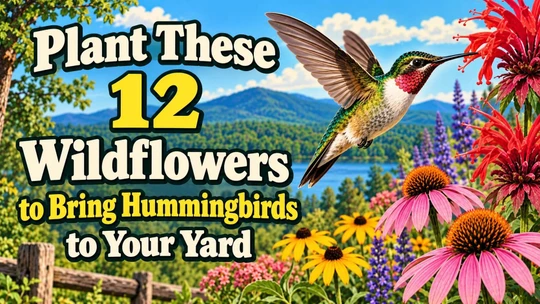
Plant These 12 Wildflowers to Bring Hummingbirds to Your Yard
Hummingbirds bring color, energy, and movement to any garden. Although feeders can provide a quick source of sugar water, planting nectar-rich wildflowers creates a more natural and dependable food supply.
Hummingbirds are especially attracted to red, pink, orange, and purple tubular flowers. By growing several varieties with overlapping bloom times, you can offer nectar from spring through fall while also supporting butterflies, bees, and other pollinators.
1. Cardinal Flower
Cardinal flower produces brilliant red blooms that are perfectly shaped for a hummingbird’s long bill. This native perennial normally flowers from midsummer into early fall.
It grows best in moist, rich soil and can tolerate full sun when it receives enough water. It is an excellent choice for rain gardens, pond edges, and naturally damp areas.
2. Wild Columbine
Wild columbine has distinctive red and yellow flowers that hang downward from slender stems. Its early-season blooms provide nectar when hummingbirds return during spring migration.
Plant wild columbine in partial shade or gentle morning sun. It performs well in woodland gardens, along shaded paths, and around rocky areas with well-drained soil.
3. Bee Balm
Bee balm produces clusters of red, pink, purple, or lavender flowers during summer. Its nectar-rich blossoms regularly attract hummingbirds, butterflies, and bees.
This vigorous native perennial prefers full sun and moderately moist soil. Give the plants room for air circulation and divide them when they begin spreading beyond their designated area.
4. Trumpet Honeysuckle
Unlike some invasive honeysuckles, native trumpet honeysuckle is a valuable climbing vine with tubular red, coral, or orange flowers. Hummingbirds frequently visit its blooms throughout the growing season.
Grow it on a trellis, arbor, fence, or other sturdy support. It flowers most heavily in full sun but can also grow in partial shade.
5. Eastern Red Columbine
Eastern red columbine is another name commonly used for the native wild columbine, but several regional columbine species are available across North America. Western gardeners can consider western red columbine or golden columbine where those plants are native.
Choose a columbine suited to your region. These graceful wildflowers generally prefer well-drained soil and some protection from intense afternoon sun.
6. Spotted Jewelweed
Spotted jewelweed produces orange, pouch-shaped flowers that are especially appealing to hummingbirds. It is an annual wildflower, but it usually reseeds itself when growing in suitable conditions.
This plant thrives in moist, partially shaded locations. It can spread enthusiastically, so place it where its natural growth will not overwhelm smaller plants.
7. Fire Pink
Fire pink displays vivid scarlet flowers with deeply notched petals. Its strong color and nectar-filled blooms make it easy for hummingbirds to find.
Plant fire pink in a sunny or partially shaded location with dry to moderately moist, well-drained soil. It works particularly well in rock gardens and naturalized woodland borders.
8. Scarlet Sage
Scarlet sage produces bright red tubular flowers over a long period. In warmer climates it may grow as a short-lived perennial, while gardeners in colder regions often treat it as an annual.
It prefers full sun and well-drained soil. Regularly removing faded flowers can encourage the plant to continue blooming until frost.
9. Great Blue Lobelia
Great blue lobelia develops tall spikes covered with blue or violet flowers. Although hummingbirds are often associated with red flowers, they readily visit nectar-rich blossoms in other colors.
This native perennial grows best in consistently moist soil and sun to partial shade. It pairs beautifully with red cardinal flower in rain gardens and damp borders.
10. Royal Catchfly
Royal catchfly produces clusters of striking red flowers during summer. Its narrow floral openings make the nectar difficult for many insects to reach, but hummingbirds can access it with their long bills.
Give this perennial full sun and well-drained soil. Because it is uncommon or threatened in parts of its native range, purchase nursery-grown plants or responsibly produced seeds rather than collecting it from the wild.
11. Standing Cypress
Standing cypress forms tall flower spikes filled with brilliant red, trumpet-shaped blossoms. Its dramatic appearance makes it an eye-catching addition to a hummingbird garden.
It prefers full sun and sandy or rocky soil with good drainage. The plant may behave as a biennial, producing leaves during its first season and flowers during the following year. Allow some seed heads to mature if you want it to return.
12. Blazing Star
Blazing star produces upright spikes of purple flowers that open gradually. It is particularly popular with butterflies and bees, but hummingbirds may also stop to drink from its abundant blooms.
Plant it in full sun and well-drained soil. Once established, many blazing star species tolerate heat and occasional drought. Select a variety native to your part of the country for the best results.
How to Create a Hummingbird-Friendly Wildflower Garden
Plant wildflowers in generous groups instead of scattering individual plants around the yard. Large patches of color are easier for passing hummingbirds to notice and allow them to gather more nectar without using as much energy.
Include plants that bloom at different times. Columbine can provide flowers in spring, bee balm and cardinal flower can supply nectar during summer, and late-blooming varieties can help hummingbirds prepare for fall migration.
Choose wildflowers native to your region whenever possible. Native plants are adapted to local weather and soil conditions, and they frequently provide better support for local insects and wildlife. Before planting, confirm that each species is appropriate for your location and will not behave invasively.
Provide Water and Shelter
Hummingbirds need more than flowers. Trees and shrubs provide protected places where they can rest, hide from predators, and escape severe weather.
Add a shallow moving-water feature, gentle mister, or dripping fountain to give the birds a place to bathe. Keep the water clean and position it near plants that offer some cover.
Avoid Pesticides
Hummingbirds depend on small insects and spiders for protein, particularly when raising their young. Broad pesticide use can reduce this important food source and may expose the birds to harmful chemicals.
Allowing a balanced community of beneficial insects to develop will make your yard a more complete habitat. Healthy plants, native flowers, clean water, and natural shelter can work together without relying heavily on chemical treatments.
A Garden That Keeps Hummingbirds Coming Back
You do not need a large yard to grow wildflowers for hummingbirds. A sunny border, small meadow, raised bed, or collection of containers can provide valuable nectar.
Begin with a few species that match your growing conditions, and then add more flowers over time. With colorful blooms appearing from spring through fall, your garden can become a dependable feeding stop that hummingbirds return to year after year.