
Posted by TJ Hopkins on Jul 12th 2026
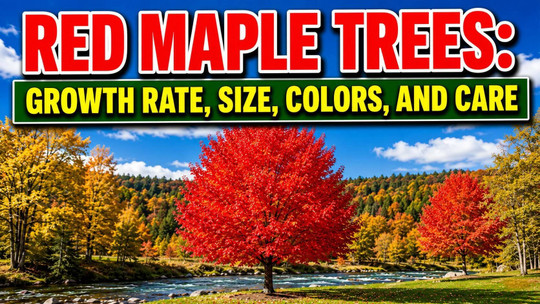
Red Maple Trees: Growth Rate, Size, Colors, and Care
Red maple trees are among the most recognizable and widely planted native trees in North America. Known for their brilliant fall foliage, attractive shape, and ability to grow in many different soil conditions, red maples can add shade, color, and natural beauty to landscapes for generations.
Although their name suggests that they are always red, these adaptable trees provide changing colors throughout the year. Red flowers appear in late winter or early spring, followed by reddish seeds and green summer foliage. In fall, the leaves may turn vivid shades of red, scarlet, orange, or yellow.
Whether you are considering planting a red maple or already have one growing in your yard, understanding its growth rate, mature size, seasonal colors, and basic care requirements can help keep the tree healthy and attractive.
What Is a Red Maple Tree?
The red maple, botanically known as Acer rubrum, is a deciduous shade tree native to eastern and central North America. It grows naturally in a wide range of environments, including moist forests, wetlands, riverbanks, lowlands, and upland areas.
Red maples are valued for their adaptability. While they often grow naturally in moist soil, established trees can tolerate moderately dry conditions. They can also grow in clay, loam, and sandy soils when drainage and other growing conditions are suitable.
The name “red maple” comes from the reddish color found on several parts of the tree throughout the year. Depending on the season, its flowers, leaf stems, seeds, twigs, buds, and fall foliage may all display shades of red.
How Fast Do Red Maple Trees Grow?
Red maple trees generally have a moderate to fast growth rate. Under favorable growing conditions, a young tree may grow approximately 1 to 2 feet per year. Trees growing in fertile, consistently moist soil with plenty of sunlight may grow faster than trees planted in poor, compacted, dry, or heavily shaded locations.
Several factors can affect the annual growth rate of a red maple, including:
- Amount of sunlight
- Soil quality and drainage
- Available moisture
- Climate and growing season
- Tree age
- Root health
- Competition from nearby trees and plants
- Damage from pests, disease, drought, or severe weather
Young red maples often grow more quickly while becoming established. Growth may gradually slow as the tree reaches maturity.
Avoid trying to force rapid growth with excessive fertilizer. Too much nitrogen may encourage weak, overly vigorous growth and can make a tree more vulnerable to certain problems. Healthy soil, adequate water, and proper planting usually provide a better foundation for long-term growth.
How Large Do Red Maple Trees Grow?
A mature red maple commonly reaches approximately 40 to 60 feet tall, although older trees growing under favorable conditions may exceed 70 feet. The canopy often spreads 30 to 50 feet wide.
Mature size can vary depending on the tree’s genetics, cultivar, climate, soil conditions, available space, and overall health.
Because red maples develop broad canopies, they need enough room to grow without interfering with buildings, utility lines, driveways, sidewalks, or other trees. A small young tree may look far away from a house when first planted, but its canopy and root system will expand considerably over time.
Before planting, consider both the expected height and mature spread rather than choosing a location based only on the tree’s current size.
What Shape Does a Red Maple Tree Have?
Young red maple trees may have a narrow, upright, or somewhat irregular shape. As they mature, many develop an attractive rounded or oval canopy with dense foliage.
Tree shape can vary among individual seedlings and named cultivars. Some cultivated varieties are selected for a more predictable upright, oval, or rounded growth habit.
Providing adequate space and using proper pruning techniques while the tree is young can encourage strong branch structure. Avoid removing large branches unnecessarily from mature trees because major pruning cuts may take a long time to close.
Red Maple Colors Throughout the Year
Red maples provide seasonal interest during much of the year. Their appearance changes as flowers, seeds, leaves, and fall colors develop.
Late Winter and Early Spring
Small clusters of red or reddish flowers may appear before the leaves emerge. These early flowers can add noticeable color to bare branches at a time when many other trees are still dormant.
Flower color and abundance vary among individual trees.
Spring
After flowering, red maples produce paired winged seeds known as samaras. The seeds may appear red, pinkish, or light brown as they mature.
New leaves emerge shortly afterward. Young foliage may have a reddish tint before changing to green.
Summer
During summer, red maple leaves are generally medium to dark green on top and lighter underneath. The leaves usually have three to five pointed lobes with toothed edges.
The dense canopy provides valuable shade during warm weather.
Fall
Fall is when red maples receive the most attention. Depending on the individual tree, cultivar, weather, and growing conditions, the foliage may turn:
- Bright red
- Deep scarlet
- Crimson
- Orange-red
- Orange
- Golden yellow
- A combination of several colors
Not every red maple develops intense red foliage. Seed-grown trees naturally vary, and some may turn mostly yellow or orange. Named cultivars are often selected for more consistent fall color.
Cool nights, sunny days, adequate moisture, and healthy growing conditions may contribute to brighter autumn foliage.
Where Do Red Maple Trees Grow Best?
Red maples grow best in locations receiving full sun to partial shade. Trees planted in full sun often develop denser growth and may produce more vibrant fall color.
An ideal planting location generally provides:
- At least six hours of direct sunlight for full-sun growth
- Moist but reasonably well-drained soil
- Enough room for a large canopy
- Adequate distance from buildings and utility lines
- Protection from severe soil compaction
Red maples tolerate a wider range of growing conditions than many other shade trees. However, they may struggle in extremely dry locations, highly alkaline soil, heavily compacted ground, or areas with excessive salt exposure.
Soil Requirements
Red maple trees can grow in several soil types, including:
- Loam
- Clay
- Sandy soil
- Silty soil
- Moist woodland soil
They generally prefer slightly acidic soil that remains moderately moist. Some red maples may develop nutrient deficiencies when grown in highly alkaline soil.
Symptoms of nutrient problems may include pale green or yellow leaves with darker green veins. Soil testing can help determine whether soil pH or nutrient availability is contributing to poor growth.
Avoid automatically adding fertilizer without identifying the cause. Yellow foliage may also result from drought, excessive moisture, root damage, soil compaction, or other environmental stress.
How Much Water Do Red Maple Trees Need?
Newly planted red maples need regular watering while their roots become established. Water deeply enough to moisten the root zone rather than applying small amounts only to the soil surface.
During the first growing season, check the soil regularly and water when it begins to dry. The exact watering schedule depends on rainfall, temperature, soil type, drainage, and tree size.
Established red maples are moderately tolerant of occasional dry conditions, but prolonged drought may cause:
- Wilting leaves
- Browning leaf edges
- Early fall color
- Premature leaf drop
- Reduced growth
- Branch dieback during severe stress
Deep, occasional watering is generally more beneficial than frequent shallow watering because it encourages roots to grow farther into the soil.
Mulching Around Red Maple Trees
A layer of organic mulch can help conserve moisture, reduce weed growth, protect the soil from temperature extremes, and limit competition from grass.
Apply approximately 2 to 4 inches of mulch around the tree while keeping the mulch several inches away from the trunk.
Suitable mulch materials include:
- Shredded bark
- Wood chips
- Composted leaves
- Pine bark
Avoid piling mulch against the trunk in a mound commonly called a “mulch volcano.” Constant moisture around the bark may encourage decay, root problems, and other damage.
Spread mulch outward in a broad, relatively flat layer whenever possible.
Do Red Maple Trees Need Fertilizer?
Healthy red maples growing in suitable soil may not require regular fertilization. Fallen leaves, decomposing mulch, and natural soil nutrients often provide some of the materials needed for healthy growth.
Consider a soil test before applying fertilizer, especially if the tree has poor growth, unusually small leaves, or discolored foliage.
If fertilizer is needed, follow soil-test recommendations and avoid excessive applications. Too much fertilizer may damage roots, encourage weak growth, or contribute to environmental runoff.
Pruning Red Maple Trees
Red maple trees benefit from careful structural pruning when young. Removing poorly positioned branches early may reduce the need for large pruning cuts later.
Young trees may need pruning to address:
- Crossing branches
- Damaged or broken limbs
- Closely spaced competing branches
- Weak branch attachments
- Multiple competing leaders
Avoid removing too much of the canopy at one time. Excessive pruning can stress the tree and stimulate weak new growth.
Mature trees with large damaged or hazardous branches should be evaluated by a qualified tree-care professional.
Common Red Maple Tree Problems
Red maples are generally dependable landscape trees, but they may experience problems when stressed or planted in unsuitable locations.
Potential concerns include:
Leaf Scorch
Brown, dry leaf edges may develop during hot, dry, or windy weather. Newly planted trees and trees growing in compacted soil may be especially vulnerable.
Deep watering and proper mulching may help reduce drought-related stress.
Girdling Roots
Roots that circle around the trunk may gradually restrict the movement of water and nutrients. This problem may develop when trees are planted too deeply or when roots remain confined in a container for too long.
Planting at the correct depth and inspecting the root system before planting may reduce the risk.
Chlorosis
Leaves may turn yellow while the veins remain green when certain nutrients are unavailable. High soil pH can contribute to this problem.
A soil test is recommended before attempting treatment.
Branch Damage
Some red maples may develop narrow branch angles or weak attachments. Heavy snow, ice, and strong winds can damage poorly structured branches.
Early structural pruning may improve branch strength as the tree matures.
Surface Roots
Red maple roots may become visible near the soil surface, especially in compacted or shallow soil. Avoid cutting large roots or damaging them with lawn equipment.
Adding a broad mulch bed beneath the canopy can help protect exposed roots and reduce competition from grass.
Are Red Maple Trees Good Shade Trees?
Yes. Red maples are popular shade trees because they grow relatively quickly and develop broad, leafy canopies.
Their combination of summer shade and colorful fall foliage makes them suitable for:
- Large lawns
- Parks
- Naturalized landscapes
- Woodland edges
- Open residential properties
- Rain gardens and moist landscape areas
Their mature size makes them less suitable for very small yards or locations directly beneath utility lines.
Are Red Maple Trees Good for Wildlife?
Red maples provide food, shelter, nesting locations, and cover for a variety of wildlife. Birds may use mature trees for nesting and protection, while small mammals may feed on seeds, buds, or other plant material.
The early flowers can also provide seasonal resources for insects when relatively few other trees are blooming.
Leaving enough natural habitat around mature trees can increase their value to local wildlife.
How Long Do Red Maple Trees Live?
Red maple trees can live for many decades when planted in suitable conditions. Some may survive for more than 100 years, although lifespan varies considerably depending on climate, soil, moisture, storm damage, pests, disease, and human activity.
Trees growing in open landscapes may face stress from soil compaction, lawn equipment, road salt, root disturbance, improper pruning, and construction damage.
Protecting the root zone is one of the most important ways to support long-term tree health.
How to Plant a Red Maple Tree
Choose a location with adequate sunlight, suitable soil, and enough room for the tree’s mature canopy.
Follow these general planting steps:
- Dig a planting hole wider than the root system but no deeper than necessary.
- Identify the root flare, where the trunk widens and the main roots begin.
- Position the tree so the root flare remains at or slightly above the surrounding soil level.
- Backfill primarily with the existing soil unless local conditions require a different approach.
- Water thoroughly to settle the soil and remove large air pockets.
- Apply a broad layer of mulch while keeping it away from the trunk.
- Water regularly during the establishment period.
Avoid planting the tree too deeply. A buried root flare may contribute to poor root development, trunk problems, and long-term decline.
Is a Red Maple Tree Right for Your Landscape?
A red maple may be a good choice if you want a native shade tree with relatively fast growth, attractive seasonal features, and colorful autumn foliage.
Before planting, make sure the location provides enough room for a tree that may eventually reach 40 to 60 feet tall with a broad canopy. Consider soil drainage, sunlight, nearby structures, utility lines, and available root space.
For properties with suitable growing conditions, red maples can provide decades of shade, wildlife value, and changing seasonal color.
Final Thoughts
Red maple trees combine adaptability, attractive growth, summer shade, and impressive fall foliage. Their moderate to fast growth rate allows them to establish more quickly than many slower-growing shade trees, while their large mature canopy can become a valuable long-term landscape feature.
Planting in the right location is essential. Give the tree adequate sunlight, sufficient growing space, consistent moisture during establishment, and a protective layer of mulch. With thoughtful planting and basic care, a red maple can become a colorful and enduring centerpiece in the landscape.