
Posted by TJ Hopkins on Aug 16th 2026
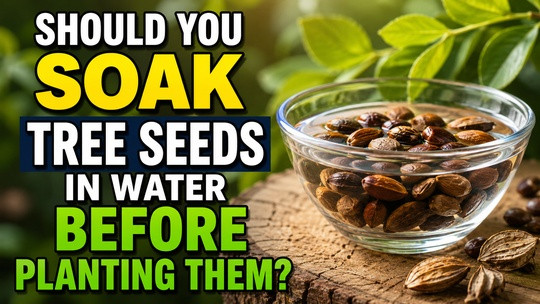
Should You Soak Tree Seeds in Water Before Planting Them?
Growing a tree from seed is one of the most rewarding ways to add trees to your landscape. But before planting, you may wonder whether soaking tree seeds in water will help them germinate faster.
The answer is: sometimes.
Soaking can be extremely helpful for tree seeds with hard or thick seed coats, but it isn't necessary—or even beneficial—for every species. Some seeds need cold stratification, scarification, or simply the right temperature and moisture instead.
Understanding why seeds are soaked and which seeds benefit from it can help you get better germination results.
Why Soak Tree Seeds Before Planting?
Seeds naturally absorb moisture from the soil after they are planted. Soaking seeds before planting essentially gives this process a head start.
Water penetrates the seed coat and begins rehydrating the tissues inside the seed. Once enough moisture has been absorbed and environmental conditions are favorable, the seed can begin the germination process.
Soaking may help:
- Soften hard seed coats
- Rehydrate dry seeds
- Encourage faster germination
- Improve moisture penetration
- Help identify obviously empty or damaged seeds
- Prepare certain seeds for additional treatments such as stratification
However, soaking is not a replacement for the specific germination requirements of a tree species.
Which Tree Seeds Benefit From Soaking?
Tree seeds with relatively large, hard, or thick seed coats are often the best candidates for soaking.
Examples may include:
- Black locust
- Honey locust
- Kentucky coffeetree
- Redbud
- Acacia
- Mesquite
- Mimosa
- Some maple species
- Some pine and other conifer seeds
- Certain fruit and nut tree seeds
The correct treatment varies considerably between species. A tree seed that benefits from a 24-hour soak may still require weeks or months of cold stratification afterward.
Always research the germination requirements for the exact species you are planting.
How Long Should You Soak Tree Seeds?
For many tree seeds, 12 to 24 hours is sufficient.
Place the seeds in a clean container and cover them with room-temperature water. Allow them to soak for the recommended amount of time before removing them and proceeding with planting or another required pre-treatment.
Very hard-coated seeds may require a different method, such as scarification followed by soaking.
Avoid automatically leaving seeds submerged for several days. Excessive soaking can deprive seeds of oxygen and potentially encourage decay.
Should You Use Hot Water?
Hot-water treatment is sometimes used for species with exceptionally hard, water-resistant seed coats.
This is different from simply soaking seeds overnight.
A common method involves placing hard-coated seeds in hot water and then allowing the water to cool while the seeds remain submerged. However, the appropriate temperature and procedure depend on the species.
Do not boil tree seeds.
Excessive heat can damage or kill the embryo inside the seed. If a species specifically requires hot-water treatment, follow instructions designed for that particular species.
What Is Scarification?
Scarification is the process of weakening or damaging a hard seed coat so moisture can penetrate it more easily.
This can be accomplished by carefully:
- Nicking the seed coat
- Filing a small portion of the seed coat
- Rubbing the seed against sandpaper
- Using a species-appropriate hot-water treatment
Scarification is particularly helpful for seeds that naturally have extremely hard coats.
Once scarified, seeds are frequently soaked in water before planting. The combination can dramatically increase water absorption compared with soaking an intact, highly impermeable seed coat.
Take care not to damage the embryo inside the seed.
Soaking vs. Cold Stratification
Soaking and cold stratification serve different purposes.
Soaking primarily helps seeds absorb water.
Cold stratification exposes moist seeds to a period of cold temperatures that mimics winter conditions.
Many temperate tree species have internal dormancy mechanisms that prevent them from germinating immediately after falling from the tree. This protects seedlings from sprouting just before winter.
These seeds may require weeks or months of moist cold conditions before they are capable of germinating.
Examples commonly associated with cold stratification include many species of:
- Maple
- Oak
- Dogwood
- Magnolia
- Cherry
- Apple
- Hawthorn
- Walnut
- Hickory
Requirements vary by species.
Some tree seeds benefit from being soaked first and then placed into cold stratification.
How to Soak Tree Seeds Before Planting
If soaking is recommended for your particular species, the process is usually simple.
Step 1: Inspect the Seeds
Remove seeds that are visibly cracked, moldy, severely damaged, or decayed.
Step 2: Fill a Container With Water
Use clean, room-temperature water unless your species requires a specific hot-water treatment.
Step 3: Add the Seeds
Place the seeds in the water and make sure they have plenty of room to absorb moisture.
Step 4: Soak for the Recommended Time
For many species, approximately 12–24 hours is appropriate, but always follow species-specific recommendations.
Step 5: Remove the Seeds
Drain the water after soaking.
Step 6: Continue the Required Germination Treatment
Depending on the species, you may:
- Plant the seeds immediately
- Scarify them
- Begin cold stratification
- Begin warm stratification
- Use a combination of warm and cold stratification
Do not allow soaked seeds to completely dry out if they are supposed to remain moist during the next stage.
Do Seeds That Sink Have Better Germination?
You may have heard of the "float test," where seeds that sink are considered viable and seeds that float are discarded.
This method isn't completely reliable.
Some healthy seeds naturally float because of their structure or trapped air. Other seeds may sink despite having poor viability.
The test can sometimes provide clues, but do not automatically throw away every floating tree seed unless the species is known to have a reliable sink-or-float relationship.
When seeds are limited or valuable, it is usually better to attempt germination rather than discard them based solely on floating.
Can You Soak Tree Seeds Too Long?
Yes.
Seeds need both moisture and oxygen during germination. Keeping them submerged for excessive periods can reduce oxygen availability and create conditions favorable to microorganisms and rot.
Possible problems from excessive soaking include:
- Seed deterioration
- Mold
- Rot
- Damage to emerging roots
- Reduced germination
Unless a particular species requires something different, an overnight soak is generally preferable to leaving seeds submerged for several days.
Should Small Tree Seeds Be Soaked?
Very small seeds usually don't need soaking unless the species specifically requires it.
Tiny seeds can be difficult to handle after they become wet, and many naturally absorb enough moisture from a properly prepared growing medium.
For these seeds, maintaining consistent moisture after sowing may be more important than pre-soaking.
What Should You Do After Soaking?
What happens next depends entirely on the species.
If the seeds don't require stratification, sow them into a suitable seed-starting medium at the recommended depth.
Keep the medium consistently moist but not waterlogged.
Seeds requiring cold stratification can generally be mixed with a slightly moist medium and refrigerated for the recommended period. Suitable materials may include:
- Peat moss
- Vermiculite
- Perlite
- Sand
- Seed-starting mix
Check the seeds periodically during stratification for mold and early germination.
If seeds begin developing roots during stratification, carefully plant them rather than allowing the new roots to become excessively long or tangled.
Common Tree Seed Soaking Mistakes
Even though soaking is simple, several mistakes can reduce your chances of success.
Soaking Every Species
Not every tree seed needs soaking. Treat seeds according to the requirements of their species.
Using Water That Is Too Hot
Unless hot-water treatment is specifically recommended, stick with room-temperature water.
Leaving Seeds in Water Too Long
More soaking isn't necessarily better.
Skipping Stratification
Soaking won't eliminate dormancy in seeds that require cold or warm stratification.
Planting Too Deeply
Follow the recommended sowing depth for the species. Tiny seeds are particularly vulnerable to being buried too deeply.
Keeping the Soil Waterlogged
Moisture is essential, but saturated soil can promote seed rot.
What If the Seeds Don't Swell After Soaking?
Some seeds noticeably increase in size after absorbing water. If a hard-coated seed looks exactly the same after soaking, its outer coat may be preventing water penetration.
If the species requires scarification, carefully weakening the seed coat before soaking can allow water to enter.
Don't automatically scarify every seed, however. Some tree seeds have thin or easily damaged seed coats.
Does Soaking Make Tree Seeds Germinate Faster?
It can.
A dry seed planted directly into soil must first absorb sufficient water before germination can begin. A pre-soaked seed has already started this process.
For compatible species, this can shorten the time between planting and germination.
However, soaking cannot overcome other dormancy mechanisms. A seed requiring 90 days of cold stratification won't suddenly germinate immediately simply because it was soaked overnight.
The Best Approach for Germinating Tree Seeds
Successful tree seed germination begins with understanding the natural life cycle of the species.
Before planting, determine whether your seeds require:
- No pre-treatment
- Water soaking
- Scarification
- Cold stratification
- Warm stratification
- Warm followed by cold stratification
- Light exposure
- Specific germination temperatures
Tree species have evolved under very different climates and conditions, so there is no single germination method that works for all of them.
Final Thoughts
So, should you soak tree seeds in water before planting them?
For many species, yes—but not all.
Soaking tree seeds for approximately 12–24 hours can help rehydrate seeds and soften certain seed coats, potentially encouraging faster and more uniform germination. Hard-coated seeds may benefit from scarification before soaking, while many temperate tree species will still require cold stratification afterward.
The most important rule is to follow the germination requirements of the specific tree species you're growing.
When you provide the right combination of moisture, temperature, pre-treatment, and patience, growing trees from seed can be an inexpensive and rewarding way to produce beautiful trees that may thrive for decades.