
Posted by TJ Hopkins on Jul 5th 2026
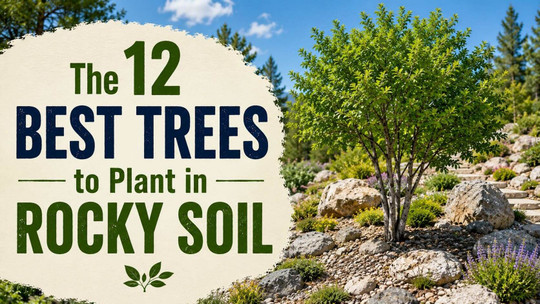
The 12 Best Trees to Plant in Rocky Soil
Rocky soil may seem like one of the most difficult places to grow trees, but many species actually thrive in these challenging conditions. Trees that naturally grow on hillsides, mountains, and dry landscapes have adapted to shallow soils, limited nutrients, and excellent drainage. By selecting the right species, you can create a beautiful, low-maintenance landscape that flourishes where other plants struggle.
Whether you're dealing with gravelly ground, limestone, shale, or rocky slopes, these 12 trees are among the best choices for long-term success.
1. Eastern Redbud (Cercis canadensis)
The Eastern Redbud is one of the first trees to bloom each spring, covering its branches with vibrant pink-purple flowers before the leaves emerge. Native to woodland edges and rocky hillsides, it performs surprisingly well in shallow, rocky soils.
Why it grows well in rocky soil:
- Handles limestone and rocky slopes
- Moderate drought tolerance once established
- Excellent ornamental tree for small landscapes
USDA Zones: 4–9
2. Bur Oak (Quercus macrocarpa)
Bur Oak develops one of the deepest root systems of any oak, allowing it to find moisture between rocks and beneath shallow soils. It is incredibly hardy and can live for centuries.
Why it grows well in rocky soil:
- Extremely drought tolerant
- Thrives in limestone and gravelly soils
- Long-lived shade tree
USDA Zones: 3–8
3. Kentucky Coffeetree (Gymnocladus dioicus)
This unique native tree naturally grows in rocky river valleys and limestone regions. Its coarse branching and bold foliage make it a standout landscape specimen.
Why it grows well in rocky soil:
- Tolerates poor soils
- Handles drought exceptionally well
- Resistant to many pests and diseases
USDA Zones: 3–8
4. Black Locust (Robinia pseudoacacia)
Black Locust is famous for thriving where few other trees survive. It grows rapidly in rocky, sandy, and nutrient-poor soils while improving soil quality by fixing nitrogen.
Why it grows well in rocky soil:
- Extremely fast-growing
- Nitrogen-fixing roots improve poor soils
- Excellent erosion control
USDA Zones: 4–8
5. Pinyon Pine (Pinus edulis)
Native to the rocky mountains and deserts of the American Southwest, Pinyon Pine is perfectly adapted to dry, rocky environments.
Why it grows well in rocky soil:
- Thrives in gravelly soils
- Highly drought tolerant
- Attractive evergreen with edible pine nuts
USDA Zones: 5–8
6. Rocky Mountain Juniper (Juniperus scopulorum)
As its name suggests, this evergreen naturally grows on rocky cliffs and mountain slopes. It requires little maintenance once established.
Why it grows well in rocky soil:
- Excellent for steep slopes
- Handles drought and wind
- Year-round evergreen beauty
USDA Zones: 3–7
7. Serviceberry (Amelanchier arborea)
Serviceberry produces beautiful white spring flowers, edible berries, and outstanding fall color. It adapts well to rocky woodland soils.
Why it grows well in rocky soil:
- Attractive in every season
- Supports birds and pollinators
- Performs well in well-drained sites
USDA Zones: 4–9
8. Hackberry (Celtis occidentalis)
Hackberry is one of the toughest native shade trees available. It tolerates poor soil, drought, wind, and rocky conditions with ease.
Why it grows well in rocky soil:
- Highly adaptable
- Very low maintenance
- Excellent wildlife tree
USDA Zones: 2–9
9. Chinese Pistache (Pistacia chinensis)
Chinese Pistache is prized for its brilliant orange and red fall foliage. It performs exceptionally well in rocky, dry landscapes.
Why it grows well in rocky soil:
- Heat and drought tolerant
- Thrives in rocky, alkaline soils
- Beautiful fall color
USDA Zones: 6–9
10. Honey Locust (Gleditsia triacanthos var. inermis)
The thornless Honey Locust is a popular landscape tree thanks to its filtered shade and ability to tolerate poor growing conditions.
Why it grows well in rocky soil:
- Adaptable to compacted and rocky soils
- Fast-growing
- Excellent street and shade tree
USDA Zones: 4–9
11. Colorado Blue Spruce (Picea pungens)
Native to the Rocky Mountains, Colorado Blue Spruce naturally grows in rocky mountain soils with excellent drainage.
Why it grows well in rocky soil:
- Stunning blue foliage
- Cold hardy
- Excellent specimen evergreen
USDA Zones: 2–7
12. White Pine (Pinus strobus)
Although commonly found in forests, Eastern White Pine adapts surprisingly well to rocky, well-drained soils where its roots have room to expand.
Why it grows well in rocky soil:
- Fast-growing evergreen
- Excellent privacy tree
- Long-lived and graceful
USDA Zones: 3–8
Tips for Growing Trees in Rocky Soil
Planting trees in rocky ground requires a slightly different approach than planting in rich garden soil. Following a few simple practices will dramatically improve your tree's chances of success.
Dig Wider, Not Just Deeper
Instead of digging a deep hole, make the planting hole two to three times wider than the root ball. This encourages roots to spread horizontally through available pockets of soil.
Improve Only When Necessary
If the soil contains small amounts of gravel mixed with native soil, avoid replacing it entirely. Trees establish more successfully when planted in the existing soil rather than in heavily amended planting holes.
Mulch Generously
Apply 2–4 inches of organic mulch around the tree to help retain moisture, regulate soil temperature, and reduce weed competition. Keep mulch a few inches away from the trunk.
Water Consistently During the First Year
Rocky soils drain quickly, so newly planted trees may need more frequent watering until their roots become established.
Choose Drought-Tolerant Species
Trees naturally adapted to mountains, hillsides, and dry climates will almost always outperform species that require rich, moist soils.
Final Thoughts
Rocky soil doesn't have to limit your landscaping options. Many trees have evolved to thrive in tough, well-drained environments where other plants struggle. By selecting species adapted to rocky ground, you'll enjoy healthier trees, lower maintenance, and a landscape that becomes more beautiful with each passing year.
Whether you're looking for colorful flowering trees like the Eastern Redbud and Serviceberry, majestic shade trees like Bur Oak and Hackberry, or rugged evergreens such as Pinyon Pine and Colorado Blue Spruce, there's a perfect tree for nearly every rocky landscape.