
Posted by TJ Hopkins on Jul 17th 2026
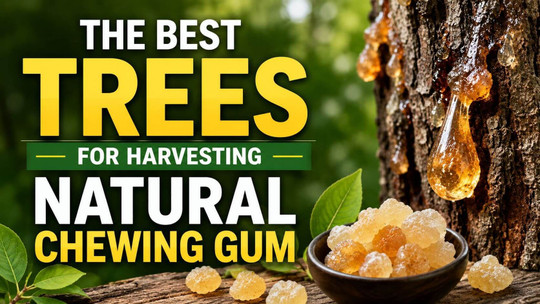
The Best Trees for Harvesting Natural Chewing Gum
For thousands of years, people have chewed natural tree resins long before modern chewing gum was invented. Indigenous cultures around the world harvested sap and resin from certain trees, using it for freshening breath, cleaning teeth, and satisfying the urge to chew. Even today, many of these natural gums remain popular among foragers and those interested in traditional outdoor skills.
If you're curious about harvesting your own natural chewing gum, here are some of the best trees to know.
1. Black Spruce (Picea mariana)
Black spruce produces a fragrant amber-colored resin that hardens into chewy nuggets. The resin has a pleasant pine flavor and has long been used as natural chewing gum throughout northern North America.
Why It's Popular
- Mild pine flavor
- Easy to collect from hardened sap
- Common across Canada and the northern United States
- Traditionally used by Indigenous peoples
Best Harvest Time: Spring through late summer.
2. White Spruce (Picea glauca)
White spruce resin is one of the best-known natural gums. Hardened resin can often be found where branches have broken or insects have damaged the bark.
Benefits
- Pleasant texture after warming in your mouth
- Fresh pine aroma
- Readily available in northern forests
3. Norway Spruce (Picea abies)
Originally from Europe but widely planted across North America, Norway spruce produces abundant resin that's easy to collect.
Features
- Large resin deposits
- Mild flavor
- Excellent for beginners
4. Balsam Fir (Abies balsamea)
Balsam fir is famous for its aromatic resin blisters found beneath the bark. While the liquid resin is often used medicinally, hardened resin can also be chewed.
Advantages
- Sweet evergreen aroma
- Softer texture than many spruce resins
- Pleasant natural flavor
5. Pine Trees (Pinus species)
Many pine species produce edible resin that can be chewed after it hardens. Flavor varies depending on the species.
Common choices include:
- Eastern White Pine
- Ponderosa Pine
- Lodgepole Pine
- Scots Pine
Note
Avoid collecting fresh sticky resin. Allow it to harden naturally before harvesting.
6. Chicle Tree (Manilkara zapota)
The chicle tree is perhaps the most famous chewing gum tree in history.
Native to Mexico and Central America, its milky latex became the original base for commercial chewing gum during the late 1800s.
Interesting Facts
- Source of the original "chicle" gum
- Still harvested sustainably in parts of Mexico
- Latex must be processed before chewing
7. Mastic Tree (Pistacia lentiscus)
The mastic tree grows primarily in the Mediterranean region, especially on the Greek island of Chios.
Its crystal-like resin tears have been prized for over 2,500 years.
Uses
- Natural chewing gum
- Fresh breath
- Cooking
- Herbal remedies
Mastic has a unique slightly sweet, herbal flavor.
8. Sweetgum (Liquidambar styraciflua)
Sweetgum trees produce a fragrant resin when the bark is injured.
Historically, Native Americans and early settlers chewed the hardened sap.
Benefits
- Pleasant aroma
- Easy to find throughout the southeastern United States
- Long history of traditional use
9. Cherry Trees (Prunus species)
Wild black cherry and other cherry species often exude amber-colored gum from damaged bark.
Although softer than spruce resin, it has been chewed for centuries.
Characteristics
- Mild sweet flavor
- Soft texture
- Best collected after drying
10. Douglas Fir (Pseudotsuga menziesii)
Douglas fir resin is another traditional forest chewing gum.
The resin forms naturally around wounds in the bark and develops into golden hardened drops.
Why People Like It
- Pleasant evergreen flavor
- Readily available in western North America
- Easy to harvest responsibly
How to Harvest Tree Resin Responsibly
The healthiest trees produce the best resin, so always harvest with care.
Follow these simple guidelines:
- Collect only hardened resin whenever possible.
- Never cut deep wounds into living trees.
- Harvest only small amounts from each tree.
- Leave plenty behind for the tree's natural healing process.
- Avoid taking resin from unhealthy or diseased trees.
Responsible harvesting ensures the tree remains healthy for years to come.
Is Natural Tree Resin Safe to Chew?
Many traditional chewing resins are considered safe when collected from correctly identified, non-toxic tree species. However:
- Always identify the tree with certainty.
- Avoid resin contaminated with dirt, mold, insects, or chemicals.
- Never chew resin from unknown species.
- Individuals with tree or pine allergies should avoid natural resins.
When in doubt, consult a reliable tree identification guide before harvesting.
Final Thoughts
Natural chewing gum offers a fascinating glimpse into how people enjoyed simple forest resources long before commercial gum existed. From fragrant spruce resin to historic chicle latex and Mediterranean mastic, many trees produce resins that have been valued for generations.
Whether you're interested in wilderness survival, traditional foraging, or simply experiencing a piece of natural history, harvesting tree resin can be a rewarding outdoor activity. Always collect responsibly, respect the trees, and enjoy these remarkable gifts from nature.