
Posted by TJ Hopkins on Jul 29th 2026
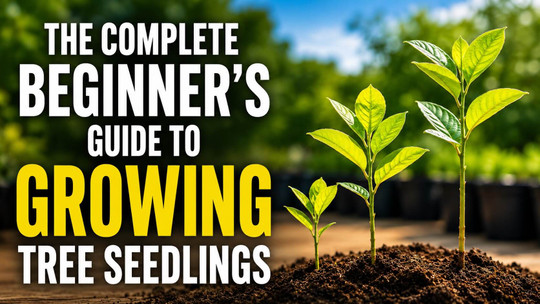
The Complete Beginner's Guide to Growing Tree Seedlings
Growing trees from seedlings is one of the most rewarding gardening projects you can take on. Whether you're starting seedlings you've grown from seed or purchased from a nursery, giving young trees the proper care during their first few years will help them develop into healthy, long-lived specimens. With a little patience and the right techniques, you can grow strong trees that provide shade, beauty, wildlife habitat, and even fruit for generations.
Why Grow Tree Seedlings?
Starting with young seedlings offers several advantages:
- Less expensive than buying mature trees.
- Develop stronger, deeper root systems.
- Easier to transport and plant.
- Greater selection of unique and rare species.
- Enjoy watching your tree grow from the very beginning.
Step 1: Choose the Right Tree Species
Select a tree suited to your local climate and growing conditions.
Consider:
- USDA Hardiness Zone
- Mature height and width
- Sunlight requirements
- Soil type
- Moisture levels
- Growth rate
- Available space
Popular beginner-friendly trees include:
- Red Maple
- River Birch
- White Oak
- Eastern Redbud
- Sugar Maple
- Serviceberry
- Dogwood
- American Elm (disease-resistant varieties)
Step 2: Pick the Best Planting Location
Most tree seedlings perform best when planted in an area with:
- 6–8 hours of sunlight
- Well-draining soil
- Plenty of room for mature growth
- Protection from strong winds
- Good air circulation
Avoid planting too close to:
- Houses
- Sidewalks
- Septic systems
- Utility lines
- Driveways
Step 3: Prepare the Soil
Healthy soil gives seedlings the best possible start.
Before planting:
- Remove grass and weeds.
- Loosen compacted soil.
- Mix in compost if needed.
- Check drainage.
- Avoid excessive fertilizer at planting.
Rich organic matter encourages healthy root development.
Step 4: Plant Correctly
Proper planting makes all the difference.
- Dig a hole twice as wide as the root system.
- Plant at the same depth the seedling was previously growing.
- Spread roots gently.
- Backfill with native soil.
- Water thoroughly.
- Apply mulch around the base.
Do not pile mulch against the trunk. Leave several inches of space to prevent rot.
Step 5: Water Consistently
Young trees need regular moisture during their first few years.
General watering guidelines:
- Water deeply rather than lightly.
- Keep soil evenly moist.
- Water once or twice weekly during dry weather.
- Increase watering during heat waves.
- Reduce watering after heavy rainfall.
Deep watering encourages roots to grow downward instead of staying near the soil surface.
Step 6: Apply Mulch
Mulch offers numerous benefits.
It helps:
- Retain moisture
- Suppress weeds
- Moderate soil temperature
- Reduce mower damage
- Improve soil over time
Use:
- Wood chips
- Bark mulch
- Pine straw
- Shredded leaves
Maintain a 2–3 inch layer while keeping mulch away from the trunk.
Step 7: Protect Young Seedlings
Tree seedlings are vulnerable to wildlife and environmental damage.
Protect them with:
- Tree guards
- Deer fencing
- Wire cages
- Stakes (only if necessary)
- Wind barriers
Regularly inspect for damage from rabbits, deer, rodents, or lawn equipment.
Step 8: Feed Sparingly
Many seedlings grow well without heavy fertilization.
If growth appears slow:
- Apply compost annually.
- Use a balanced slow-release fertilizer if needed.
- Follow label directions carefully.
- Avoid over-fertilizing.
Too much fertilizer can encourage weak growth.
Step 9: Control Weeds
Weeds compete with seedlings for:
- Water
- Nutrients
- Sunlight
Maintain a weed-free area around the base of each tree for the first few years.
Mulch greatly reduces weed growth.
Step 10: Watch for Pests and Diseases
Inspect seedlings every few weeks.
Look for:
- Yellow leaves
- Leaf spots
- Wilting
- Holes in foliage
- Bark damage
- Insect activity
Early detection allows problems to be corrected before they become serious.
Step 11: Prune Carefully
Young trees require very little pruning.
Only remove:
- Dead branches
- Broken limbs
- Diseased growth
- Crossing branches
Avoid heavy pruning during the first few years.
Step 12: Be Patient
Trees grow at different rates.
Fast-growing trees may gain:
- 2–4 feet per year
Slower species may only grow:
- 6–18 inches annually
Healthy roots develop before rapid top growth occurs, so don't be discouraged if your seedling seems slow at first.
Common Mistakes to Avoid
Many beginners accidentally slow their tree's growth by making simple mistakes.
Avoid:
- Planting too deeply
- Overwatering
- Underwatering
- Excess fertilizer
- Volcano mulching
- Planting in poor drainage
- Damaging roots during planting
- Ignoring pests
- Crowding trees too closely
Benefits of Growing Your Own Trees
Planting tree seedlings today provides lasting rewards.
Benefits include:
- Increased property value
- Shade and cooling
- Wildlife habitat
- Improved air quality
- Reduced soil erosion
- Greater privacy
- Seasonal beauty
- Carbon storage
- Personal satisfaction
Many trees will continue growing and thriving for decades—or even centuries—with proper care.
Final Thoughts
Growing tree seedlings doesn't require years of gardening experience—just a little planning, patience, and consistent care. By choosing the right species, planting correctly, watering deeply, and protecting young trees during their early years, you'll give them the best chance to become healthy, beautiful additions to your landscape. Every towering tree starts as a tiny seedling, and with proper attention, yours can become a lasting legacy for future generations.