
Posted by TJ Hopkins on Aug 22nd 2026
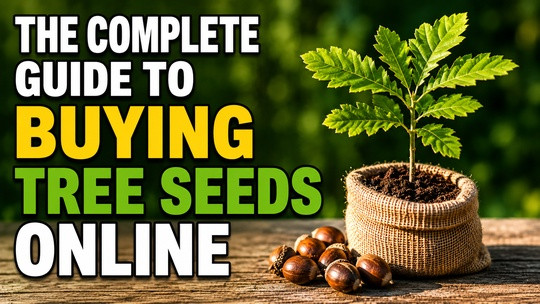
The Complete Guide to Buying Tree Seeds Online
Growing a tree from seed is one of the most rewarding ways to add trees to your landscape. Whether you're interested in native shade trees, flowering ornamentals, evergreens, fruit trees, bonsai specimens, or unusual exotic species, buying tree seeds online gives you access to varieties that may be difficult to find locally.
However, not all tree seeds—or seed sellers—are equal. Seed freshness, proper storage, species identification, pretreatment requirements, and growing conditions can all affect your chances of success.
This complete guide covers what to look for when buying tree seeds online, how to choose the right species, and what to do after your seeds arrive.
Why Buy Tree Seeds Online?
Local garden centers typically focus on established trees, shrubs, flowers, and vegetable plants. Their seed selections may contain very few tree species, if any.
Shopping online greatly expands your choices. Depending on the seller, you may find hundreds of tree species from around the world.
Buying online can give you access to:
- Native tree seeds
- Evergreen and conifer seeds
- Flowering tree seeds
- Shade tree seeds
- Fruit and nut tree seeds
- Bonsai tree seeds
- Palm tree seeds
- Tropical and subtropical species
- Rare and unusual trees
- Trees suitable for wildlife habitats
- Trees for windbreaks and privacy screens
Seeds are also small and easy to store, making it possible to purchase several species without needing space for multiple young trees.
Choose Trees for Your Climate
One of the most important considerations when buying tree seeds is whether the species will grow successfully in your climate.
Check the recommended USDA Plant Hardiness Zones for each species before purchasing.
For example, a cold-hardy maple may perform well in northern climates but struggle in extremely hot regions. A tropical tree may thrive in Florida or Hawaii but require indoor protection during winter in Vermont, Michigan, or Minnesota.
Your USDA zone isn't the only factor to consider. Also look at:
- Summer temperatures
- Winter temperatures
- Annual rainfall
- Humidity
- Sun exposure
- Soil type
- Soil drainage
- Wind exposure
- Available growing space
Choosing a tree suited to your location can save considerable time and frustration.
Consider the Tree's Mature Size
That tiny seed can eventually become an enormous tree.
Before purchasing seeds, research the mature height and spread of the species.
Some trees may remain relatively small, while others can eventually reach 50, 80, or even more than 100 feet tall.
Consider the tree's future location and its proximity to:
- Houses
- Garages
- Driveways
- Sidewalks
- Power lines
- Septic systems
- Underground utilities
- Other trees
Planning ahead helps prevent a beautiful young tree from becoming a landscaping problem decades later.
Buy From a Reputable Seed Seller
The seller you choose can have a major impact on your growing experience.
Look for online seed stores that provide clear information about the species they're selling. Listings should ideally include the botanical name in addition to the common name.
Botanical names are particularly important because several unrelated plants can share similar common names.
A quality tree seed listing may also provide information about:
- USDA hardiness zones
- Mature tree size
- Sun requirements
- Soil preferences
- Seed pretreatment
- Germination instructions
- Recommended planting depth
- Approximate germination time
Clear growing information is especially helpful for beginners.
Pay Attention to Seed Freshness
Freshness matters with tree seeds.
Some species remain viable for years when properly dried and stored, while others lose viability relatively quickly.
Seed longevity varies considerably between species.
When possible, purchase seeds from sellers that properly store their inventory and regularly rotate their stock.
Once your seeds arrive, plant them according to the recommended schedule or store them correctly until you're ready to begin germination.
Understand Tree Seed Germination
Tree seeds aren't always as simple to germinate as vegetable or flower seeds.
Many tree species have natural dormancy mechanisms that prevent seeds from germinating immediately after falling from the parent tree.
In nature, this protects seedlings from emerging at the wrong time of year.
Depending on the species, seeds may require a specific pretreatment before planting.
What Is Cold Stratification?
Cold stratification recreates the cool, moist conditions seeds experience outdoors during winter.
A common method involves placing seeds in slightly moist growing material inside a sealed container or plastic bag and refrigerating them for a specific period.
Depending on the species, cold stratification may last anywhere from several weeks to several months.
Species commonly grown using cold stratification can include certain:
- Maples
- Oaks
- Walnuts
- Hickories
- Dogwoods
- Magnolias
- Pines
- Spruces
Requirements vary by species, so always follow instructions for the particular tree you're growing.
What Is Warm Stratification?
Some seeds require a period of warm, moist conditions before cold stratification.
This process is known as warm stratification.
A seed might require several weeks or months of warm stratification followed by a cold period before it becomes ready to germinate.
These more complicated dormancy cycles imitate the seasonal changes seeds would experience outdoors.
What Is Scarification?
Seeds with particularly hard outer coats may benefit from scarification.
Scarification weakens or opens the seed coat so moisture can reach the interior of the seed.
Depending on the species, methods can include lightly sanding or nicking the seed coat or using another species-appropriate technique.
Never assume a seed requires scarification. Research the germination requirements before treating it.
Should You Soak Tree Seeds Before Planting?
Some tree seeds benefit from soaking in water before planting.
Soaking helps hydrate the seed and may soften certain seed coats.
A common soaking period is approximately 12 to 24 hours, although the correct treatment varies considerably between species.
Seeds that require stratification may still need their full stratification treatment after soaking.
Check Germination Requirements Before Buying
Research germination requirements before purchasing seeds rather than after they arrive.
This allows you to determine whether you're comfortable with the process.
A beginner may prefer species that can be planted with little or no pretreatment. More experienced growers may enjoy the challenge of seeds requiring several months of stratification.
Look for information about:
- Pretreatment requirements
- Stratification temperature
- Stratification duration
- Planting depth
- Germination temperature
- Light requirements
- Moisture requirements
- Expected germination time
Being prepared makes the process considerably easier.
Decide How Many Seeds You Need
Don't assume every seed you plant will become a mature tree.
Even with quality seeds, germination is rarely perfect. After germination, some seedlings may also fail due to disease, environmental stress, transplanting problems, or other factors.
If you ultimately want one tree, planting several seeds can improve your chances of producing a strong seedling.
For larger projects such as wildlife plantings, windbreaks, reforestation, or nursery production, buying larger seed quantities may be more economical.
Watch Out for Unrealistic Claims
Use caution when a listing makes extraordinary promises.
No seller can reasonably guarantee that every tree seed will germinate.
Germination depends on numerous factors after the seeds leave the seller, including temperature, moisture, pretreatment, planting depth, growing medium, and storage.
Be particularly cautious of listings that promise instant germination or unusually exotic-looking trees without providing reliable botanical information.
Read the Botanical Name
Always check the botanical name before purchasing unfamiliar tree seeds.
Pictures and common names alone aren't enough to positively identify many species.
For example, several plants may be marketed using similar common names even though they're completely different species.
The botanical name gives you a much more reliable way to research the tree's characteristics and growing requirements before purchasing.
Research Native Tree Seeds
Native trees are an excellent option for many landscapes.
Because they're naturally adapted to a region, native species can provide important benefits for local ecosystems.
Depending on the species and location, native trees can provide:
- Food for birds
- Nesting habitat
- Shelter for wildlife
- Nectar for pollinators
- Host plants for insects
- Nuts and seeds for wildlife
- Natural landscape diversity
Native doesn't automatically mean maintenance-free, however. You should still match the species to your property's soil, sunlight, moisture, and available space.
Buying Tree Seeds for Bonsai
You don't need special "bonsai seeds" to grow a bonsai tree.
Bonsai is a method of growing and training ordinary trees in miniature form.
Many species can be started from seed and eventually trained as bonsai, including:
- Japanese maple
- Juniper
- Pine
- Spruce
- Elm
- Crabapple
- Ginkgo
- Bald cypress
Starting bonsai from seed is a long-term project, but it allows you to control the tree's development from its earliest stages.
Check Whether the Species Is Restricted
Not every tree species can legally be grown or shipped everywhere.
Certain plants may be restricted because they're considered invasive, agricultural pests, or environmental threats in particular states or regions.
International purchases can involve additional regulations and inspection requirements.
Before purchasing an unfamiliar or exotic species, check applicable federal, state, and local regulations.
What to Do When Your Tree Seeds Arrive
Don't automatically plant your seeds the moment the package arrives.
First, identify each species and review its germination requirements.
If you're growing several varieties, label everything carefully. Many tree seeds and young seedlings can look surprisingly similar.
Record useful information such as:
- Species name
- Date received
- Date soaking started
- Stratification starting date
- Expected stratification completion date
- Planting date
Good recordkeeping becomes especially valuable when germination takes several months.
Store Seeds Properly Until Planting
If you aren't ready to plant immediately, determine the correct storage method for your particular species.
Many properly dried seeds store well under cool, dry conditions, while some species have very different requirements and should not be allowed to dry completely.
Never assume all tree seeds should be stored the same way.
Label stored seeds with both the species name and date so you don't lose track of them.
Use a Quality Growing Medium
When it's finally time to plant, use a clean, well-draining seed-starting medium appropriate for the species.
Heavy garden soil can compact inside containers and may hold excessive moisture.
Tree seedlings generally need a balance of moisture, oxygen, and drainage around their developing roots.
Containers should also have adequate drainage holes.
Don't Plant Seeds Too Deep
Planting depth can have a major effect on germination.
A common guideline for many seeds is to plant them approximately one to two times as deep as their thickness, but this isn't universal.
Very small seeds may require extremely shallow planting or surface sowing.
Follow species-specific instructions whenever they're available.
Keep the Growing Medium Moist, Not Waterlogged
Seeds need moisture to germinate, but excessive water can create problems.
Constantly saturated soil reduces oxygen around the seed and may encourage fungal growth and rot.
Keep the growing medium consistently moist according to the species' requirements without turning it into mud.
A humidity dome can help maintain moisture while seeds are germinating, particularly with small containers that dry quickly.
Be Patient
Tree seeds can teach you patience.
Some species germinate quickly under proper conditions. Others may require months of pretreatment before they're even planted.
Even after planting, individual seeds from the same batch may germinate at different times.
Don't immediately discard a container simply because nothing appears after a few weeks.
Research the normal germination period for the species before deciding the seeds have failed.
Transplant Seedlings Carefully
Once seedlings become established, they may eventually need larger containers or a permanent outdoor location.
Handle young trees carefully during transplanting.
Avoid unnecessary disturbance to developing roots, and don't leave roots exposed to sun or drying air longer than necessary.
After transplanting, keep the soil appropriately moist while the seedling establishes itself.
Common Mistakes When Buying Tree Seeds Online
Many problems can be avoided before you ever plant a seed.
Common mistakes include:
- Buying trees unsuitable for your climate
- Ignoring mature tree size
- Purchasing without checking botanical names
- Assuming every seed germinates the same way
- Skipping required stratification
- Buying only one seed and expecting guaranteed success
- Planting seeds too deeply
- Overwatering
- Allowing germinating seeds to dry out
- Giving up on slow-germinating species too early
- Failing to label different varieties
A little research before purchasing can prevent many of these issues.
Are Tree Seeds Worth Buying Online?
For gardeners who enjoy growing plants from the beginning, tree seeds can be an inexpensive and fascinating way to build a collection.
The biggest advantage of shopping online is selection. Instead of being limited to the handful of tree varieties available at a local nursery, you can explore native, ornamental, evergreen, flowering, bonsai, fruit, nut, and unusual tree species.
The tradeoff is time.
Growing a tree from seed requires more patience than purchasing a nursery-grown sapling. Some species may take months simply to complete their dormancy requirements.
For many growers, that's part of the enjoyment.
Final Thoughts
Buying tree seeds online opens the door to an enormous variety of trees that you might never encounter at a local garden center.
Success starts with choosing the right species, purchasing quality seeds, understanding dormancy requirements, and providing the proper growing conditions.
Before placing an order, research the tree's mature size, hardiness zone, germination requirements, and growing needs. When your seeds arrive, follow species-specific instructions instead of treating every variety the same.
Growing a tree from a tiny seed takes patience, but watching that seed eventually develop into a tree that could live for decades—or even generations—makes the process worthwhile.