
Posted by TJ Hopkins on Sep 22nd 2026
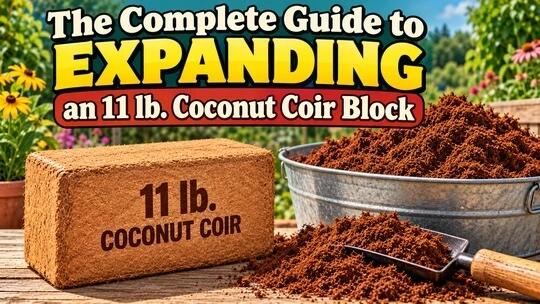
The Complete Guide to Expanding an 11 lb. Coconut Coir Block
An 11 lb. coconut coir block may look small and compact, but once water is added, it expands into a large amount of lightweight growing material. Coconut coir is popular with gardeners because it holds moisture, improves soil structure, and can be used in garden beds, containers, seed-starting mixes, and homemade potting soil.
Expanding a large coir block is easy, but using the correct container and adding water gradually will make the job much cleaner. This guide explains everything you need to know about preparing an 11 lb. coconut coir block for gardening.
What Is Coconut Coir?
Coconut coir is a natural material made from the fibrous husks surrounding coconuts. The fibers are cleaned, processed, dried, and compressed into dense blocks that are convenient to store and transport.
When water is added, the compressed fibers loosen and expand. The finished coir has a soft, fluffy texture similar to peat moss, but it is produced from a renewable byproduct of the coconut industry.
Coconut coir provides several gardening benefits:
- Holds moisture while allowing excess water to drain
- Helps loosen heavy or compacted soil
- Improves airflow around plant roots
- Resists compaction
- Can be used in containers, raised beds, and gardens
- Stores easily before it is expanded
- Works well as an ingredient in homemade growing mixes
How Much Does an 11 lb. Coir Block Expand?
The exact amount will depend on the type of coir and how tightly it was compressed. Most 11 lb. blocks expand into approximately 15 to 18 gallons of loose material.
Some blocks may produce slightly more or less. Fine coir pith absorbs more water than coarse material containing longer fibers or coconut husk chips.
Always use a container that is considerably larger than the dry block. A large plastic storage tote, wheelbarrow, mixing tub, or heavy-duty garden cart usually works well.
What You Will Need
Gather the following supplies before getting started:
- One 11 lb. coconut coir block
- A large container, wheelbarrow, or mixing tub
- Approximately 7 to 9 gallons of water
- A bucket or watering can
- A hand cultivator, garden fork, or small shovel
- Gardening gloves
- A clean work area with room for the coir to expand
Warm water usually penetrates the block faster than cold water. The water does not need to be hot. Lukewarm water is sufficient.
Step 1: Place the Block in a Large Container
Place the dry coconut coir block inside your mixing container. Position the largest flat side on the bottom so that the block remains stable while absorbing water.
Do not use a container that only fits the dry block. The coir will increase greatly in volume as it expands and may spill over the sides of a small container.
If you do not have a container large enough for the entire block, you can break or cut it into smaller sections while it is dry. A sturdy hand saw or serrated blade may help, but use caution because compressed coir blocks can be extremely dense.
Step 2: Add Water Gradually
Begin by slowly pouring approximately 4 to 5 gallons of water over the top and sides of the block. Try to distribute the water evenly instead of pouring all of it into one spot.
Allow the block to sit for approximately 15 to 20 minutes. The outer layers will begin to swell, soften, and separate.
Avoid adding all the water at once. Different coir blocks absorb moisture at different rates. Adding water gradually gives you better control over the final texture and reduces the chance of producing a soggy mixture.
Step 3: Break Apart the Softened Coir
Once the outside of the block has softened, use your hands, a garden fork, or a small shovel to pull the loose material away from the firm center.
Turn the block over and expose any dry sections. Breaking apart the wet outer layers allows additional water to reach the compressed material inside.
Wear gloves during this step. The coir itself is generally easy to handle, but gloves help keep your hands clean and protect them when working with garden tools.
Step 4: Add More Water
Add another 2 gallons of water across the remaining dry sections. Allow the coir to rest for another 10 to 15 minutes.
Continue breaking the material apart as it softens. If firm or dry clumps remain, add water in small amounts until the entire block has expanded.
An 11 lb. block will commonly require 7 to 9 gallons of water in total. However, the amount can vary depending on the coir’s texture, dryness, and intended use.
Step 5: Fluff and Mix the Coir
When the block has completely softened, use your hands or a garden fork to fluff the material. Break apart any remaining clumps and mix the wetter portions with the drier portions.
Properly hydrated coconut coir should feel moist and springy. It should hold together slightly when squeezed but should not release a stream of water.
If the material still feels dry or contains hard pieces, add a little more water and wait several minutes. If it is too wet, spread it out and allow the excess moisture to evaporate before using it.
Should Coconut Coir Be Rinsed?
Some coconut coir contains naturally occurring salts left behind during processing. High-quality horticultural coir is often washed and may also be buffered before it is compressed.
Check the product information to determine whether your coir has been washed and buffered. If you are uncertain about its quality or plan to use it for sensitive seedlings, rinsing the expanded coir with clean water can help remove excess salts.
Place the expanded coir in a container with drainage holes and run clean water through it. Allow the material to drain thoroughly before mixing it with other growing ingredients.
What Does Buffered Coconut Coir Mean?
Coconut coir can naturally hold onto certain minerals. Buffered coir has been treated, commonly with calcium and magnesium, to improve its performance as a growing medium.
Buffered coir is especially helpful for seedlings, container plants, hydroponic growing, and plants that will spend a long time in a coir-based mixture.
If the package does not say that the coir is buffered, calcium and magnesium may need to be supplied through fertilizer or other soil amendments. The requirements will depend on the plants being grown and the other ingredients in the mixture.
Can Plants Grow in Coconut Coir Alone?
Coconut coir provides excellent moisture retention and root aeration, but it contains very little plant nutrition. Plants growing in pure coir will require a complete fertilizer.
For most home gardens and containers, coir works best as one ingredient in a balanced growing mixture. It can be combined with compost for nutrients and perlite, pumice, or bark for additional drainage.
Coconut Coir Potting Mix Recipe
A simple general-purpose container mix can be made with:
- 40 percent expanded coconut coir
- 30 percent finished compost
- 20 percent perlite or pumice
- 10 percent aged pine bark or another coarse amendment
Mix all the ingredients thoroughly. This combination provides moisture retention, drainage, root aeration, and organic matter.
Adjust the recipe for the plants you are growing. Succulents and other drought-tolerant plants need more drainage material, while moisture-loving plants can tolerate a larger percentage of coir.
Seed-Starting Mix Recipe
Coconut coir can also be used to create a lightweight seed-starting medium. Try combining:
- Two parts finely textured coconut coir
- One part perlite
- One part vermiculite
Moisten the mixture before filling seed trays. It should be evenly damp without becoming muddy or waterlogged.
Because this mixture contains little or no nutrition, seedlings will eventually need a diluted fertilizer after they develop their first sets of true leaves.
Using Coconut Coir in Raised Beds
Expanded coir can improve raised-bed soil that dries quickly or has become compacted. Spread the coir across the bed and mix it thoroughly into the upper several inches of soil.
Coir should not replace all the soil in a raised bed. Combine it with existing soil, compost, aged manure, and other appropriate amendments.
For most raised beds, coconut coir can make up approximately 10 to 30 percent of the final mixture. Sandy soil may benefit from a larger amount because coir helps retain moisture. Heavy soil usually benefits from coir combined with compost and coarse drainage materials.
Using Coconut Coir in Garden Soil
Coir can be worked into dry, sandy, or compacted garden soil. It helps sandy soil hold water and helps dense soil maintain open spaces for air and root movement.
Spread a layer across the planting area and mix it into the top 6 to 8 inches of soil. Add compost at the same time to provide nutrients and beneficial organic matter.
Coconut coir is not a fertilizer. Although it improves the physical structure of the soil, plants will still need nutrients from compost, fertilizer, or naturally fertile soil.
Using Coconut Coir as Mulch
Coir can be spread around plants as a moisture-retaining mulch. Apply a layer approximately 1 to 2 inches deep while keeping it slightly away from plant stems and tree trunks.
A coir mulch can help reduce evaporation and protect the soil surface from drying. Because it is lightweight, avoid applying loose coir on a windy day. Moistening it after application will help keep it in place.
How to Store Leftover Coconut Coir
Unused dry blocks should be stored in a cool, dry location. Keep them away from standing water because they will begin expanding when exposed to moisture.
Expanded coir can be stored in a covered container with some ventilation. Avoid sealing soaking-wet coir inside an airtight container for a long period because unpleasant odors or mold may develop.
If you need to store expanded coir, allow it to become slightly damp rather than saturated. Inspect it before use and fluff it again if it has settled.
Common Mistakes to Avoid
Using a Container That Is Too Small
An 11 lb. coir block expands considerably. Start with a large container to prevent spills and make mixing easier.
Adding Too Much Water at Once
Pouring in all the water immediately can leave you with a soggy mixture. Add water in stages and give the block time to absorb it.
Forgetting to Break Apart the Center
The outside may appear fully expanded while the center remains hard and dry. Turn the block and pull away the softened layers until no compressed sections remain.
Treating Coir Like Fertilizer
Coir improves moisture management and soil texture, but it does not provide enough nutrition for healthy long-term plant growth. Add compost or an appropriate fertilizer.
Using Salty Coir for Sensitive Plants
Poorly processed coir may contain excess salts. Use washed horticultural coir or rinse the material before planting sensitive seeds and seedlings.
Allowing the Mixture to Remain Waterlogged
Coir retains a large amount of moisture. Combine it with drainage ingredients when using it in containers, especially for plants that dislike constantly wet roots.
Is Coconut Coir Reusable?
Coconut coir can often be reused if it previously held healthy plants. Remove old roots and plant debris, then rinse and allow the material to drain.
Used coir may have lost some of its structure and should be refreshed with compost, perlite, bark, or new coir. Do not reuse material from containers affected by serious diseases or damaging soil pests.
Final Thoughts
Expanding an 11 lb. coconut coir block is a simple process when you have a large container and add water gradually. Start with approximately 4 to 5 gallons, let the block soften, break apart the expanded layers, and continue adding water in smaller amounts until the entire block is loose and fluffy.
Once expanded, coconut coir can be used in potting soil, seed-starting mixes, raised beds, garden soil, and mulch applications. Remember that coir improves moisture retention and soil structure but supplies very few nutrients on its own.
With proper preparation and a balanced mixture of compost, drainage material, and fertilizer when needed, one compact coir block can become a useful growing amendment for many gardening projects.