
Posted by TJ Hopkins on Aug 16th 2026
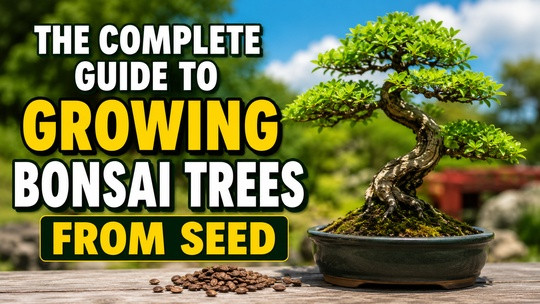
The Complete Guide to Growing Bonsai Trees from Seed
Growing a bonsai tree from seed is one of the most rewarding ways to experience the art of bonsai. Instead of purchasing an established tree and shaping it, starting with seeds allows you to watch your bonsai develop from its earliest stage and influence its growth from the beginning.
While growing bonsai from seed requires patience, the process itself isn't especially complicated. With viable seeds, the correct germination treatment, and consistent care, you can grow many beautiful tree species suitable for bonsai.
This complete guide covers how to choose bonsai seeds, prepare them for planting, germinate them successfully, care for young seedlings, and eventually begin shaping them into miniature trees.
What Are Bonsai Seeds?
One of the most important things for beginners to understand is that there is technically no such thing as a special "bonsai seed."
Bonsai trees are ordinary tree and shrub species that are kept small through cultivation techniques such as pruning, root trimming, wiring, and growing them in shallow containers.
A Japanese maple grown in the ground can eventually become a large tree. That same Japanese maple can also be trained as a bonsai when properly maintained.
This means you can start bonsai trees using seeds from many different tree species.
Best Tree Seeds for Growing Bonsai
Some trees are particularly well suited to bonsai because they naturally develop attractive trunks, small leaves or needles, interesting bark, or dense branching.
Popular choices include:
- Japanese Maple
- Trident Maple
- Japanese Black Pine
- Japanese Red Pine
- Scots Pine
- Chinese Elm
- Zelkova
- Juniper
- Bald Cypress
- Dawn Redwood
- European Beech
- Hornbeam
- Crabapple
- Wisteria
- Jacaranda
- Black Locust
Beginners should research the mature characteristics and growing requirements of a species before purchasing seeds. A tree that naturally grows well in your climate will generally be easier to maintain.
How Long Does It Take to Grow a Bonsai Tree from Seed?
Patience is essential when starting bonsai from seed.
Depending on the species, seeds may germinate within a few weeks or require several months of preparation before sprouting. Some tree seeds have natural dormancy mechanisms that prevent them from germinating immediately.
Once germinated, seedlings generally need several years of growth before substantial bonsai training begins.
You may be able to start light pruning and shaping while the tree is young, but developing the thick trunk, mature branching, and aged appearance associated with beautiful bonsai specimens can take many years.
For bonsai enthusiasts, that long-term development is part of the appeal.
When Should You Plant Bonsai Seeds?
The best planting time depends on the tree species.
Many temperate tree seeds naturally fall from trees during autumn, remain exposed to cold winter conditions, and germinate when temperatures rise in spring.
You can imitate this natural process by planting seeds outdoors in fall or by providing controlled cold stratification before spring planting.
Tropical and subtropical species generally do not require a winter dormancy period and may be started indoors when adequate warmth and light are available.
Always research the requirements of the particular species you're growing rather than treating every bonsai seed the same way.
Step 1: Start with Fresh, Viable Seeds
Good germination begins with good seeds.
Purchase seeds from a reputable supplier and check whether the species requires any special treatment before planting.
If you've collected seeds yourself, make sure they are mature and properly cleaned before storage or planting.
Because tree seed germination is rarely 100%, planting several seeds is usually better than relying on a single seed.
This also gives you multiple seedlings from which you can eventually select the healthiest and most attractive specimens for bonsai training.
Step 2: Determine Whether the Seeds Need Pretreatment
Tree seeds have different dormancy requirements. Some can be planted immediately, while others require special treatment before they will germinate.
Two common treatments are scarification and stratification.
Scarification
Seeds with particularly hard outer coats may benefit from scarification.
Scarification weakens the seed coat so moisture can penetrate more easily.
Depending on the species, this may involve lightly scratching or sanding the seed coat or soaking the seeds in water.
The seed coat should only be weakened—not deeply damaged.
Cold Stratification
Many trees native to temperate climates require cold stratification.
This treatment recreates the cool, moist conditions seeds would naturally experience during winter.
A common method is to:
- Moisten a small amount of peat moss, sand, or another suitable medium.
- Mix the seeds into the moist medium.
- Place everything inside a sealed or partially ventilated plastic bag or container.
- Label it with the species and date.
- Place it in the refrigerator for the recommended period.
Depending on the species, cold stratification may last approximately 30 to 120 days or longer.
The medium should remain slightly moist rather than soaking wet.
Check the seeds occasionally for mold and early germination.
Step 3: Prepare the Growing Medium
Young bonsai seedlings need a growing medium that retains enough moisture for germination while still allowing excess water to drain.
A seed-starting mixture can work well during the germination stage.
Whatever medium you choose, avoid heavily compacted soil that stays waterlogged. Excess moisture combined with poor airflow can contribute to fungal problems and seedling loss.
Make sure your containers have drainage holes.
Step 4: Plant the Seeds
Fill your container with moist growing medium and gently level the surface.
Plant the seeds according to their size and species requirements.
As a general guideline, larger seeds are usually covered with a thin layer of growing medium, while extremely small seeds may need to remain close to the surface.
Avoid planting seeds excessively deep. A deeply buried seed may use all of its stored energy before the emerging shoot reaches the surface.
After planting, gently water the container so the growing medium is evenly moist.
Step 5: Maintain Proper Moisture
Consistent moisture is critical during germination.
The growing medium should remain moist but not saturated.
Allowing seeds to completely dry out during germination can kill developing embryos. At the same time, constantly waterlogged conditions can encourage mold, fungal diseases, and seed rot.
A spray bottle or gentle watering method can help prevent small seeds from being disturbed.
A humidity dome may also help maintain moisture during germination. Provide some ventilation and remove the dome gradually after seedlings emerge.
Step 6: Provide the Correct Temperature
Temperature requirements vary considerably between tree species.
Temperate trees often germinate when temperatures begin warming after their required cold period. Tropical species generally prefer consistently warm conditions.
Research the ideal germination temperature for your particular species.
Placing seeds somewhere excessively hot in an attempt to speed germination can actually reduce success.
Step 7: Provide Plenty of Light After Germination
Once seedlings emerge, adequate light becomes extremely important.
Insufficient light often causes seedlings to become tall, thin, pale, and weak as they stretch toward a light source.
A bright window may provide enough light for certain seedlings, although supplemental grow lights can provide more consistent conditions indoors.
When transitioning indoor-grown seedlings outside, introduce them gradually to stronger sunlight. Moving tender seedlings directly into intense sunlight can scorch their foliage.
Caring for Young Bonsai Seedlings
After germination, your primary goal should be producing healthy young trees.
Don't rush to make seedlings look like miniature bonsai immediately.
Allow them to establish strong roots and vigorous growth first.
Keep seedlings properly watered and provide appropriate light, temperature, and airflow for the species.
Watch for common problems such as:
- Damping-off disease
- Mold
- Fungus gnats
- Aphids
- Spider mites
- Yellowing leaves
- Excessive stretching
- Root rot
- Sunburn
Healthy growth during the first few years provides a much better foundation for future bonsai development.
When Should Bonsai Seedlings Be Transplanted?
Seedlings can eventually be moved into individual containers once they have developed sufficiently.
Avoid transplanting extremely young seedlings unnecessarily.
When transplanting, handle the roots carefully and minimize damage. Newly transplanted seedlings may need temporary protection from intense sunlight and drying winds while they become established.
Container size should be appropriate for the stage of development.
Interestingly, young trees intended for bonsai are not always immediately placed into traditional shallow bonsai pots.
Don't Put Your Seedling in a Bonsai Pot Too Soon
One of the most common beginner mistakes is placing a tiny seedling into a shallow bonsai container immediately.
Shallow pots restrict root growth, which can dramatically slow trunk development.
During the early development stage, many bonsai growers use larger training containers or allow suitable trees to grow in the ground.
More vigorous growth generally produces thicker trunks faster.
Once the tree has developed the trunk size and basic structure you want, it can gradually transition into a smaller bonsai container.
Developing a Thick Bonsai Trunk
A convincing bonsai should look like an old tree in miniature rather than simply a young tree growing in a small pot.
Trunk thickness plays an important role in creating this appearance.
Allowing the young tree periods of unrestricted growth can help increase trunk diameter.
Some growers also allow temporary "sacrifice branches" to grow vigorously. These branches contribute to trunk thickening and are eventually removed when they have served their purpose.
Developing a substantial trunk can take several years, so avoid constantly pruning every new shoot from a young tree.
When Can You Start Pruning?
Light corrective pruning may begin while a tree is relatively young, but aggressive styling should wait until the tree is strong enough.
Early pruning can be used to remove unwanted growth and encourage useful branching.
However, repeatedly cutting a very young seedling can slow its development.
During the earliest stages, concentrate primarily on health, root development, trunk growth, and establishing the tree's basic structure.
When Can You Start Wiring a Bonsai?
Wiring allows you to position branches and introduce movement into trunks and stems.
Young growth is often flexible, making it easier to shape than older woody branches.
However, young stems can also be delicate.
Wire should never be wrapped so tightly that it immediately damages the bark. Because young trees can grow rapidly, inspect wired branches frequently.
Remove the wire before it begins cutting into the expanding bark.
Choosing a Bonsai Style
As your seedling matures, you can begin deciding what bonsai style best complements its natural growth.
Common bonsai styles include:
- Formal Upright
- Informal Upright
- Slanting
- Cascade
- Semi-Cascade
- Windswept
- Literati
- Broom
- Multi-Trunk
- Forest
Rather than forcing every tree into a predetermined shape, study the trunk and branches and consider which style works naturally with the tree.
Watering Bonsai Trees
Proper watering becomes increasingly important when trees eventually move into smaller bonsai containers.
Never water strictly according to a fixed calendar.
Instead, check the growing medium regularly and water according to the tree's needs.
When watering, thoroughly moisten the root zone and allow excess water to drain freely.
How frequently a bonsai needs water depends on factors including:
- Tree species
- Container size
- Soil mixture
- Temperature
- Humidity
- Wind
- Sun exposure
- Season
Small bonsai containers can dry considerably faster than ordinary garden pots.
Fertilizing Young Bonsai Trees
Trees require nutrients to produce roots, foliage, branches, and trunks.
Young trees being developed for bonsai generally benefit from appropriate fertilization during active growth.
The type and frequency of fertilizer depend on the species, growing medium, climate, and development stage.
Avoid assuming that more fertilizer means faster growth. Excessive fertilizer can damage roots and weaken plants.
Follow fertilizer directions carefully and adjust your feeding schedule according to the needs of the tree.
Should Bonsai Trees Be Grown Indoors?
Most traditional bonsai tree species should not be treated as permanent houseplants.
Temperate trees such as maples, pines, junipers, and many deciduous species naturally experience seasonal changes and winter dormancy.
These trees generally perform best outdoors when grown in suitable climates.
Tropical and subtropical species are better choices for people wanting bonsai that can spend substantial amounts of time indoors.
Even indoor bonsai require adequate light and appropriate environmental conditions.
Winter Care for Young Bonsai Trees
Cold-hardy trees require winter dormancy, but trees growing in containers can be more vulnerable to severe cold than established trees growing in the ground.
The roots are particularly susceptible because a container provides less insulation than surrounding soil.
Winter protection varies according to species and climate.
Possible strategies include placing containers in protected outdoor locations, insulating the pots, using an unheated cold frame, or temporarily burying containers in a protected area.
The objective isn't necessarily to keep cold-hardy trees warm. It is to protect vulnerable roots from damaging temperature extremes while still allowing normal dormancy.
Common Mistakes When Growing Bonsai from Seed
Avoiding a few common problems can significantly improve your chances of success.
Skipping Required Stratification
Many temperate tree seeds will germinate poorly if their natural dormancy requirements aren't satisfied.
Planting Seeds Too Deep
Seeds planted excessively deep may fail to reach the surface.
Overwatering
Constantly saturated soil can encourage fungal diseases and seed rot.
Letting Seeds Dry Out
Seeds undergoing germination generally need consistent moisture.
Insufficient Light
Weak lighting can produce stretched, unhealthy seedlings.
Training Too Early
Trying to create a finished bonsai from a tiny seedling can slow development and weaken the tree.
Using a Small Bonsai Pot Too Soon
Restricting roots during the early development stage can make trunk thickening much slower.
Growing the Wrong Species Indoors
Outdoor temperate trees generally need natural seasonal conditions and dormancy.
How Many Bonsai Seeds Should You Plant?
Planting multiple seeds is usually a good idea.
Not every seed will germinate, and not every seedling will develop equally well.
Starting several seedlings allows you to select trees based on characteristics such as:
- Strong growth
- Healthy roots
- Interesting trunk movement
- Good branch placement
- Small leaves or needles
- Attractive bark
- Natural taper
Extra seedlings can also be trained into different bonsai styles or used to create a forest-style planting.
Can You Collect Your Own Seeds for Bonsai?
Yes. Seeds collected from local trees can be excellent candidates for bonsai.
Make sure you can correctly identify the parent tree and collect mature seeds at the appropriate time.
Locally adapted trees have an additional advantage: they are already suited to your regional climate.
Always obtain permission before collecting seeds from private property, botanical gardens, parks, or protected areas where collecting may be prohibited.
Is Growing Bonsai from Seed Worth It?
For anyone who enjoys growing plants from the very beginning, absolutely.
Starting from seed takes considerably longer than purchasing a nursery tree or established bonsai, but it gives you control over the tree's development from its earliest years.
You can influence trunk movement, branch placement, root development, and overall structure while watching an ordinary seedling gradually become something unique.
It also makes bonsai surprisingly accessible. You don't necessarily need an expensive mature tree to begin learning the craft.
You need viable seeds, appropriate growing conditions, basic supplies, knowledge of your chosen species—and plenty of patience.
Final Thoughts
Growing bonsai trees from seed is a long-term project rather than a quick gardening experiment.
Begin by selecting a tree species appropriate for your climate and learning its specific germination requirements. Provide any necessary scarification or stratification, plant the seeds correctly, maintain consistent moisture, and give emerging seedlings adequate light.
During the first few years, concentrate on developing healthy roots, strong growth, and a substantial trunk rather than trying to produce a finished bonsai immediately.
As your trees mature, pruning, wiring, root work, and careful container selection can gradually transform them into beautiful miniature landscapes.
The process may take years, but that's exactly what makes growing bonsai from seed so rewarding. You aren't simply maintaining a finished tree—you get to watch and guide its development from seed to bonsai.